Is Burger King Healthier Than Mcdonald’S
You’re not signing up for health food. You’re looking for the better fast food fit for your goals.
This short guide compares core items—burgers, chicken sandwiches, nuggets, fries, and desserts. You’ll get clear takeaways on what to order, what to skip, and small swaps that help without ruining the comfort-food vibe.
We lean on published nutrition facts and a June 2024 unhealthiness score that tallied calories, sugar, saturated fat, and sodium. That method keeps the comparison fair across menus.
“Healthier” can mean lower calories, less sodium, or extra protein. You’ll see trade-offs so you can pick what matters to you.
Quick price note: costs change by ZIP code. If we add live menu tables, they should pull local prices so you don’t have to guess.
What “healthier” means for fast food in the U.S.
A smarter fast-food order focuses on nutrients that hit your heart and blood vessels first.
Registered dietitian Lauren Manaker flags sodium and saturated fat as the big red lights when choosing a sandwich. These two can skyrocket a meal’s harm faster than calories alone.
Why sodium and saturated fat matter more than you think
Sodium is easy to overdo. A sandwich, fries, and sauce can push you past the daily target. Too much sodium raises the risk of high blood pressure, stroke, and heart disease. If you watch blood pressure, sodium matters most.
Daily limits to keep in mind
Use simple guardrails you can remember:
- FDA: up to 2,300 mg sodium per day.
- AHA ideal: 1,500 mg sodium per day for most people.
- Saturated fat: aim for under 10% of calories (about 22 g on a 2,000-calorie diet).
The “least unhealthy” reality of fast food menus
Most choices are about picking the least unhealthy item and making small swaps. Skip heavy sauces, choose smaller portions, and add veggie toppings to lower sodium and fat.
| Guardrail | Number | Why it matters | Quick swap |
|---|---|---|---|
| Sodium (FDA) | 2,300 mg per day | Limits stroke and high blood pressure risk | Choose small fries or no sauce |
| Sodium (AHA ideal) | 1,500 mg per day | Better for people with high blood pressure | Order plain sandwich, extra lettuce |
| Saturated fat | Under 10% of calories (~22 g) | Helps control cholesterol | Skip cheese and bacon |
For a quick read on healthier fast-food picks, see this ranked guide to healthier menu items.
How this Burger King vs. McDonald’s comparison is measured
To make a fair call, we matched like-for-like items across each chain and used the chains’ published nutrition menus. That keeps the comparison practical and repeatable for you.
Nutrients we tracked
Our June 2024 analysis pulled Calories (kJ), Sugar (g), Saturated Fat (g), and Sodium (mg) from each menu. A Department of Health nutrient profiling method assigned points for energy, saturated fat, sugars, and sodium.
What the unhealthiness score means
The score sums points so higher totals flag more unhealthy items. It’s a quick comparison tool, not a medical diagnosis.
- We compared equivalent items: cheeseburgers, fries, nuggets, and similar menu sizes.
- The tracked nutrients capture energy load, sugar spikes, saturated fat, and sodium risk — but not processing level or ingredient quality.
- Look at content per item. A small and a large sandwich differ greatly by amount and calories.
- Consider the rest of your day: a salty lunch calls for a lighter dinner on sodium.
| Nutrient | Unit | Why it matters |
|---|---|---|
| Calories | kJ / kcal | Energy that affects weight and fullness |
| Sugar | g | Drives added sugars and empty calories |
| Saturated Fat / Sodium | g / mg | Linked to heart risk and blood pressure |
Is Burger King Healthier Than Mcdonald’S for classic burgers?
When you compare classic cheeseburgers, the differences are smaller than you might guess.
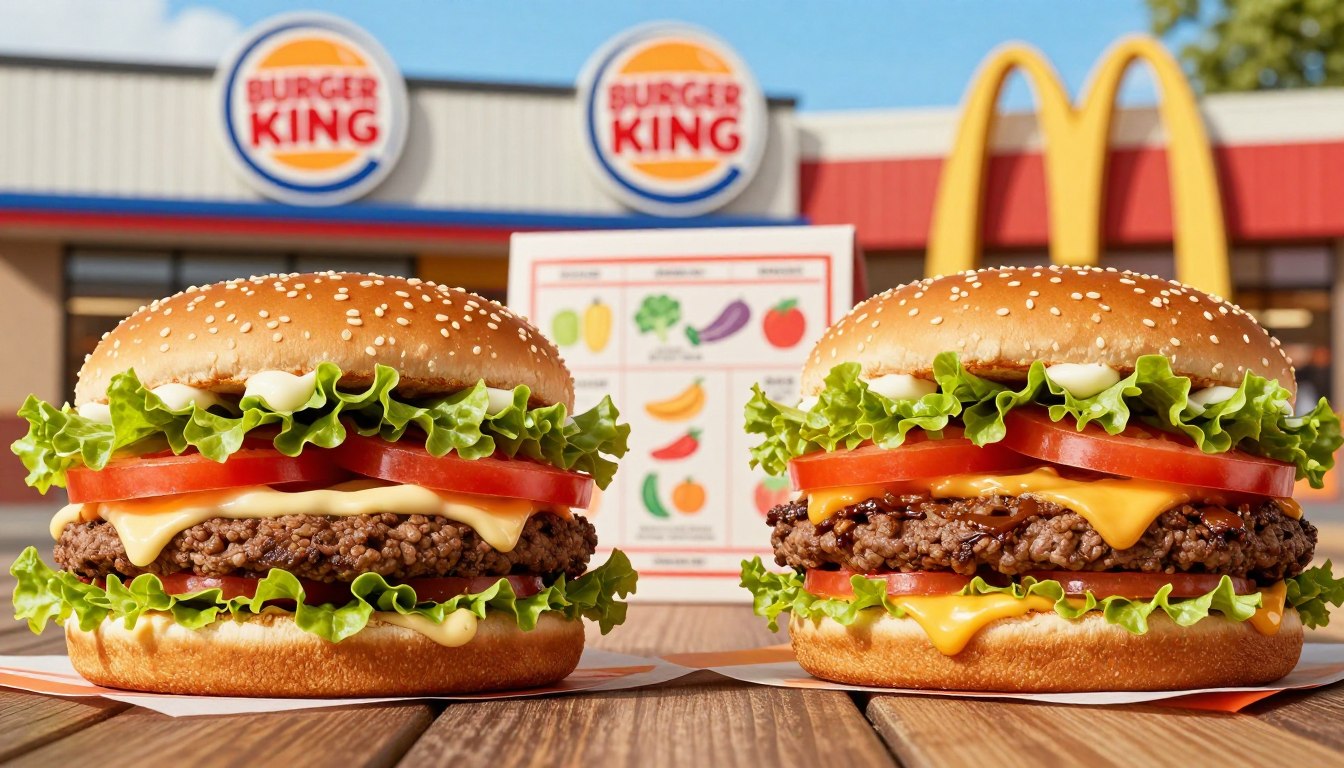
Our June 2024 scores put both chains’ cheeseburgers at 18 points. That tie means your choice often comes down to protein, calories, and sodium trade-offs rather than a clear winner.
Cheeseburger snapshot
Published numbers show slight swings. One source lists a basic hamburger at 220 calories, 380 mg sodium, and 11 g protein. Another lists a classic burger at 250 calories, 510 mg sodium, and 12 g protein.
Protein versus calories and sodium
A bit more protein can come with higher calories or higher sodium. That trade-off matters if you watch sodium or aim for more protein in a meal.
How toppings shift nutrition
Mayo, bacon, and extra cheese spike saturated fat and calories fast. Small swaps keep flavor without the big hit: “no mayo,” “easy cheese,” or “skip bacon.”
| Menu item | Calories | Sodium |
|---|---|---|
| Basic hamburger (lower sodium listing) | 220 kcal | 380 mg |
| Classic cheeseburger (higher sodium listing) | 250 kcal | 510 mg |
| Best swap | Cut 50–150 kcal | Save 100–250 mg (no mayo/skip bacon) |
Whopper Jr. vs. McDonald’s classic burger: a quick nutrition showdown
A quick head-to-head shows clear trade-offs between sodium and calories for two classic burgers.
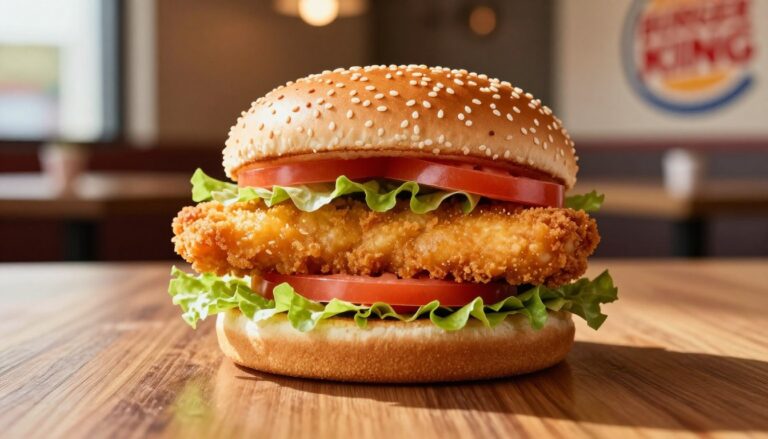
Delish lists Burger King’s Whopper Jr. at 310 calories, 5 g saturated fat, 390 mg sodium, and 15.2 g protein. That listing calls it the lowest sodium pick on the list.
McDonald’s classic burger is 250 calories, 3.5 g saturated fat, 510 mg sodium, and 12 g protein. It is the lower-calorie, lighter base.
What this means for you
- If sodium is your top concern, the Whopper Jr. is the standout lowest sodium option among these items.
- If you want fewer calories, choose the classic burger as the low calorie pick.
- Either choice loses its edge when you add fries, a sugary drink, or heavy sauce.
- Easy swaps: skip mayo-based sauces, add extra lettuce and tomato, and keep cheese to one slice.
| Item | Calories | Saturated Fat | Sodium |
|---|---|---|---|
| Whopper Jr. (Burger King) | 310 kcal | 5 g | 390 mg |
| Classic burger (McDonald’s) | 250 kcal | 3.5 g | 510 mg |
| Practical pick | Choose lower calories or lower sodium | Keep one slice of cheese | Skip mayo/sauce |
For the final page build, add a “Quick Nutrition Showdown” box and a live price table for these menu items by location.
Chicken sandwiches: Burger King vs. McDonald’s on sodium and calories
Chicken sandwiches often look lighter, but the numbers tell a different story. In our June 2024 analysis the McChicken scored 14 points, the lowest‑risk chicken sandwich in the set. The comparable chicken sandwich on the other menu scored 31 points.
The big reason is sodium. Breaded patties, creamy sauces, and large portions push sodium and calories up fast. Even a modest sandwich can contribute a large share of the FDA daily sodium max (2,300 mg). High sodium intake ties to high blood pressure, so that content matters more than calorie count alone.
Ordering guardrails
- Go easy on creamy sauces or ask for them on the side.
- Skip double patties and extra cheese to lower calories, carbs, and fat.
- Add lettuce and tomato and choose water to keep the meal from snowballing.
Quick takeaway
The dataset’s main lesson: a simple McChicken-style sandwich can be the least unhealthy option, but it is not low in sodium. For the final page, add a “Chicken Sandwiches” comparison table (score, sodium, calories) and note that regional recipes can change menu items’ nutrition.
Chicken nuggets and dipping sauces: which chain is the better option?
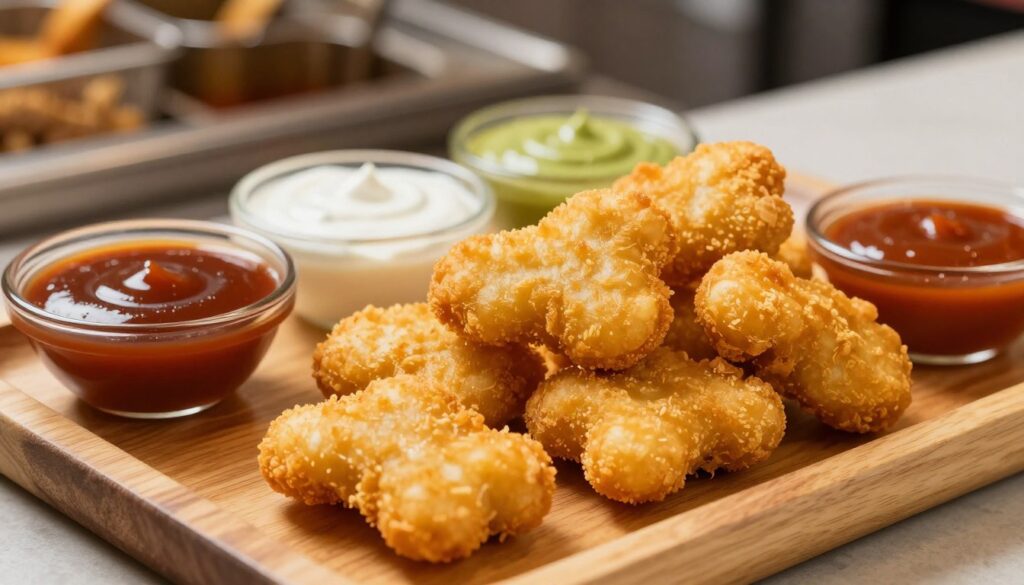
A small box of chicken nuggets can hide a big sodium and sugar load if you pile on dips and fries. Our June 2024 analysis found McDonald’s Chicken McNuggets scored lowest in the set (18 points). KFC was close behind at 19 points.
Why McNuggets topped the list
The McNuggets option landed best by balancing calories, saturated fat, and sodium across a standard portion. That made it the least unhealthy nuggets choice among comparable items in the study.
How sauces and portions change the picture
Sauces can spike sodium and sugar fast. Ten pieces plus a sweet dip and fries become a high-sodium meal before you notice.
- Make the decision simple: pick McNuggets when you want the lower-score nuggets option.
- Portion pitfall: avoid ordering 10+ pieces alone. Share or choose a smaller count.
- Sauce strategy: pick one sauce, dip lightly, or skip if you already have a salty side.
- Family idea: split an order, add apple slices, and choose water to keep the tray balanced.
| Item | Study score | Quick note |
|---|---|---|
| McDonald’s Chicken McNuggets | 18 | Lowest-score nuggets; watch sauce |
| KFC nuggets | 19 | Close behind; similar sodium risk |
| Practical checklist | — | “Nuggets + Sauce” checklist helps control sodium and sugar |
Fries comparison: calories and sodium that can tip your meal
Fries can quietly turn a light lunch into a sodium-heavy splurge. A side of fried potatoes adds salt and fat that change the whole meal balance.
In the June 2024 analysis, McDonald’s Medium Fries scored 7 points, with In‑N‑Out at 6. Five Guys stood out on the high end with 28 points and about 953 calories for a typical order.
Why sides matter as much as the sandwich
That portion of fries can double your sodium and add large calorie counts. Fries are common menu items, but they give little fiber and fill fast without lasting nutrition.
- Order the smallest size to cut calories and sodium.
- Share one order between two people to split the hit.
- Skip fries when your main item is already salty or saucy.
| Item | Study score | Calories | Sodium (mg) |
|---|---|---|---|
| In‑N‑Out fries | 6 | varies | moderate |
| McDonald’s Medium Fries | 7 | ~340 | high |
| Five Guys standard order | 28 | 953 | very high |
Family swap idea: let one person have fries, then choose a simpler entrée and a zero‑sugar drink. Add a side salad or extra veggies where available to boost fiber and make the meal feel fuller without extra sodium.
Milkshakes and desserts: the sugar and saturated fat trap
A single shake can carry more calories and saturated fat than an entire sandwich. Shakes stack sugar, saturated fat, and total calories quickly. That makes them the worst category in our June 2024 analysis.
Data shows wide variation across menu items. Fatburger’s Vanilla Shake scored 63 points (890 calories, 30 g saturated fat, 86 g sugar). McDonald’s vanilla shake scored 26 points and had the fewest calories among shakes in the set.
Why shakes score worst overall
- High sugar and concentrated fat push points up fast.
- Sodium for shakes averages about 365.7 mg, lower than many savory sides but still notable.
- Pairing a salty entrée and fries makes a shake even more impactful on the meal.
| Item | Study score | Calories | Saturated fat | Sugar |
|---|---|---|---|---|
| Fatburger Vanilla Shake | 63 | 890 | 30 g | 86 g |
| McDonald’s Vanilla Shake | 26 | lowest in dataset | lower | moderate |
| Average vanilla shake | — | varies | varies | varies |
Quick tips: pick a small size, skip fries, and treat dessert as the main indulgence. Other chains (including Shake Shack) can be heavier depending on the menu item. For the final page, add a “Dessert decision” box with timing, pairing tips, and a live-price module by location.
Best menu options at Burger King and McDonald’s for specific goals

Pick a single goal and order around it—don’t try to win every nutrition category at once.
If you’re looking for fewer calories
Choose smaller, simpler sandwiches. A basic hamburger can be 220–250 calories, while double stacks jump much higher.
Skip heavy sauces and large fries. Drinks and sides often add more calories than the main item.
If you’re trying to limit high sodium (blood pressure-friendly swaps)
Avoid extra cheese and mayo. The Whopper Jr. lists about 390 mg sodium; small swaps cut that number fast.
Ask for sauce on the side, or pick a smaller sandwich to lower total sodium for the meal.
If you want more grams protein without going overboard
Pick a single patty with leaner toppings. Higher protein often brings higher calories, so skip extra sides.
If you want more fiber and a more filling meal
Add veggie toppings when available. Choose sides that boost fiber instead of salt to feel fuller longer.
| Item | Calories | Sodium (mg) | Protein (g) | Fiber (g) |
|---|---|---|---|---|
| Basic hamburger (smaller option) | 220–250 | ~380–510 | 11–12 | 1–2 |
| Whopper Jr. style pick | ~310 | 390 | 15 | 1–2 |
| Best picks plan (simple swap) | Cut 50–200 | Save 100–300 | Keep 12–20 | Add 2–4 (veggies) |
| Live local pricing required for final menu table by store/location. | ||||
Ordering hacks that make fast food “healthier” at either chain
A few smart requests at the speaker make a big difference to the meal’s nutrition. These swaps keep flavor but cut saturated fat, calories, and sodium so you leave satisfied without the slump later.
Build up with veggie toppings; skip high-fat extras
Add lettuce, tomato, onion, and pickles. Ask for no mayo. Keep bacon as an occasional add-on, not the default. These changes lower fat and saturated fat and add a bit of fiber.
Choose water or unsweetened drinks to avoid hidden sugar
Pick water or unsweetened iced tea. That avoids sugar in drinks that can double the carbs and grams of sugar in a meal. Drinks are an easy place to save calories.
Balance the rest of your day around a fast food meal
If lunch is higher in sodium, make dinner lighter and higher in fiber. On the road, one less sauce, a smaller fries, and water help prevent the “food coma” feeling for the day.
| Default upgrade | Why it helps | Quick ask |
|---|---|---|
| Add lettuce, tomato, onion, pickles | More fiber; fills you with fewer calories | “Extra veggies, please” |
| Skip mayo; limit cheese and bacon | Reduces saturated fat and sodium | “No mayo, easy cheese” |
| Choose water or unsweetened drink | Avoids added sugar and extra carbs | “Small water, please” |
For more on smarter choices, see these healthier fast-food picks.
The bottom line for healthier eating at Burger King vs. McDonald’s
You can build a lower-sodium, lower-calorie meal from either menu if you order with a short plan in mind.
June 2024 scores show tied cheeseburgers at 18 points, a McChicken at 14 versus a 31-point chicken entry, McDonald’s nuggets at 18, medium fries at 7, and a vanilla shake at 26. Keep FDA and AHA targets handy: 2,300 mg and 1,500 mg sodium.
The useful truth: neither chain is a health food, but you can choose simpler hamburgers, limit sauces, and skip large sides to lower calories and sodium while keeping decent protein. McDonald’s often ranks as the less-unhealthy pick across several items, while Burger King has specific low-sodium wins in some burger comparisons.
Decision rule: pick the simplest item, treat fries and dessert as optional, and use the “best options” and ordering hacks to customize your meal in ten seconds.