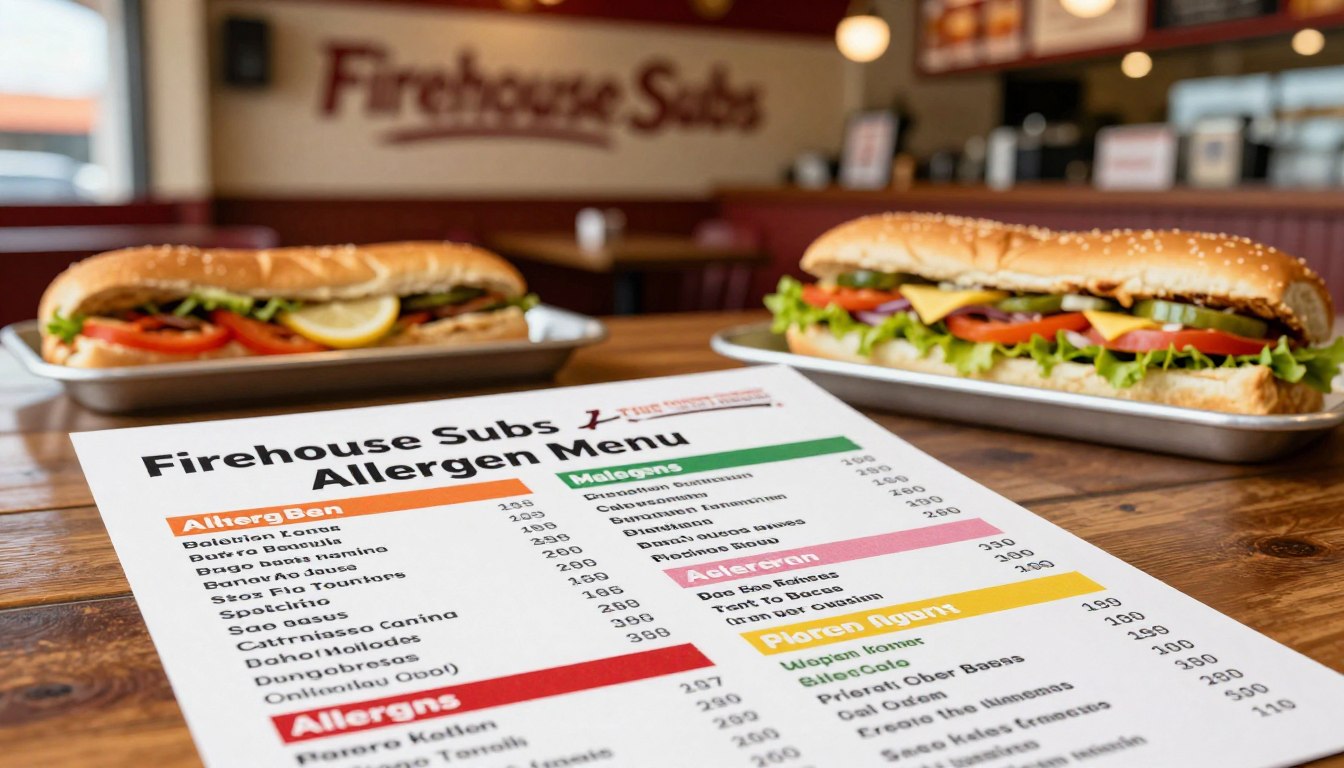
Firehouse Subs Allergen Menu
This quick introduction helps you use the chain’s allergen guide to pick safer meals. It explains how the guide adapts to your profile and why listings can change by location or over time.
The guide is customizable and viewable in-store and online. Ingredients, suppliers, and kitchen steps may shift, so always confirm your current order with staff before you eat.
You’ll learn what to watch for across common menu items: breads, cheeses, dressings, and add-ons. The page gives a simple game plan — what to ask, when to ask for extra care, and how to limit cross-contact risks.
For a deeper dairy-free and ingredient breakdown, see the detailed guide here: dairy-free and allergen guide. Use it as a starting point, then verify at your local restaurant for the most reliable safety information.
How to Access the Firehouse Subs Allergen Menu in the United States
Start by locating the in-store PDF or asking staff to confirm ingredients for the exact items you plan to order. Many locations keep a printed allergen guide at the counter or can email a downloadable PDF on request.
You can use this short script at the register: “I have [your top allergens]. Which menu items are safest today, and what substitutions do you recommend on this shift?” Say your allergens first and then ask about simple swaps.
Online ordering often shows ingredient details tied to a personal profile. That can make the allergen view look different between customers. It helps preview ingredients, but always double-check at pickup.
Ingredients and procedures change with suppliers, seasonal rotations, and staff training. A safe order last month may need a quick re-check today. Packaged chips and a side can vary by store—read the bag or label you’re handed.
- Quick tip: save the PDF or take a screenshot, but still confirm at pickup.
- Remember: allergen info is a strong starting point; the safest step is a quick check-in with staff at your restaurant.
How the Allergen Guide Works: Build Your Personal Allergy Profile
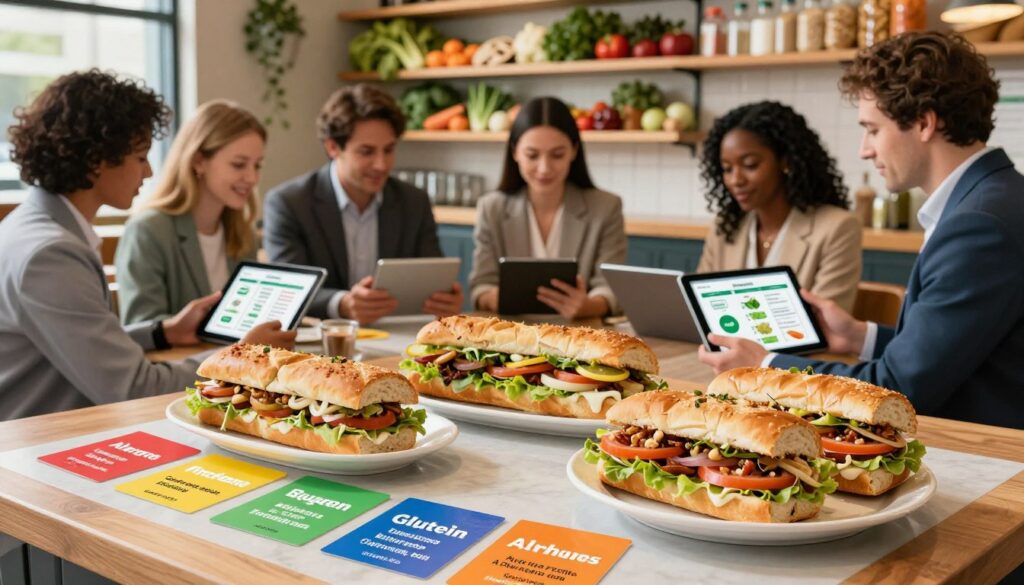
Set up your allergy profile and watch the guide highlight safer choices for your order. The profile turns a long list of menu items into a filtered set that reflects what you must avoid.
What the system tracks
The guide tracks common allergens: milk (dairy), wheat and gluten, soy, egg, sesame, fish, shellfish, sulfites, MSG, and nitrates. You can mark one or more allergies so the results match your needs.
“Contains” versus “may contain”
“Contains” means the listed ingredients are in the item. “May contain” signals risk from shared equipment, shared prep, or handling. Always assume cross contact is possible in a busy kitchen.
When to ask for extra care
If you have severe reactions or multiple allergies, let staff and a manager know before your order is started. Ask for glove changes, a clean knife, or new paper on the prep line when needed.
- Request fresh ingredient bins or a clean prep surface.
- Ask staff for a new pair of gloves and separate assembly time.
- Re-check ingredients over time; suppliers and recipes change.
| Allergen | Common items | Safe action |
|---|---|---|
| Dairy | Cheese, dressings, garlic butter | Skip cheese; confirm dressings |
| Wheat / Gluten | Rolls, baked treats, toast | Ask about gluten-free options; avoid toasted bread |
| Soy / MSG | Some condiments and cured meats | Check ingredients list; request separate prep |
Firehouse Subs Allergen Menu: Top Allergen Callouts Across the Menu
Scan these quick callouts to spot likely triggers on popular sandwiches and sides.
Milk and dairy hot spots
Cheese is the obvious source of milk. Dressings like ranch and lite Italian can contain dairy too.
Garlic butter and Italian seasoning blends sometimes include cheese. Desserts such as cookies and brownies usually list milk and wheat.
Egg hot spots
Mayo-based items are the main concern. Tuna salad, chicken salad, and slaw rely on mayonnaise.
Some dressings, including certain honey mustard recipes, also contain egg.
Wheat and gluten hot spots
Standard sub rolls and baked treats contain wheat and gluten. Toasting and shared prep areas raise cross-contact risk.
If you avoid gluten, ask staff about bread handling and separate prep steps.
Soy, sulfites, MSG, and nitrates
These additives appear in condiments, seasoning blends, and cured meats such as ham, salami, and pepperoni.
If you’re unsure, ask staff to confirm a specific topping, meat, or condiment before it’s added.
- Tip: when in doubt, request ingredient confirmation for the exact items you plan to order.
Gluten-Free, Wheat, and Bread Options for Safer Subs

Bread choices shape risk: learn the real differences between gluten-free and standard rolls. You may find a gluten-free ciabatta roll (often Schär) or a gluten-free hoagie at some locations. Availability can change over time, so ask before you order.
“Gluten-free” does not mean zero cross contact in a busy kitchen. Toasting, shared prep surfaces, and utensils can transfer crumbs. Heat does not remove gluten, so a toasted item can still be unsafe for sensitive guests.
Standard bread choices include the white sub roll and the wheat sub roll. Seasonal items like the King’s Hawaiian roll contain milk. The garlic bread roll is a regular roll toasted with garlic butter; ask for no butter and a dry garlic blend instead.
| Bread Type | Common Allergens | Risk Points | Safer Action |
|---|---|---|---|
| Gluten-free roll (ciabatta/hoagie) | Gluten cross-contact | Shared toaster, prep line | Request clean prep, separate handling |
| White sub roll | Wheat | Toasting, crumbs | Avoid toasting; ask for new gloves |
| Wheat sub roll | Wheat | Shared surfaces, sliced bread | Simplify toppings; confirm handling |
| Seasonal/special rolls | Milk (King’s Hawaiian), butter | Garlic butter spread | Skip butter; use seasoning |
If dairy is a concern, mention cheese and butter when ordering. Ask staff to change gloves, use a clean knife, and keep the roll and fillings separate to lower cross contact and improve safety for your sandwich.
Dairy-Free and Lactose-Friendly Choices Without Losing Flavor
Going dairy-free doesn’t mean giving up the warm, savory comfort you expect. A small change at the register often does the trick: ask for your hot sub with no cheese and simple handling steps.
Hot specialty picks you can order dairy-free
Many hot specialty subs work well without cheese. Try Hook & Ladder, New York Steamer, Engineer, Firehouse Hero, Smokehouse Beef Brisket, or Spicy Cajun Chicken with no cheese.
Add grilled chicken or turkey for familiar protein and ask staff for no garlic butter when applicable.
Salads and dairy-free dressing choices
Salads stay satisfying without cheese. Choose crunchy toppings like peppers, olives, or avocado. Pick balsamic, regular Italian (not the lite), or oil & vinegar as dairy-free dressings.
Soups, sides, and items to watch
| Often safe | Avoid or verify | Why |
|---|---|---|
| Broth-based soups | Cookies, brownies, Krispy treats | Baked goods usually contain milk |
| Plain chips (check bag) | Garlic butter rolls | Butter and cheese blends contain milk |
| Side salad (no cheese) | Meatballs | Meatballs and some seasonings include milk |
Heads-up ingredients: meatballs, ranch, lite Italian, and Italian seasoning blends may contain milk. Ask staff to confirm specific ingredients before your order is started.
Try this ordering phrase: “No cheese, no ranch, and please confirm you’re using regular Italian—not the lite—and no Italian seasoning.” It’s short and clear for the restaurant team and improves safety for your meal.
Build-Your-Own Allergen-Smart Order: Meats, Toppings, and Condiments
Build your own order by picking each ingredient so you control what goes on your sandwich or salad.
Proteins to pick from
Choose familiar deli meats like turkey, ham, roast beef, pastrami, or brisket. Seasonal pulled pork or smoked brisket appear sometimes as specialty items.
Higher-risk proteins to flag
Meatballs often contain milk. Tuna salad and chicken salad use mayo and can contain egg. Cured meats may carry nitrates or spice blends some people react to.
Veggies and safe toppings
Keep flavor with avocado, peppers, onions, pickles, olives, cucumbers, and tomato. Simple toppings cut cross-contact risk and boost texture without cheese.
Condiments, dressings, and swaps
Watch mayo (egg), ranch (milk), garlic mayo (may include gluten), and thousand island (multiple ingredients). Marinara and other sauces vary by store—confirm ingredients before ordering.
- Tip: ask for “no cheese” and “no garlic butter” when you need to reduce dairy.
- Pick one bold dressing like spicy mustard or oil & vinegar instead of stacking sauces.
| Higher-risk item | Why | Safer swap |
|---|---|---|
| Meatballs | Contains milk | Turkey or roast beef |
| Tuna salad | Mayo (egg) | Grilled chicken or turkey |
| Cured pepperoni | Seasonings, nitrates | Ham or brisket |
| Garlic butter | Contains dairy | Dry garlic seasoning |
Allergy-Aware Ordering Tips for Firehouse Subs Locations
A quick chat at the counter can make your next visit much safer for serious allergies. Start by telling staff the specific allergen, how severe your reaction is, and whether cross-contact is a serious concern for you.
How to let staff know before you order
Use a clear script so the team hears the important details first. Try: “I have a severe [allergy]. Please let the cook know and do not add [ingredient].”
Mention if you need them to slow the build or call a manager. Saying how serious the reaction is helps staff prioritize safety.
Reduce cross-contact in a fast-casual kitchen
Ask for simple, reasonable controls: change gloves, use a clean knife, and lay fresh paper on the prep surface.
Request items be pulled from less-exposed bins when possible. If you have multiple allergies, ask for a manager to oversee the order.
Packaged sides and chips: verify every visit
Chips and other packaged sides can vary by location and time. Check the bag for the allergen statement each visit. Look for “may contain” or shared-facility notes.
Don’t assume what one restaurant carried last month matches what you get today.
- Must-mention items: the exact allergen, severity, and cross-contact concern.
- Reasonable requests: glove change, clean knife, new prep paper, fresher bins.
- When in doubt, ask to speak with a manager before the order is started.
Use the online guide as a starting point, then pair it with a short conversation at the counter for the best safety results. For more details and a printable reference, see this quick guide: allergen info and ordering tips.
Make Safe, Confident Choices Every Visit
Create a short checklist to use every time you order for allergy safety. Check the online menu, confirm key ingredients with staff, and note any cross-contact worries before the build starts.
Keep one trusted “safe build” on your phone. Save the sandwich or salad combo that skips cheese and uses simple dressings like oil & vinegar. Re-check bread, dressings, and add-ons each visit. Ingredients can change over time and by location.
Small habits save time and lower risk. A quick chat at the counter plus the firehouse subs allergen menu gives you clear info. Pair the guide with a short, polite request at pickup and you’ll feel ready for your next meal.