Does Burger King Have Onion Rings
You want a quick answer before you pull into the drive-thru. Yes — onion rings are on the Burger King menu in the United States, though availability can vary by location.
This short guide shows what the rings are like and how they stack up against fries. You’ll learn how to order the half-fries/half-onion option, often called a Have-sies, and what to check before you buy.
Before you order, check the app and the in-store menu board. Sides can change by region or during limited-time tests, so a quick check saves time and money.
Why this matters: not every fast food chain keeps this side as a standard. BK stands out as one of the easier places to find them nationwide. Expect uniform, crisp pieces rather than a thick diner-style slice. This review will help you decide if they’re worth your meal today.
Burger King Onion Rings: Availability and Where to Find Them on the Burger King Menu</h2>
If you’re hunting for a crunchy swap to fries, this is the spot to check. Most U.S. locations list onion rings in the sides section or as a choice inside value meals.
Yes — they’re offered where many other restaurants don’t
This chain stands out because several big quick-serve restaurants skip this side. That makes these rings a common go-to for travelers and families who want something shareable.
How you’ll typically order them
- As a standalone side with a sandwich.
- Swapped into a combo or added as an extra in a value meal.
- Mixed with fries via the half-and-half option, often called the Have-sies.
If you’re at the counter or drive-thru, use simple language: “Can I get onion rings instead of fries?” or “Do you offer the half fries, half rings option?” The answer is usually yes, but menus vary by market, so a quick app or board check helps.
Does Burger King Have Onion Rings</h2>
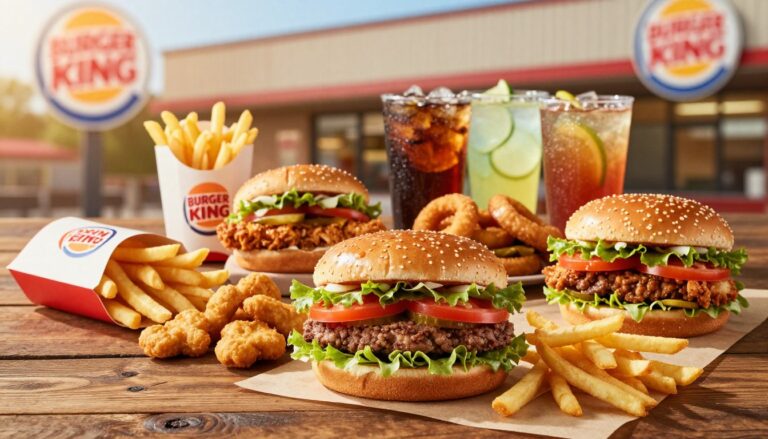
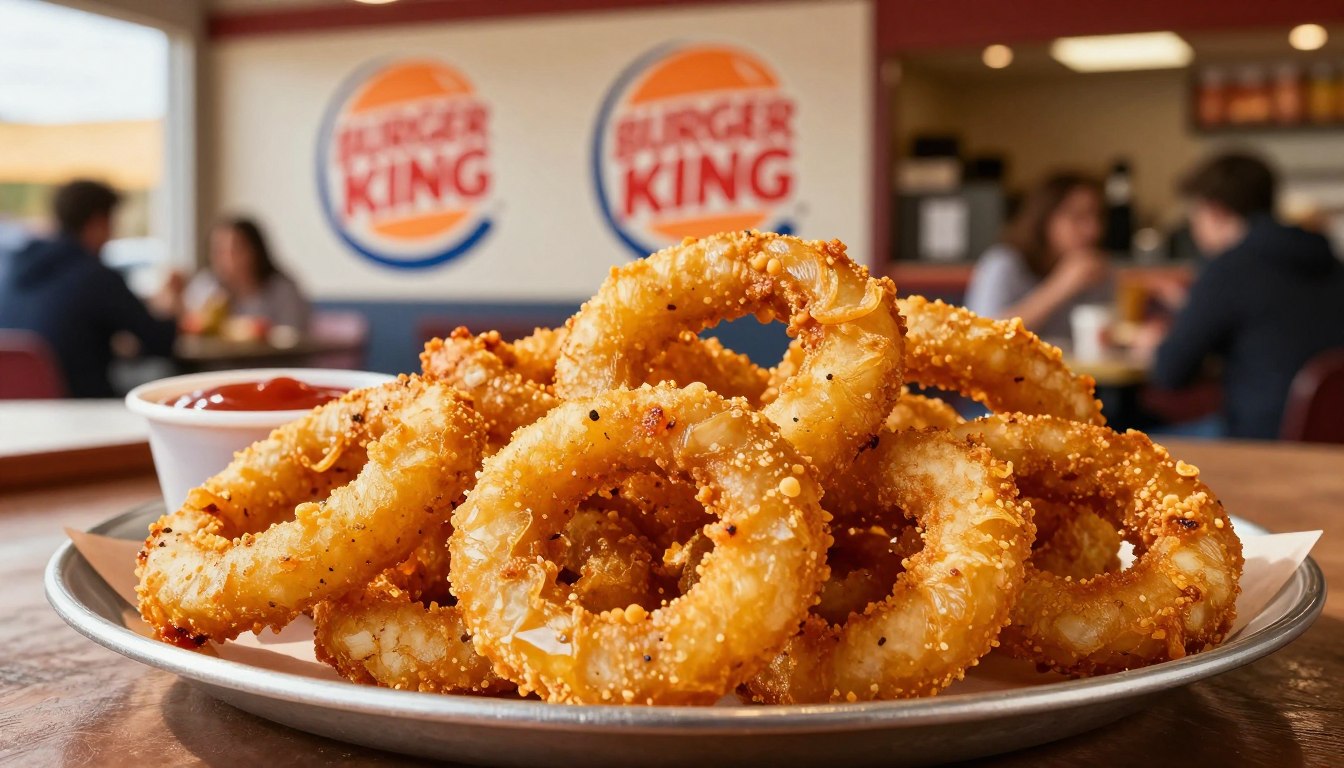
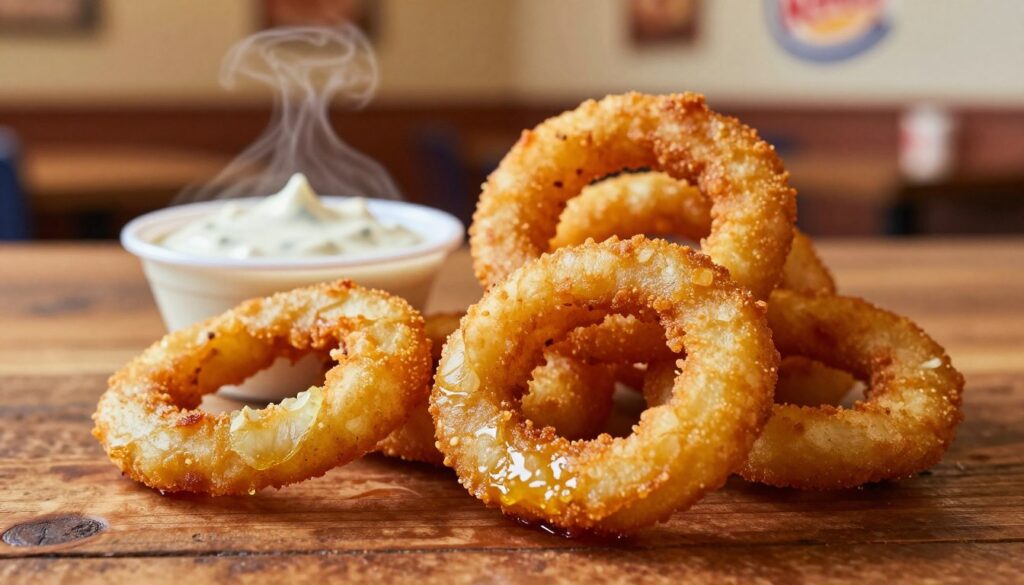
Open the box and you’ll see a stack of identical golden rings, not rough-cut slices. They look uniform, almost factory-made, rather than the varied loops you get from fresh-cut onions.
What you actually get
The pieces are small and consistent in size. That sameness is the opposite of hand-sliced rings where diameters vary. You should expect matching shapes and a tidy presentation in the carton.
Texture and flavor snapshot
The batter is crisp on the outside. The interior is softer and often described as more like a paste than a clean slice. The mild flavor leans toward salty and savory rather than a strong raw onion bite.
Ingredient clues and why it tastes that way
Ingredient lists show dehydrated chopped onions, minced onions, onion powder, and an added onion flavor. Those components explain the paste-like core and steady, mild flavor across batches.
Fast-food logic
Molded rings cook evenly, store longer, and simplify service during rush hours. That consistency helps kitchens deliver the same product at many locations.
| Feature | What You See | What You Taste | Best Pairing |
|---|---|---|---|
| Appearance | Uniform, small circles | Mild onion presence | Classic burger, dipping sauces |
| Texture | Crispy batter outside | Soft, paste-like inside | Sweet or creamy dips |
| Ingredients | Dehydrated onions, powder, flavors | Even, subtle onion flavor | Works with salty sides |
Some customers like the lighter bite. Others miss visible slices. If you want a predictable, crunchy side, this is your kind of option. For a more classic slice, look elsewhere or check the menu details.
Prices, Portions, and Value: Onion Rings vs Fries and the Have-sies Option</h2>
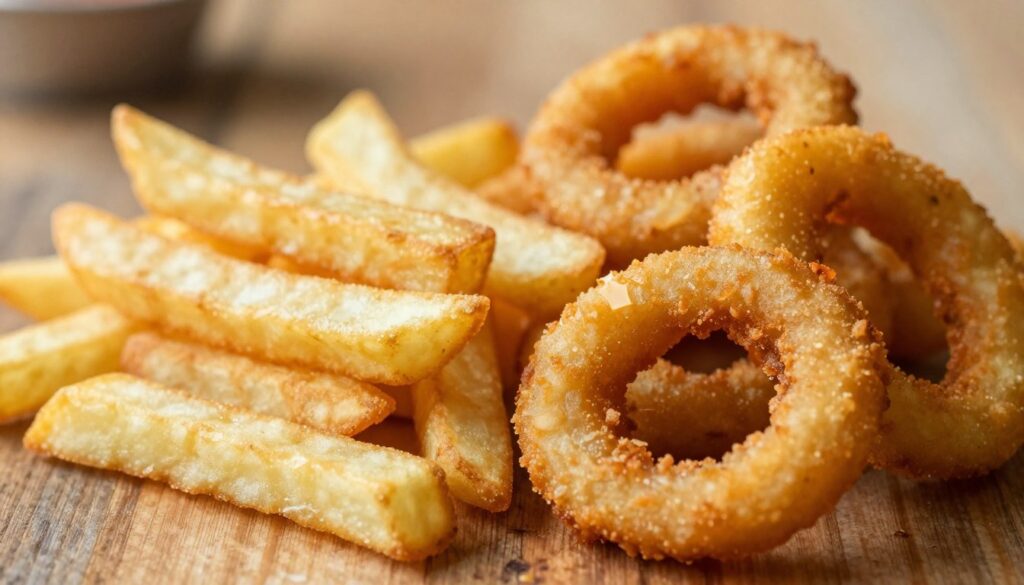
For many diners, the side you pick comes down to price and portion. At most U.S. locations, fries and rings sit at similar price points. That makes taste the main tie-breaker when you order.
Typical pricing structure
Reports show medium fries and medium rings often cost about the same. Your local menu or app will show exact totals, since franchises set local prices.
Calories snapshot for a medium order
Medium fries: ~370 calories. Medium rings: ~360 calories. The numbers are close, so pick based on texture or sharing needs.
Have-sies explained
Have-sies (half fries, half rings) blends both sides. It’s a simple way to get potato and a ring crunch in one order. Availability varies by store and time.
| Item | Price | Calories |
|---|---|---|
| Medium Fries | Varies by location | 370 |
| Medium Onion Rings | Varies by location | 360 |
| Have-sies / Fries n’ Rings | Varies by location/time | Depends on mix |
Note regional tests: a Fries n’ Rings 50/50 mix ran in Fort Lauderdale and Miami from June 19 to July 20. If you spot a limited-time mix, order while it’s listed in the app.
Is It Worth Ordering Burger King Onion Rings Right Now?</h2>
Let’s wrap up with a straight answer so you can order with confidence.
Verdict: king onion rings are a good pick if you want a consistent, crunchy side and a mild onion experience. They are not the place to find thick, hand‑sliced onion ring craftsmanship.
Best time to order: get them fresh and hot during busy meal windows. That way the batter stays crisp and the overall experience improves.
Safest way to try: order the Have‑sies. You keep fries if the rings don’t match your taste.
Pairings: classic burger, chicken sandwich, or shared sides with family travel. Quick checklist for the drive‑thru:
If you like mild flavor and crisp batter → order onion rings. If you want visible slices and bold bite → choose fries or another spot. On the fence? Pick the Have‑sies for balanced value and comfort food satisfaction.