Does Burger King Have Gluten Free Buns
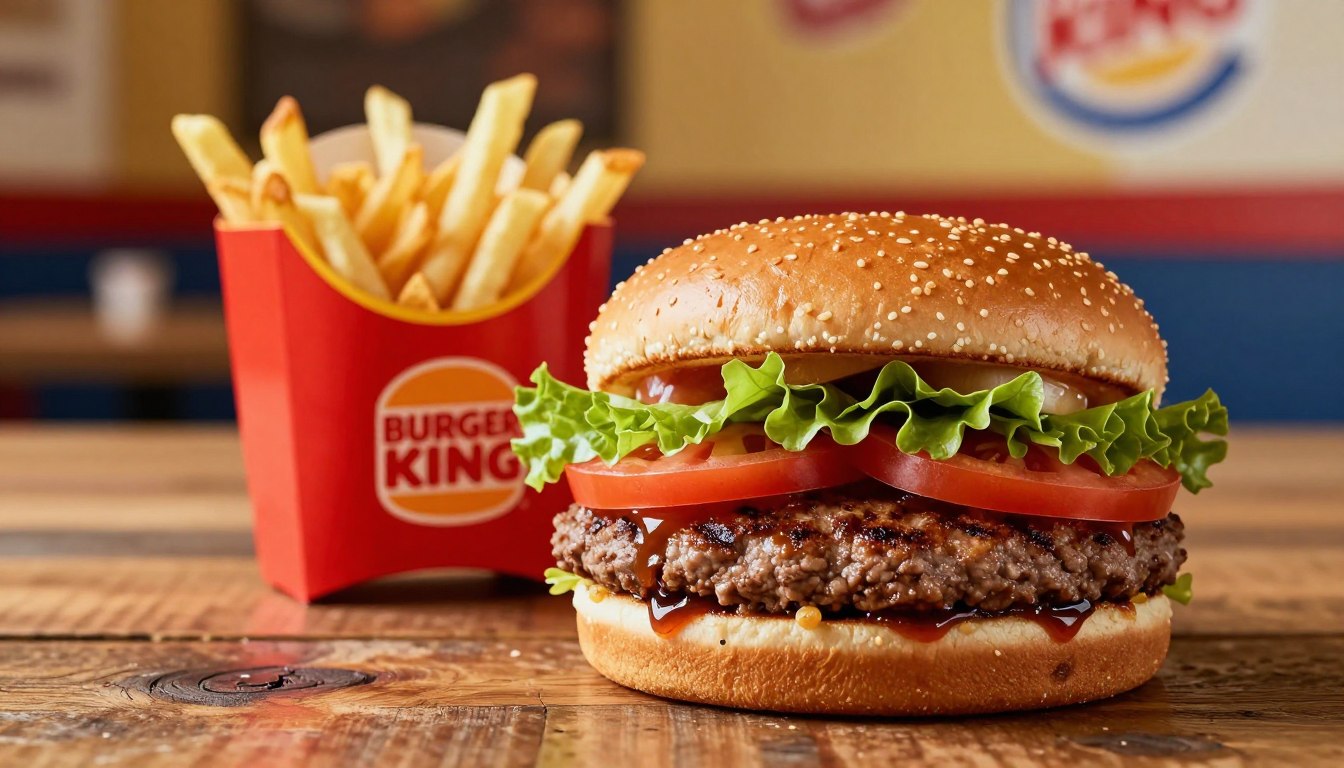
You’ll get a clear answer up front for the United States: Burger King does not broadly offer true gluten-free buns nationwide. That means a dependable, certified bun option is not something to count on at most drive-thrus.
Most guests order without a bun and pick items that do not obviously contain wheat. This is a practical approach for quick stops, but keep expectations realistic.
Fast food kitchens use shared surfaces and equipment. Even items that seem safe can face cross-contact in open kitchens, shared fryers, and prep areas.
This guide helps anyone on a gluten-free diet, plus families and travelers who want a quick, low-drama stop. You’ll learn how to order bunless, what sauces and toppings to watch, and where to find official allergen info before you buy.
Read this first: many locations are franchise-operated, so practices vary by store. The simple takeaway: choose bunless options, ask questions, and use the allergen menu to make safer choices today.
Does Burger King Have Gluten Free Buns
At most U.S. stores, a certified bun substitute is not a dependable option today. You can find items that do not list gluten ingredients. But a nationwide gluten-free bun is not standard across the chain.
Current corporate stance and labels
Corporate notes emphasize cross-contamination risk in open kitchens. Allergen guides list wheat and related warnings. You will often see “may contain” style language on the menu and allergen sheets.
Why “gluten-free” ≠ “no wheat” in fast food
“No wheat” can be clearer for a single ingredient. “Gluten-free” suggests stricter control. Seasonings, sauces, and shared tools can hide gluten even when wheat is not obvious.
- Assume bunless ordering is the primary workaround.
- Check local allergen information before you go; franchises vary.
- Expect advice later on bunless burgers, fries, and simple desserts.
| Term | What it means | Action to take |
|---|---|---|
| Contains wheat | Clear ingredient listing | Avoid if you must not eat wheat |
| Gluten-free label | Needs strict controls to be valid | Confirm with local allergen info |
| May contain | Cross-contact risk possible | Order bunless and ask staff about prep |
What Burger King Says About Allergens and Cross-Contamination
Official allergen statements can help, yet cross-contact in busy kitchens remains a key worry. Burger King notes that cross-contamination is a significant risk, even when a recipe looks safe on paper. You should use corporate allergen pages as a starting point.
Why open kitchens raise cross-contact risk
Open-kitchen service moves fast. Staff may touch buns, flip patties, and use the same spatulas during a rush. That creates chances for crumbs and proteins to jump from one item to another.
Shared equipment and “may contain” in plain terms
Shared grills, tongs, and prep counters can carry crumbs. “May contain” means the product or process can pick up allergens even if wheat is not an ingredient. Treat that label as a real caution.
Where to find allergen information before you order
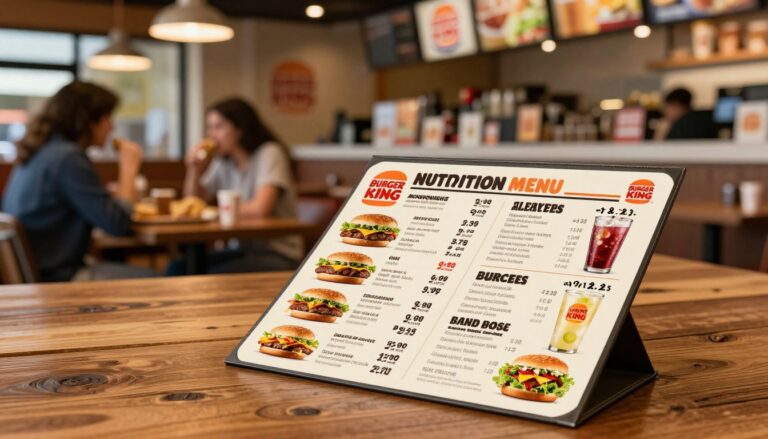
Check Burger King allergen pages, PDFs, or the app’s nutrition/allergen view. Look at the ingredient lists and the allergen notes. If filters or labels seem inconsistent, ask staff for clarification.
| Risk source | Why it matters | What to do |
|---|---|---|
| Open kitchen | Fast swaps and shared tools move crumbs | Order bunless and tell staff about allergies |
| Shared fryer/grill | Oil, tongs, and surfaces carry proteins | Ask about separate fryers or choose different sides |
| “May contain” label | Process-based caution, not recipe certainty | Confirm with staff and check allergen PDFs |
How to Order Burger King Burgers Without a Bun
Ordering a sandwich without the roll is a practical way to reduce wheat exposure at fast-food counters.
Bunless ordering basics for Whopper, Whopper Jr., hamburger, and cheeseburger
Ask for the item without the bun and request a clean container or wrapper if possible. Say it clearly: “Whopper, no bun, in a box, please.”
Watch sauces and crisp toppings. Mayo and some sauces may contain wheat or be labeled as may contain. Pick simple builds: meat, cheese, lettuce, tomato.
TENDERGRILL chicken: what to ask about preparation and ingredients
Confirm the chicken is grilled and not breaded. Ask which fryer and tools touch breaded items. If staff are unsure, skip the chicken to avoid cross-contact.
Sauces, toppings, and cheese: hidden gluten and “may contain” concerns
Sauces and seasoning blends are common hidden sources. When labels say may contain, treat that as a real caution if you are sensitive.
- Simple toppings only: cheese, tomato, lettuce, pickles.
- Limit sauces; ask for them on the side.
- Avoid breaded or crispy items near your order.
| Risk | Why it matters | Action |
|---|---|---|
| Prep surface contact | Patties may touch bun area | Ask for boxed, separated order |
| Sauces labeled “may contain” | Possible wheat in ingredients | Choose plain or request sauce on side |
| Breaded chicken nearby | Higher cross-contact risk | Confirm separate prep or avoid |
Gluten-Free Menu Options at Burger King That Don’t Require a Bun
Simple menu choices often make a quick stop less risky for people avoiding wheat. Salads and plain sides give you fewer ingredients to check. They also cut down on cross-contact steps at the counter.
Salads that can fit a gluten-free diet
Garden-style salads are common options. Ask staff to remove croutons and confirm any crunchy toppings.
Watch dressings. Some contain wheat or have “may contain” notes. Ask for dressing on the side to control ingredients.
BK Fresh Apple Slices and other simple sides
BK Fresh Apple Slices are a straightforward side that usually avoids wheat-based ingredients. They make a good add-on for kids or family meals.
Other simple sides like plain apple or fruit servings and basic vegetable bits offer low-risk items when labels look clean.
- Build a small meal: bunless protein plus a salad or apple slices.
- Keep orders minimal and state modifications clearly at pickup.
- Check the local gluten-free menu lists and ask staff when in doubt.
| Item | Why it works | What to confirm |
|---|---|---|
| Garden-style salad | Few wheat ingredients | No croutons; dressing ingredients |
| BK Fresh Apple Slices | Minimal processing | Availability at location |
| Bunless protein | Reduces wheat surface contact | Ask about prep surfaces and tools |
Parents: apples plus a simple side keeps kids’ meals low-drama. Next up: the most-asked side — fries — and why fryer setup matters.
Are Burger King Fries Gluten Free in the United States?
A quick read of the allergen sheet often shows fries do not list wheat as an ingredient. That sounds good on paper. But the paper answer and kitchen practice are not the same.
What the allergen sheet implies about fries and wheat
The guide may say fries do not contain wheat. That means the recipe lacks wheat ingredients. It does not guarantee protection from cross-contact.
Shared fryer and oil filtration: why it matters for celiac disease
Many stores cook fries in a fryer used for breaded items. Breadcrumbs and batter can shed into the oil. Oil filtration can spread tiny particles across batches.
If you have celiac disease, even small amounts of gluten in shared oil can trigger a reaction. That makes fryer practices a real concern.
What to choose instead if fryer cross-contamination is a concern
- Ask staff whether fries use a dedicated fryer or if oil is shared and filtered.
- Choose packaged sides like apple slices or a salad without crunchy toppings.
- Decide based on your sensitivity: some people accept fries; others avoid them for safety.
| Question to ask | Why it matters | Action |
|---|---|---|
| Dedicated fryer? | Confirms separation from breaded items | Prefer locations with separate fryers |
| Is oil shared or filtered? | Filtering can move particles between batches | Decline fries if oil is shared |
| What else is cooked here? | Breaded items raise cross-contact risk | Choose alternative sides if uncertain |
Menu Items Most Likely to Contain Gluten (and Why to Avoid Them)
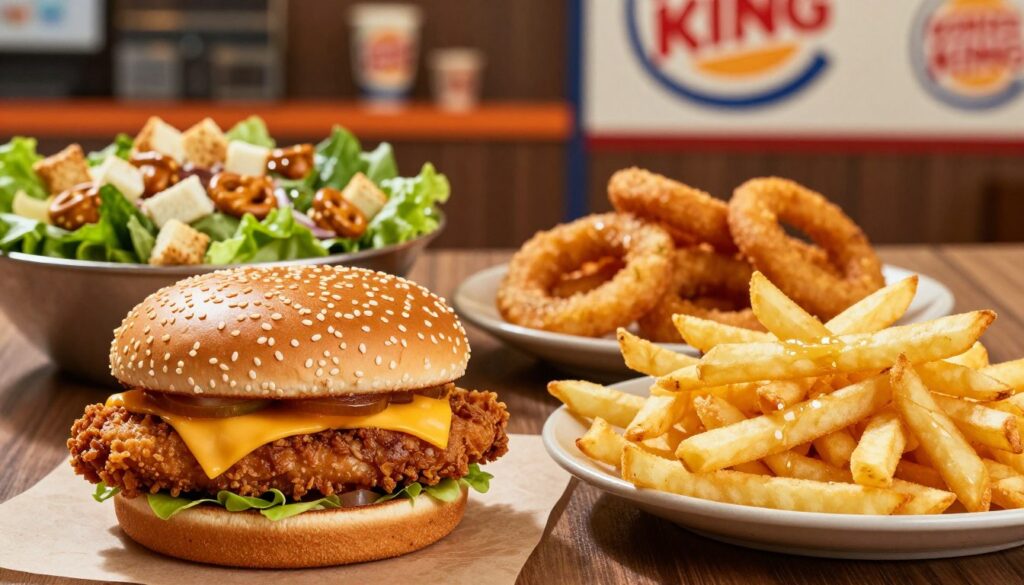
When scanning the menu, treat any sandwich built on a bread product as a likely source of gluten. That keeps decisions fast at the speaker and reduces confusion.
Anything served on a wheat bun, including specialty burgers
Any sandwich on a standard bun or roll should be assumed to contain gluten. Specialty burgers and limited-time products usually sit on the same buns, so they are not safe unless a certified alternative is offered at that location.
Breaded and fried foods
Chicken nuggets, tenders, and onion rings are typically breaded with wheat-based mixes. That breading makes them high-risk for anyone avoiding wheat.
Fryer cross-contact can spread particles. Even fries may be affected if the oil is shared.
Breakfast items with wheat
Biscuits, croissants, English muffins, and many burrito tortillas contain wheat. These are hard to adapt safely in a busy kitchen.
- Quick avoid list: any bun sandwich, breaded chicken, onion rings, and breakfast sandwiches.
- Practical tip: skip crispy, battered, or wrapped products and keep the order simple.
| Category | Why it contains gluten | Action |
|---|---|---|
| Buns & rolls | Made from wheat flour | Avoid or order bunless |
| Breaded chicken | Wheat in breading | Choose grilled protein |
| Onion rings | Batter contains wheat | Do not order |
| Breakfast sandwiches | Biscuits and muffins use wheat | Pick fruit or eggs plain |
Desserts and Drinks: What’s Typically Gluten-Free at Burger King
A simple shake or plain soft serve often lists no wheat, yet prep steps matter. You can usually find menu items that are gluten free by ingredient. Still, real-world prep can add risk.
Milkshakes, soft serve, and sundaes
Standard milkshakes, a cup of soft serve, and classic sundaes commonly show no wheat in the ingredients. That makes them a reasonable pick for many people who avoid gluten.
Limit add-ins. Cookie pieces, malted mix, and crunchy toppings often carry a “may contain” note. Ask staff whether the scoop or spoon touches other desserts.
Coffee, fountain drinks, and other beverages
Plain coffee and fountain drinks generally do not contain gluten ingredients. Sealed bottled drinks are the lowest-risk option for families on the road.
Cross-contact risks and quick ordering tips
- Skip cookie or candy mix-ins that may contain wheat or carry a “may contain” warning.
- Ask if scoops and spoons are shared between treats.
- Choose plain soft serve in a cup or sealed drinks for the simplest order.
| Product | Why it may be okay | What to confirm |
|---|---|---|
| Milkshakes | Base often lists no wheat | No cookie/candy mix-ins; separate scoop |
| Soft serve (cup) | Minimal ingredients | No toppings; ask about shared tools |
| Coffee & fountain drinks | Usually no gluten ingredients | Prefer sealed bottles or plain options |
Seasonal desserts may change ingredients and may contain warnings. Check the current gluten-free menu details or ask at the counter. Next, we’ll look at how sensitivity and celiac disease affect whether these picks are safe enough.
Gluten-Free Dining at Burger King With Celiac Disease vs. Gluten Sensitivity
If you have celiac disease, fast food with open kitchens raises real concerns that go beyond ingredient lists.
People with non-celiac gluten sensitivity often tolerate tiny traces differently. That difference shapes safe choices at quick-serve counters.
Why some guides recommend avoiding this chain for strict needs
Many guides call it a cross-contamination problem. Shared prep surfaces, shared fryers, and fast pace make tight control unlikely.
What “cross-contamination nightmare” looks like in real orders
Think of a worker touching a bun, then salad, then patties without changing gloves. Picture crumbs on a chopping board and tongs used for multiple items.
Those small moments add up. If trace exposure makes you ill, the risk can be unacceptable even for a bunless order.
- Define your tolerance. If trace amounts trigger symptoms, this chain may be too risky.
- Lowest-risk picks: sealed drinks and packaged sides like apple slices when available.
- Avoid grill or fryer items when staff can’t confirm separate handling.
| Situation | Why it matters | Action |
|---|---|---|
| Celiac disease | Needs near-zero exposure | Avoid locations with shared prep or choose sealed items |
| Non-celiac sensitivity | May tolerate minor traces | Decide case-by-case; ask staff about handling |
| Unclear handling | Menu may list “may contain” | Pick packaged sides and bottled drinks; consult a gluten-free fast food guide |
Best Practices for Ordering Gluten-Free at Burger King
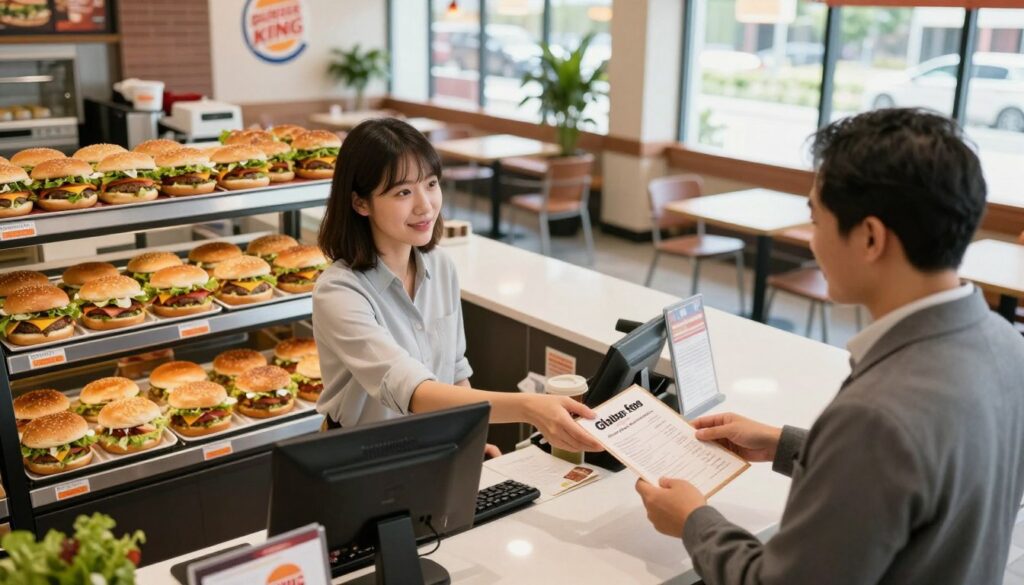
Plan your order with a short script so staff know you need extra care around cross-contact. Say it calmly and clearly. That helps the crew respond quickly during a busy shift.
What to say to staff to reduce cross-contact risk
Use one simple line: “I’m avoiding gluten — can you help reduce cross-contact?”
Ask them to change gloves, use a clean wrapper or box, and tell you if they can wipe the prep surface first.
Questions to ask about fryers, gloves, and prep surfaces
- Is there a dedicated fryer for fries or is oil shared with breaded items?
- Will staff change gloves or use clean tongs for my order?
- Can the assembly area be wiped before the meal is built?
Smart substitutions to build a safer meal
Order proteins without a bun, skip breaded items, choose a salad without croutons, and stick to simple toppings.
For sauces, ask which ones may contain gluten. If unsure, skip the sauce or get it on the side.
How to double-check allergen info when filters feel inconsistent
Step 1: Review the burger king allergen PDF or app before you go.
Step 2: Compare the listed ingredients to the in-store menu. Step 3: Ask staff to confirm any “may contain” notes. Remember: franchises differ, so the safest answer is the one at that store that day.
| Action | Why it helps | Quick script |
|---|---|---|
| Change gloves/wipe surface | Reduces crumb transfer | “Please change gloves and wipe this area.” |
| Confirm fryer use | Shared oil spreads particles | “Are fries cooked in a separate fryer?” |
| Sauce on side | Limits uncertain ingredients | “Sauce on the side, please.” |
Making the Call: Is Burger King a Practical Gluten-Free Stop Right Now?
This short guide helps you make a quick, confident choice on the road.
If you need strict protection for medical reasons, avoid the chain. Cross-contact in busy kitchens makes near-zero exposure hard to guarantee.
If you are comfortable with some risk, keep orders simple: a bunless sandwich, packaged sides, plain desserts, and sealed drinks. Ask staff about fryers, glove changes, and prep surfaces before you buy.
Red flags: wheat rolls, breaded chicken, onion rings, and shared fryer food when handling can’t be confirmed.
Check the latest menu and ingredient or allergen info for that location. This guide aims to help, not alarm; use your comfort and health needs to decide.