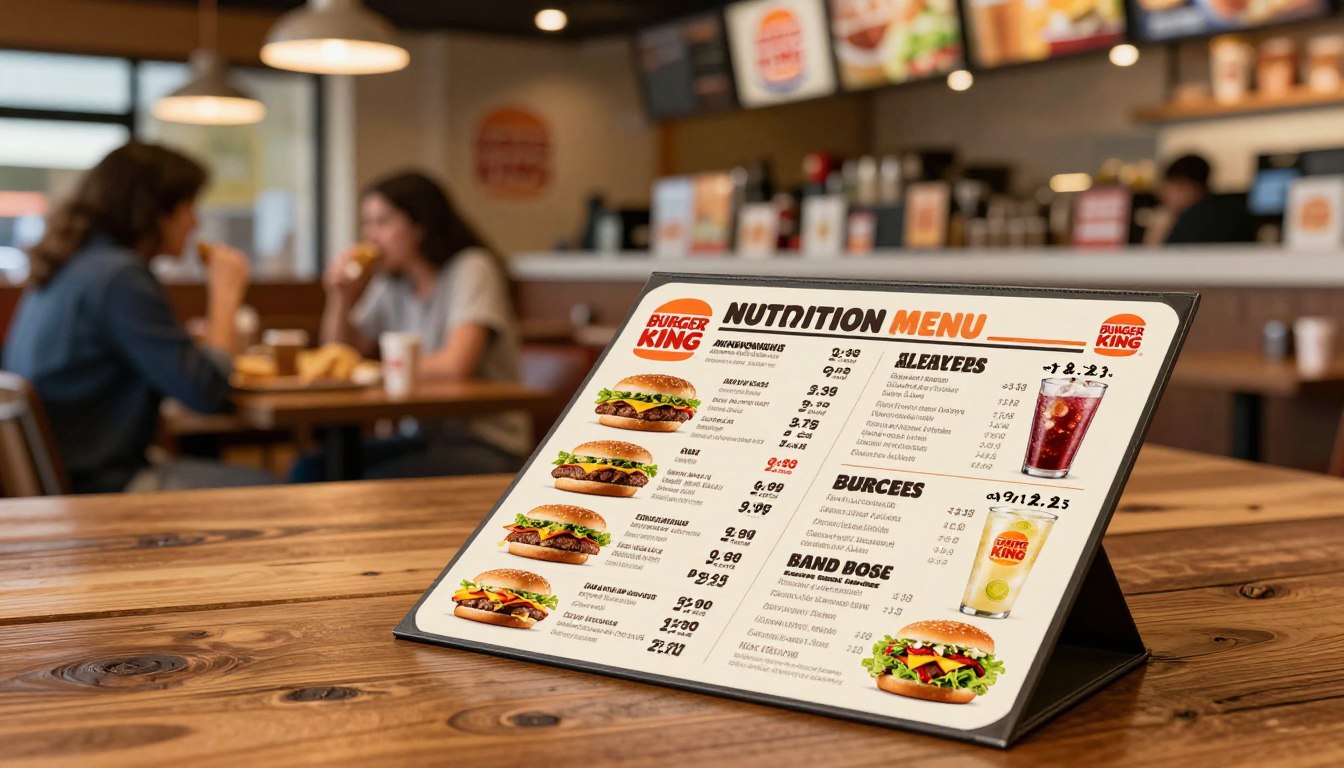
Burger King Nutrition Menu
This quick guide shows you how to find clear nutritional information for U.S. locations and how to filter the Burger King offerings by calories, search terms, and other handy options. You’ll learn to compare calories, spot sodium and sugar traps, and check allergens fast before you tap “place order.”
The guide is for families on the road, value-minded diners, and anyone who wants to order with confidence without turning a quick stop into a research task. Menu details can change by location and over time, so the fastest check is the official U.S. resource or the restaurant’s live listings (updated 1/8/2026).
Watch for sneaky calories from bun size, breading, cheese, sauces, and drink portions. We’ll cover popular picks like the Whopper and cheeseburger, chicken sandwiches, breakfast items, sides, drinks, and treats in a simple compare-first format. Sodium often decides fast-food choices, so you’ll get tips to cut salt without losing comfort or flavor.
How to Use Burger King’s Menu Nutrition Tools in the United States
You can use the U.S. filter tools to match portion size, calories, and whether an item is available near you. Start with a quick search, then tighten the results by category and calorie cap. This saves time and keeps choices simple when you’re ordering.
Search, filter by calories, and spot available vs. discontinued items
Begin with “Search the menu” to find a name or keyword. Narrow by category next. Then apply “Filter by Calories ≤ calories” to stay in your range.
Use the Available / Discontinued toggle to skip listings you can’t actually order. That avoids comparing items that won’t appear at your local store.
Understanding the “voted a healthy and tasty option” label
That marker flags items that meet a set of criteria. It is a quick guide, not a full verdict. Open the details and check sodium, sugar, and ingredient lists before you decide.
Quick compare and ordering tips
Compare in 30 seconds: pick two items, match portion size, scan calories first, then check sodium, then look at sauces and cheese for hidden add-ons.
Use the same method whether ordering in-store or online. Filter, confirm, and beware of default combos that add sides or drinks you didn’t plan for.
| Step | Action | Why it matters |
|---|---|---|
| 1. Search | Type item name or keyword | Find options fast across the Burger King Nutrition Menu |
| 2. Filter | Set Calories ≤ target and toggle Available | Keeps results realistic and within your calorie goal |
| 3. Compare | Match size, check calories and sodium | Reveals hidden calories in sauces and sides |
Tip for families: treat drinks and sides like main items. Drinks can add many calories and sugar quickly. Reading the nutrition facts in context—portion size, combo defaults, and condiments—helps you order with confidence at any fast food stop.
Burger King Nutrition Menu: Calories and Nutrition Facts by Popular Picks
A quick look at portion, patties, and toppings gives a clear view of calories and sodium. Use these notes to match what you want to eat with what you can afford in calories.
Whopper vs. Double Whopper
Compare portion size first. An extra patty raises calories and saturated fat quickly. Toppings and sauces add sodium and hidden calories too.
- Decide if the extra patty is worth the calories or if you prefer a smaller main and a side you enjoy more.
- Remove mayo or cheese to shave calories and salt without losing the flame-grilled taste.
Cheeseburger vs. Hamburger
Cheese brings added calories, saturated fat, and sodium. If you want fewer calories, skip the cheese. That swap is the simplest and often most effective.
Original Chicken Sandwich — beyond calories
Check breading, frying oil, and sodium levels. Two sandwiches can look similar but differ in coating and salt.
- Look for breading ingredients and wheat allergen notes.
- Watch condiments; mayo-style sauces add fat and salt fast.
Fish sandwich choices
For fish sandwich options like the big fish sandwich, watch the coating and tartar-style sauces. Coatings often include wheat and the fillet contains fish allergens.
If you’re watching sodium, compare similar items and focus on cheese, bacon, and sauces first. For families, consider splitting larger sandwiches or choosing smaller mains for kids to keep portions and calories reasonable.
Chicken Sandwiches and Chicken Sides: What Changes the Nutrition Most
Breading and sauces are the biggest drivers of calories and sodium in chicken dishes.
Breaded, fried filets usually add more calories and more sodium than grilled-style filets. The coating often uses wheat flour and seasoned mixes. Frying holds oil and salt in the crust.
Breading vs. grilled filets
A grilled filet keeps calories and sodium lower. A breaded filet raises both quickly. Bun type, mayo-based spreads, cheese, or bacon can add even more salt and fat.
Size, dips, and chicken sides
More pieces mean more sodium. Chicken fries and tenders are easy to overeat. The dipping sauce you pick can add sugar, salt, and calories fast.
- Pick portion size first. Then choose one dipping sauce.
- For kids, share a larger side and pair with water or unsweetened tea.
- Check allergen notes: breading often contains wheat; some sauces list egg or milk.
| Item | Key driver | What to watch |
|---|---|---|
| Grilled filet | Cooking method | Lower calories; lower sodium |
| Breaded filet | Breading & frying | Higher calories; higher sodium |
| Chicken fries/tenders | Portion & dip | More pieces = more sodium; dips add sugar and salt |
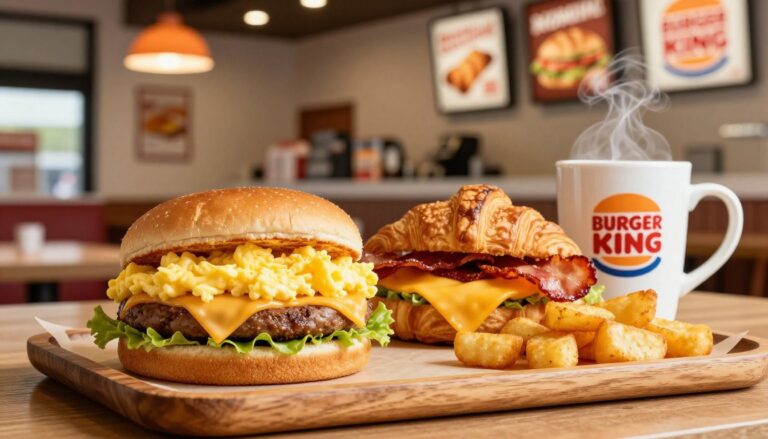
Breakfast Nutrition: French Toast Sticks, Egg & Cheese, and Sausage Combos

Breakfast choices look small, but syrup and sides can double the calories fast. Start by spotting the base item, then add the extras in your head. That habit keeps ordering simple and honest.
French toast sticks and french toast: syrup, butter, and added calories
When you compare french toast sticks and a slice of french toast, count the syrup portion and butter. Syrup adds sugar and quick calories. Fried versions are more calorie-dense than pan-griddled items.
Egg, cheese, and sausage options: what to compare for sodium
Egg provides protein with modest sodium. Cheese and sausage bring the biggest sodium jump. Swapping sausage for just egg or skipping cheese cuts salt without losing the warm breakfast feel.
Breads and buns at breakfast: croissant and English muffin ingredient notes
Croissants often include wheat, milk, and egg. English muffins list wheat and soy and may show traces of milk, egg, or nuts from shared facilities. These notes matter for allergens and simple swaps.
Toast sticks ingredients overview for allergy-sensitive diners
Toast sticks commonly contain wheat and soy and can be fried in soybean oil. If peanut or tree-nut cross-contact matters, check the supplier notes before you order.
| Item | Main allergens | What to watch |
|---|---|---|
| French toast sticks | Wheat, soy | Syrup portion; frying oil; calories |
| Egg & cheese sandwich | Egg, milk, wheat (bun) | Cheese raises sodium; choose one rich add-on |
| Sausage combo | Wheat (bun), milk (seasoning) | Sausage spikes sodium and calories fast |
Practical tip: keep one indulgence per plate—cheese, sausage, or syrup. A small vitamin boost in enriched bread does not erase the added sugar or sodium. Order with that balance and you will feel better about your morning food choices.
Sides That Add Up: French Fries, Onion Rings, and More
Side dishes often sneak extra calories and salt into a meal long after you think you’re done ordering. A quick choice can change the totals more than a larger sandwich does.
French fries: frying oils, seasoning, and why sodium can spike
Fries list potatoes plus frying oils and added ingredients. The oil holds fat and salts cling to the surface. A light sprinkle can double the sodium of a plain portion.
Onion rings vs. fries: how the breading changes nutrition information
Onion rings usually include wheat flour and sugar in the coating. Breading raises carbs and calorie density compared with plain fries. If you have a wheat allergy, the coating matters.
Hash rounds and other potato sides: hidden calories and salt
Hash rounds often contain potatoes, soybean oil, and wheat flour. Bite-sized pieces make them easy to over-order. Each piece adds both calories and salt without much notice.
- Keep your main item, then pick a smaller side or share.
- Seasoned sides carry more sodium; choose the least-seasoned option if you’re sensitive.
- Pair a small side with a no-sugar drink to stay satisfied and avoid extra calories.
| Side | Key ingredients | Watch for |
|---|---|---|
| Fries | Potatoes, frying oil | Added salt; oil absorption |
| Onion rings | Wheat flour, sugar, batter | Higher carbs; wheat allergen |
| Hash rounds | Potatoes, soybean oil, wheat flour | Bite-size overeating; added salt |
Drinks and Treats: Barq Root Beer, Iced Tea, Juices, and Shakes
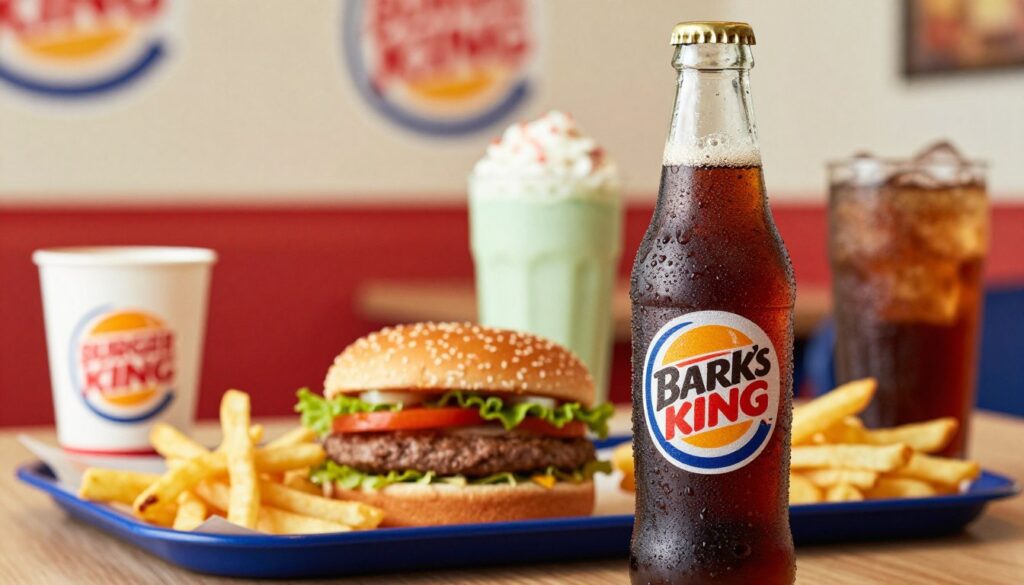
Sipping without checking labels can double your meal’s calories; focus on size, sugar, and milk content. Start by opening the official nutrition facts and compare serving sizes before you size up or add refills.
Barq root beer and sodas
Barq root beer and other sodas are easy to underestimate. Check the listed sugar and calories per serving. If you want the flavor, choose a smaller cup or skip refills.
Iced tea and juice choices
Iced tea can be sweetened or unsweetened. Confirm the default when ordering. For apple juice, orange juice, or Maid orange drinks, read whether it is 100% juice or a juice drink. Serving size matters most.
Shakes and milk-based drinks
A vanilla shake and other shakes are typically calorie-dense and contain milk. Treat them as desserts. Consider sharing a small shake to enjoy the taste without overshooting your daily totals.
| Drink type | What to check | Quick swap |
|---|---|---|
| Soda (Barq root beer) | Sugar per serving; cup size | Smaller cup; no refill |
| Iced tea | Sweetened vs. unsweetened; added sugar | Ask for unsweetened or light |
| Juices (apple juice, orange juice, Maid orange) | 100% juice vs. juice drink; serving size | Smaller serving; water mix |
| Shakes (vanilla shake) | Milk content; sugar and calories | Share or choose small size |
Ingredients, Allergens, and Dietary Notes From Official Nutrition Information
Treat the official ingredient list as your roadmap for safe choices. It tells you where milk, egg, wheat, soy, and high sodium may hide. Use it as the last check before you order.
Buns and bread
Most buns contain wheat. Sesame tops add a seed allergen. Soy can appear as oil or lecithin in specialty buns. Scan the bun line first if you avoid wheat or soy.
Cheese and dairy
Cheese slices and creamy add-ons list milk or milk solids. Sides like mozzarella-style items also include milk and wheat. Ask for no cheese to remove that milk source.
Fish, chicken, and breading
Breading usually contains wheat. Fish filets list fish and wheat; shared-facility notes matter for nut-sensitive diners. Breading raises both sodium and calories.
Condiments, bacon, and sauces
Mayonnaise includes egg. Mustard tends to be egg-free but check labels. Bacon is high in sodium. Sauces and dipping sauces can add milk, egg, and sugar—know before you dip.
| Item | Common allergens | What to watch |
|---|---|---|
| Bun | Wheat, sesame, soy traces | Specialty buns list supplier notes |
| Cheese | Milk, soy lecithin | Also in sauces and sides |
| Dipping sauce | Milk, egg, soy | High sodium and sugar |
Ingredients and suppliers change. For the most current details, consult the official ingredient list before ordering: official ingredient list.
Build a Lower-Calorie, Lower-Sodium Order Without Losing Flavor
.
Start by picking your main, then add sides, choose a drink, and decide on sauces last. Use the Burger King search and calories filter, and toggle Available/Discontinued (updated 1/8/2026) to confirm what you can actually order.
Control the big three sodium drivers: cheese, bacon, and sauce. Dropping one cuts salt a lot without losing taste. For sandwiches, pick a simpler build and skip extra cheese or creamy spreads when you can.
For chicken and original chicken picks, prefer grilled or smaller portions. Breaded items and extra dipping sauce raise sodium and calories fast. Big fish sandwiches also need a sauce check.
Keep flavor with mustard, pickles, or one bold sauce. For breakfast, keep syrup if it matters and cut cheese or sausage instead. Downsize fries, share a side, and pick water or unsweetened iced tea more often.
Before checkout: confirm your calories filter, review sodium on the nutrition facts, scan allergens like milk and cheese, and ensure items are available at your location.