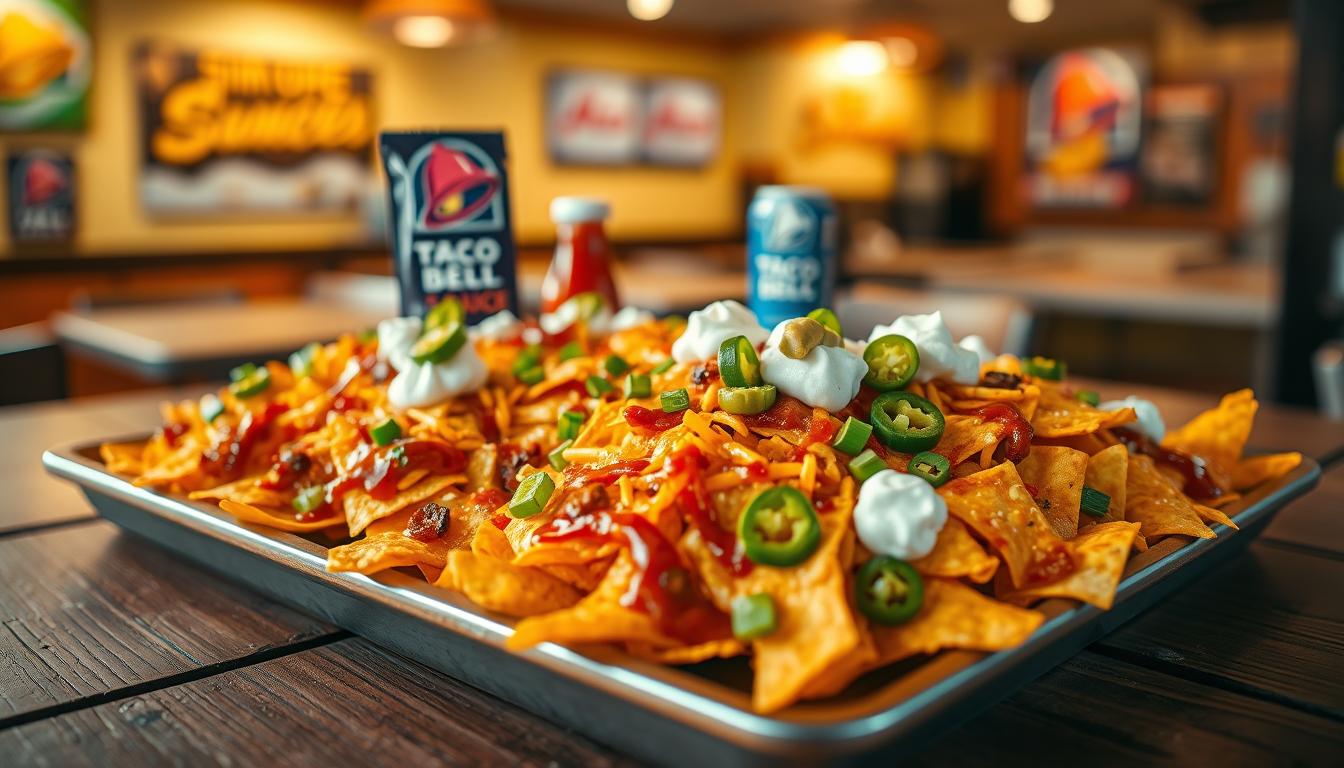
are taco bell nachos gluten free
This short buyer’s guide helps you decide if a fast food corn chip dish with nacho cheese fits a strict diet in the United States right now.
Ingredients may look simple: chips, nacho cheese sauce, and add-ons. Still, shared prep lines and shared fryer oil create real cross-contact risk. The brand itself notes some items are made without gluten-containing ingredients but warns about shared kitchen use.
This guide supports two paths. One is for people who want to minimize exposure and can accept small risk. The other is for people with celiac disease who must avoid contact entirely.
We will check ingredient lists, point out cross-contact hotspots, list questions to ask staff, suggest safer menu picks, and end with a clear “worth it or pass” decision framework.
What “gluten-free” means at Taco Bell in the United States
A food label isn’t the whole story — process and prep often shape real gluten exposure.
Taco Bell does not offer a certified gluten-free menu. Instead, many items are listed as made without gluten-containing ingredients. That phrase means the recipe lacks wheat, barley, or rye, but it is not a guarantee of zero trace contamination.
Made without vs certified
“Items made without” names ingredients, not lab testing. Certified gluten-free means testing and strict controls to meet the FDA 20 ppm limit. Taco Bell falls into the first category, not the certified one.
Why shared equipment matters
A shared kitchen with common fryers, prep surfaces, and utensils raises cross-contact risk. Staff gloves, scoops, and oil can transfer crumbs and proteins even when you order from a gluten-free menu.
FDA 20 ppm in plain English
The FDA sets 20 parts per million as the labeling threshold. Fast-food operations do not test each order or control every step to that standard. For someone trying to reduce exposure, the menu list can help.
For people with celiac disease, however, the process matters more than ingredients. Local staff training, busy hours, and menu changes make risk variable. This guide’s rule: ingredients matter, but process matters more in a shared kitchen environment.
Taco Bell’s gluten and allergen policy you should read before ordering
Before ordering, read the chain’s official allergen guide so you know what risks the kitchen setup may add.
Where to find official ingredient and allergen information
Visit the brand’s website for up-to-date ingredient lists and an allergen chart. The online guide flags items that do not contain gluten ingredients and notes supplier changes. Use this information before you pick from the menu, especially when limited-time items rotate.
How the company frames celiac disease vs sensitivity
The company identifies items made without gluten ingredients but does not operate a dedicated gluten-free facility. It explicitly warns that shared prep areas and equipment can cause cross-contact.
For people with celiac disease, even trace exposure can be medically serious. For those with non-celiac sensitivity, the risk profile may be different. Treat third-party lists as starting points and confirm at the restaurant.
| What the website lists | What it does not guarantee | Practical action |
|---|---|---|
| Items without gluten ingredients | Zero cross-contact | Ask staff about line practices |
| Allergen and supplier updates | Dedicated gluten-free prep | Prefer simple builds and fresh gloves |
| Nutritional and allergen information | Medical clearance for celiac disease gluten exposure | Choose safer menu items or avoid if needed |
are taco bell nachos gluten free
If you’re weighing a quick chip-and-cheese snack, know that ingredient lists tell only part of the story.
Nacho chips: corn-based, but the fryer and handling matter
Chips are typically corn-based and listed without wheat-containing ingredients. Still, shared fryer oil or nearby fried items can transfer crumbs and proteins.
Ask if the establishment uses a dedicated fryer for corn chips. If they share oil with breaded items, the risk cross-contamination rises sharply.
Nacho cheese sauce: ingredient list vs real-world prep risk
The nacho cheese sauce ingredient list may not include gluten. Real-world risks come from ladles, steam wells, and drips when staff scoop multiple sauces from the same area.
Request a fresh ladle and new gloves if you want to reduce cross-contamination risk while keeping the order simple.
Common add-ons that can raise exposure
- Any topping handled near flour tortillas or breaded proteins.
- Scoops used for both seasoned meats and toppings without cleaning.
- Shared bins where chips and other crunchy items touch.
What to ask at the counter
Short script: “Do you use a dedicated fryer for corn chips? Can someone change gloves and use a clean utensil for my order?”
For people who want to minimize gluten, choose simple builds and ask for fresh tools. For celiac-level avoidance, skip the item to be safe.
| Concern | Question to Ask | Practical Choice |
|---|---|---|
| Shared fryer oil | “Is this fryer used only for corn chips?” | Avoid if shared |
| Utensil/drip transfer | “Can you use a clean ladle and gloves?” | Request fresh tools |
| Line handling | “Are chips kept separate from flour items?” | Pick simpler options |
Ingredient check: what’s typically in Taco Bell nachos (and where gluten hides)

Look past the obvious components to see where cross-contact and vague ingredients can hide gluten.
Common components and where risk shows up
Basic builds include corn chips, a cheese sauce, and toppings. Chips and cheese often list no wheat, but how staff handle them matters.
Gluten-containing ingredients to watch
- Wheat-based items: flour tortillas, breaded proteins, and some crunchy shells.
- Shared tools: scoops or fryers that touch multiple menu items.
- Seasoned beef: note that seasoned beef has oats noted by celiac sources; this matters for people avoiding oats.
Seasonings, modified starch, and vague labels
Modified food starch and “natural flavors” can be gluten-free, but they add uncertainty. For strict avoidance, vague terms are red flags.
| Component | Where gluten can hide | Action |
|---|---|---|
| Chips | Shared fryers or bins | Ask about dedicated fryer or fresh serving |
| Cheese sauce | Ladles, steam wells, cross-drips | Request fresh ladle and gloves |
| Proteins/toppings | Seasoning blends, oats in seasoned beef | Skip or replace with plain beans or cheese |
Reading ingredient lists helps, but preparation controls determine real risk. Remove or swap risky items to lower exposure when ordering.
Cross-contamination hotspots: shared fryers, prep lines, and utensils
The biggest threats to a low-risk order come from oil, utensils, and how food is stored on the line. These are process issues in a shared kitchen that ingredient lists do not show.
Shared fryer oil and why it matters
Fried items coated in batter or breading can shed tiny crumbs into cooking oil. Those crumbs stay in the oil and can cling to plain corn chips cooked afterward.
This is why fryer separation is one of the top risk cross-contamination points for people avoiding wheat.
Flour tortillas on the line and contact transfer
Staff handle tortillas, wrappers, and other wheat items on the same prep surface. Hands, gloves, and wrappers can move residue onto nearby bins or chips.
Even brief contact can create gluten exposure for sensitive diners.
Storage and handling of crunchy shells and chips
Crunchy shells and chips are often stored near each other and grabbed with the same tongs or scoop. Shared storage raises the odds of cross-contact.
When exposure is likely — and what to ask
Rush periods, short staffing, and a single set of utensils raise the chance of contamination. If staff cannot confirm fryer separation or clean handling, the risk is higher.
- Ask for fresh gloves and a clean scoop.
- Request a new paper tray or bowl for serving.
- If fryer separation can’t be confirmed, choose a different option.
| Hotspot | Why it matters | Customer action |
|---|---|---|
| Shared fryer oil | Breaded crumbs stay in oil and transfer to later batches | Ask if a dedicated fryer is used; avoid if shared |
| Prep line handling | Hands and gloves move residue between items | Request fresh gloves and isolated build |
| Storage/tongs | Bins and utensils cross-touch different shells | Ask for clean utensils and separate serving container |
If you have celiac disease, here’s what’s realistically safest
For people with celiac disease, even small kitchen lapses turn routine orders into health risks. The brand’s guidance clearly states it cannot guarantee orders are safe for this disease because many menu items are prepared in common areas.
Why the chain does not recommend menu items for celiac disease
The main issue is cross-contact. Shared fryers, prep lines, and utensils let tiny traces transfer between foods. That means ingredient lists alone cannot promise low ppm levels.
Staff training and peak-hour handling vary by location. Because of that variability, the company stops short of recommending its items to customers with celiac disease.
Beverages and sealed options as the lowest-risk choice
Sealed drinks and packaged sides reduce handling and offer the lowest chance of gluten exposure in a shared kitchen. Choosing a bottled drink or an unopened item is the safest in this setting.
- If others order from the chain, eat beforehand or bring your own food.
- Pick a drink and avoid the food line if you must stay with the group.
- Prioritize health over convenience when exposure is likely.
| Risk | Why it matters | Practical step |
|---|---|---|
| Shared fryer or utensils | Trace transfer between foods | Avoid cooked items; choose sealed drinks |
| Unreliable prep controls | Inconsistent staff practices | Do not rely on ingredient lists alone |
| Group situations | Pressure to join meals | Eat first or bring safe food; order a drink |
For those who need lower-risk options but not full celiac avoidance, the next section lists items that are typically made without gluten ingredients. For strict medical avoidance, choosing alternatives outside a shared kitchen is safest.
Better picks than nachos: Taco Bell items made without gluten-containing ingredients
Simple builds and bowl-style plates usually lower the chance of contact with wheat-based items. Below are practical options and why they tend to be safer ingredient-wise, plus clear caveats about cross-contact in a shared kitchen.
Power Menu Bowl options
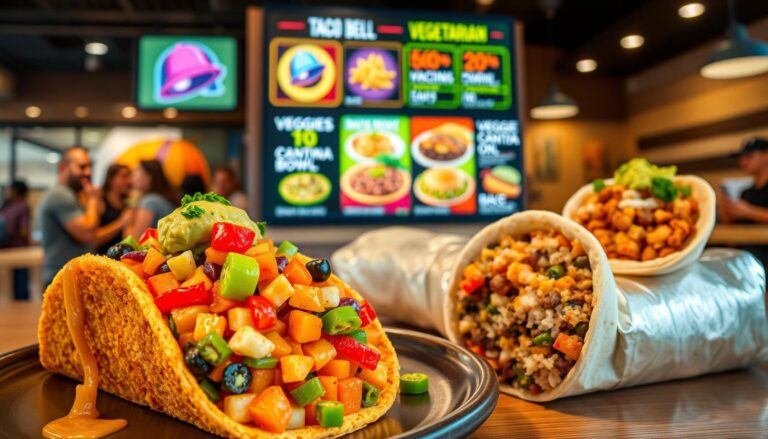
Power menu bowls (Chicken, Steak, Veggie) are easier to customize away from wheat because assembly is more controlled. Choose a protein listed as made without gluten-containing ingredients and ask to omit avocado ranch since that sauce contains gluten.
Bean-and-rice sides
Black beans and rice, black beans, refried beans, and seasoned rice are commonly listed as items made without gluten-containing ingredients. These sides round out a meal with minimal fryer involvement and fewer shared-oil risks.
Crunchy corn-shell tacos
Crunchy Taco and Crunchy Taco Supreme use corn shells, which are often considered a better bet than flour tortillas. Still, line handling and nearby breaded items can cause contact, so request fresh gloves and a clean build when possible.
- Why these beat a chip-and-cheese order: fewer fryer variables, controlled assembly, less ladle-and-drip interaction.
- Always confirm current ingredient lists and local prep practices before ordering.
- For more location-specific guidance, check this Taco Bell guide on Find Me Gluten Free: Taco Bell menu options.
| Item | Why it’s better | Caveat |
|---|---|---|
| Power Menu Bowl (Chicken/Steak/Veggie) | Controlled assembly, easy to skip risky sauces | Remove avocado ranch; ask for new gloves |
| Black beans & rice, refried beans | Minimal fryer use, ingredient lists often clear | Confirm current supplier notes |
| Crunchy Taco / Crunchy Taco Supreme | Corn shell limits wheat ingredient use | Line contact still possible; request clean handling |
Power Menu Bowls: how to order them with fewer gluten risks
Choosing a bowl-style meal makes controlling sauces and toppings easier. A short plan cuts handling steps and lowers the chance of cross-contact on a busy line.
Remove Avocado Ranch (contains gluten)
Celiac.com (04/01/2025) notes Avocado Ranch contains gluten and should be omitted. Say clearly: “No avocado ranch, please—no drizzle.” Confirm staff understand and will keep the ladle away.
Pick proteins listed without gluten-containing ingredients
Choose proteins that the brand lists as made without wheat ingredients, such as grilled chicken or steak when available. Remember that listed ingredients matter, but prep can still cause contact.
Ask for fresh gloves and a clean build
Request new gloves and a separate build area when ordering. This reduces transfer from other items and tools.
- Quick ordering template: “Power Menu Bowl, chicken, no avocado ranch, hold tortilla strips, new gloves please.”
- Drive-thru friendly phrasing: “Power Menu Bowl with chicken, remove avocado ranch, no tortilla strips, please use fresh gloves.”
- Final checklist before you leave: confirm avocado ranch removed, no tortilla or strip add-ons, and bowl built with clean utensils.
| Step | What to say | Why it helps |
|---|---|---|
| Customize | “No avocado ranch; hold tortilla strips” | Removes a known source of contamination and wheat add-ons |
| Protein | “Grilled chicken or steak, please” | Uses items often listed without risky ingredients |
| Prep | “Can you use fresh gloves and a clean ladle?” | Reduces transfer from other line items |
Sauces and toppings: what usually works and what to skip
Small add-ons can change risk more than the main order. Choose sealed packets and simple produce when possible.
Sealed sauce packets that often work
Many diners pick sealed Hot or Mild sauce packets from the official gluten-free menu lists because they limit handling. Packets cut down on ladle cross-drips and reduce line transfer.
Creamy dressings and higher-risk sauces
Creamy sauces like Avocado Ranch should be skipped if avoiding exposure. These dressings often include vague ingredients or use shared ladles and utensils.
Cheese, sour cream, guacamole, and produce
Cheese, sour cream, guacamole, lettuce, and tomatoes can be safe when added with fresh gloves. Ask staff to add them at the end with clean tools to lower transfer risk.
| Category | Usually OK | Skip if avoiding | Practical tip |
|---|---|---|---|
| Sealed packets | Hot, Mild packets | None | Use packets from the menu to limit handling |
| Creamy sauces | None | Avocado Ranch, some dressings | Request no ladle use; ask for fresh gloves |
| Cheese sauces | Packaged cheese or single-serve cups | Line-served cheese sauce / nacho cheese ladled from wells | Prefer sealed portions or request a fresh ladle |
| Produce toppings | Cheese, sour cream, guacamole, lettuce | Pre-handled mixed bins without separation | Ask staff to add with new gloves |
Buyer rule: if unsure, keep it simple. Fewer sauces mean fewer unknowns with food on a busy line. At Taco Bell, request packets or fresh tools to make orders more predictable.
Items to avoid when eating gluten-free at Taco Bell
If your goal is minimal exposure, a short avoid-list will save both time and risk when ordering.
Focus on obvious wheat sources first. Cutting these out reduces the chance of cross-contact in a busy fast food kitchen.
Flour tortilla items
Burritos, quesadillas, and soft tacos use flour at every step. Tortillas dominate the prep area and touch trays, cutting boards, and gloves. Even if fillings are listed without wheat, the wrap itself spreads residue across the line.
Fried and seasoned items
Nacho fries and similar fried sides are common traps. Seasonings or batter, plus shared oil, often introduce wheat into what looks like a simple side. Avoid these unless staff can confirm separate prep and seasoning practices.
Desserts and wheat-based sweets
Skip desserts with dough or pastry. Items such as Cinnabon Delights and cinnamon twists contain wheat and should be treated as automatic no-go choices.
- Practical tip: when limited-time menu items appear, assume higher uncertainty unless the restaurant verifies ingredients and prep.
- Rule of thumb: avoiding obvious wheat menu items is the fastest way to cut risk in a shared kitchen.
| Avoid | Why | Practical action |
|---|---|---|
| Flour burritos / quesadillas | Tortilla contact on prep line | Skip these items |
| Nacho fries / battered sides | Seasoning or shared oil may contain wheat | Choose plain beans or bowls instead |
| Cinnabon Delights / cinnamon twists | Wheat-based desserts | Do not order; pick a bottled drink |
Doritos Locos tacos and nacho-flavored menu items: what to know
Flavored corn shells with a branded seasoning change the risk picture compared with plain crunchy shells.
Why Nacho Cheese Doritos Locos Tacos are often flagged
Celiac.com (04/01/2025) notes that Nacho Cheese Doritos Locos Tacos should be avoided. The shell coating and vendor-supplied seasoning can include ingredients or processing steps that add risk.
When “Doritos-style” flavoring increases uncertainty
Branded powders and cheese-flavor blends may contain wheat-based carriers or be processed on shared lines. That makes ingredient lists less predictable than plain corn shells.
Even if the shell starts corn-based, added flavors and shared storage can raise exposure. For people trying to minimize risk, flavored shells are a buyer red flag.
Simple substitutions lower exposure: choose a standard Crunchy Taco with an uncoated corn shell instead of any flavored shell. Ask staff about current ingredient guides and supplier changes before ordering.
| Item | Why it’s risky | Practical swap |
|---|---|---|
| Nacho Cheese Doritos Locos | Branded seasoning and supplier notes flagged by Celiac.com | Choose a plain corn crunchy shell |
| Doritos-style flavored shell | Added powders, possible shared processing | Request unflavored shell or sealed side item |
| Standard Crunchy Taco shell | Less ingredient/processing uncertainty | Prefer this when minimizing exposure |
How to place a smarter gluten-free order at Taco Bell (drive-thru and in-store)
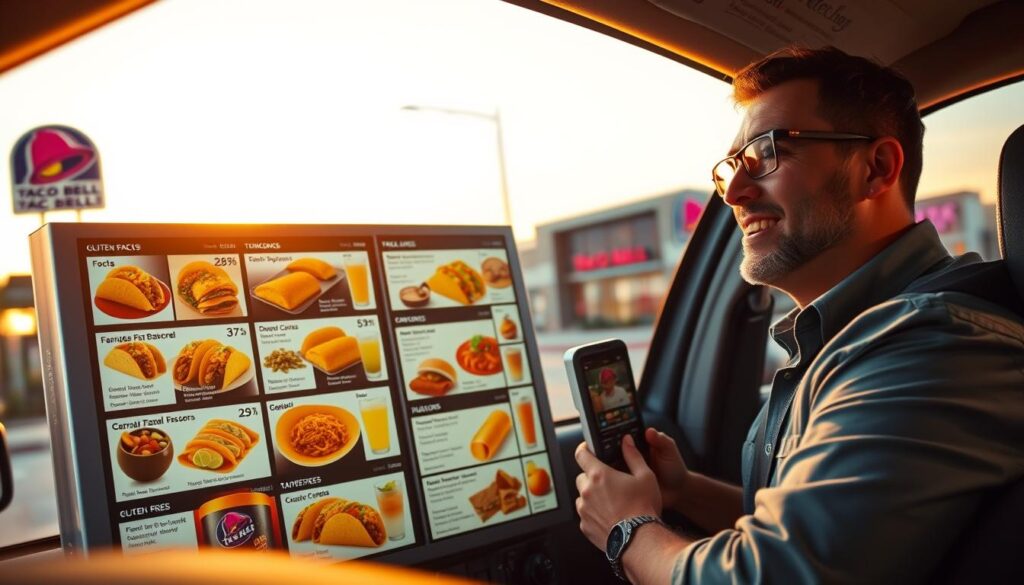
A simple, polite script at the speaker or register can prompt fresh gloves and clean utensils.
Start with a clear line: “I have a gluten sensitivity—can you help me avoid wheat and change gloves?” This tells staff what to do. It works at the counter and through the speaker.
Best wording to use when you mention sensitivity
Say the short script above and add one request: ask for a fresh ladle or fresh gloves. If you want extra care, ask the cashier to note the order as an isolated build.
Simple customizations that reduce wheat contact
- Avoid flour tortillas; choose a bowl or corn shell when listed as items made without wheat ingredients.
- Skip creamy sauces and request sealed packets instead.
- Keep toppings minimal and ask staff to add them last with new gloves.
Red flags that suggest you should choose a different restaurant
Watch for staff who can’t answer about shared fryers or prep steps. If they refuse glove changes, seem unsure about ingredients, or there is visible flour dust, pick another place.
Checking current menu changes and limited-time items
Verify updated menu information before ordering. Limited-time flavors and new seasonings can change risk. At drive-thru, if you cannot ask questions, pick the simplest build with the fewest touchpoints.
| What to say | Why it helps | When to skip |
|---|---|---|
| “I have a gluten sensitivity—can you change gloves?” | Prompts immediate staff action and cleaner handling | Staff refuses or is unsure about procedure |
| “Please use a fresh ladle and no creamy drizzle.” | Reduces sauce cross-contamination and shared utensil risk | Sauces are pre-blended or ladled from a shared well |
| “No flour wrap; build in a bowl.” | Limits line contact with tortillas and flour dust | Prep area shows flour on surfaces or tongs |
Making the call: when Taco Bell nachos are worth it—and when to pass
Think of this as a quick go/no-go test: ingredients matter, but handling often decides the outcome. Check labels for listed ingredients, then confirm how staff handle fryers, ladles, and gloves to judge actual risk of gluten exposure.
Worth it if you have mild sensitivity, accept some risk, can ask specific questions, and order a simple build. Choose minimal add-ons and request fresh gloves and a clean ladle.
Pass if you have celiac disease, a history of strong reactions, cannot confirm fryer or line practices, or visit during peak rush. Even when ingredients look okay, shared oil and handling make nachos a poor bet for strict needs.
If you pass, pick a modified Power Menu Bowl, plain beans and rice, or a different restaurant with stronger controls. Always re-check current ingredients and policies before you order at taco bell.