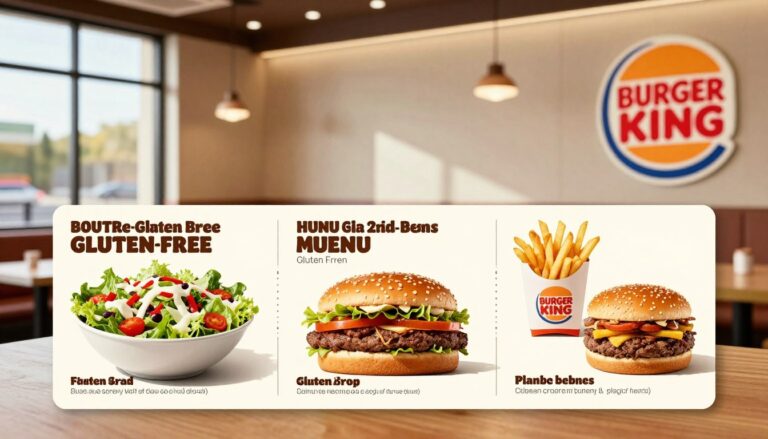
Are Burger King Fries Vegan
You want a quick answer for the United States. This intro checks whether these popular fries meet your personal vegan standard. It uses current U.S. guidance on ingredients and kitchen practices.
The reality at many fast food outlets has two parts. Ingredients can be plant-based. Shared fryers or baskets can touch animal items and change how you decide.
The rest of this page looks at ingredients, fryer oil, shared equipment, sauces, and ordering tips. You will get simple questions to ask and easy swaps for a filling meal when you travel or feed a family.
Expect practical notes on menu differences between chains. Some french fries use animal-derived flavoring; others do not. This guide is informational. Recipes and procedures may change by location and over time.
Are Burger King Fries Vegan in the United States?
Quick roadside guidance for diners in the United States.
Quick answer based on current U.S. ingredient and allergen guidance
By ingredients alone, U.S. guidance updated February 2026 lists burger king fries as vegan-friendly. The fries’ listed recipe contains no dairy or other animal products. That is the starting point for your decision.
Why “vegan ingredients” can still come with caveats at fast-food restaurants
- The plain takeaway: ingredients are plant-based, but shared fryers are used in many locations. Cross-contact with milk or other allergens can happen.
- Trusted sources: check Burger King’s allergen and ingredient guidance and recent U.S.-focused summaries for updates.
- “Made without dairy” means no dairy in the list. It does not mean the item is prepared in a vegan-only environment.
- Shared equipment is the main reason answers vary across the chain and restaurants.
Throughout this guide you’ll see a simple decision framework: ingredient suitability, cross-contact tolerance, and your personal comfort level. Later, you’ll get short scripts to ask staff for the most accurate in-store information without holding up the line.
Burger King Fries Ingredients: Do They Contain Animal Products?
Ingredient labels tell the first half of the story about whether a side is plant-based.
What “animal products” mean for a fry
In a fries context, animal products usually mean dairy, eggs, or added meat flavoring.
That includes milk solids, whey, egg whites, and beef-derived seasonings. These show up in some chain recipes.
How this chain compares to ones that add animal-derived flavoring
By ingredients, burger king lists the fries without dairy or meat flavoring in the U.S. That makes them safer by label alone.
Contrast that with a well-known example: another major chain uses natural beef flavor and lists dairy components. That recipe is not plant-only.
- Coatings and seasonings can add unexpected animal items.
- Processing aids sometimes include milk derivatives.
- Eggs commonly appear in buns and sauces, not the fry itself, so your whole order matters.
- Cheese risk usually comes from toppings or shared prep surfaces, not the potato.
| Aspect | burger king (U.S.) | Comparison chain |
|---|---|---|
| Listed ingredients | No dairy or meat flavor | Includes beef flavor and dairy |
| Common surprises | Coatings, processing aids | Added natural meat flavor |
| Decision steps | Ingredients first, cooking second | Same: check label and fryer use |
Big takeaway: ingredients are step one. How the fries are cooked is step two for your final choice.
How Burger King Fries Are Cooked: Fryer Oil, Shared Equipment, and Cross-Contact
Knowing how the food is cooked helps you decide if it fits your dietary rules.
In U.S. restaurants, the listed fryer oil blend can include corn, canola, soy, and/or cottonseed oils. That mix is plant-based by ingredient lists. It does not rule out cross-contact in a busy kitchen.
- The same fryer or shared baskets may cook fries and breaded chicken, fish, or cheese items back-to-back.
- Cross-contact means tiny bits of another food can transfer. It is not a listed ingredient but matters for strict diets or allergies.
Use this short, polite script at the counter or drive-thru: “Hi — are these cooked in a dedicated fryer? If not, can you use a clean basket or tell me when the oil was last changed?”
| Aspect | What to ask | Why it matters |
|---|---|---|
| fryer oil | Which oils are used | Confirms plant-based ingredients |
| Shared baskets | Dedicated basket available? | Reduces cross-contact risk |
| Handling | When oil/baskets are cleaned | Shows in-store practices during rush times |
Most people choose based on comfort level. Your order can be both practical and informed when you ask a few quick questions.
Are Burger King Hash Browns and Onion Rings Vegan Too?

Hash browns and onion rings often look vegan on paper, but cooking routines change the answer for some people.
U.S. allergen guidance updated Feb 2026 notes the same shared-fryer disclaimer across fries, hash browns, and onion rings. Corporate also confirms onion rings are made without milk in the U.S.
Why hash browns and onion rings may be vegan by ingredients but still share fryers
The listed recipes usually contain no dairy or animal additives. That makes the sides acceptable by ingredient lists.
Still, the chain warns about shared fryers. Cross-contact with breaded chicken or cheese can occur. Your comfort with that risk decides the final call.
What to know about outdated allergen menus and conflicting online info
- Old charts and foreign menu items often claim dairy in onion rings. U.S. guidance differs.
- If you see contradicting information online, check the official site or ask a manager in-store.
- For travel mornings, hash browns make a simple breakfast side if you accept shared-fryer limits.
| Item | U.S. ingredient status | Cooking note |
|---|---|---|
| Hash browns | No dairy listed | Shared fryer possible |
| Onion rings | Made without milk (U.S.) | Some locations use shared baskets |
| Decision tip | Check current menu and allergen information | Ask manager for fryer practices |
Vegan-Friendly Dips and Sauces for Burger King Fries
Sauces and dips can make or break a simple fry order, so pick wisely at the counter.
Simple, safer pairings
You will usually stay in plant-based territory with classic ketchup, mustard, and barbecue sauce. These are familiar choices that rarely contain dairy or animal flavors in U.S. listings.
Watch-outs for strict eaters
Some creamy packets hide eggs or honey. Honey mustard and similar mixes often contain eggs or sweeteners that are not plant-derived.
One squeeze of mayo or a mayo-based sauce can turn an otherwise clean order into a no-go for people avoiding eggs.
Quick decision rule at the drive-thru
- If it’s creamy, ask for ingredients before you add it.
- If it’s ketchup, mustard, or BBQ, it’s usually the safer bet.
- For families, order ketchup by default and only add barbecue sauce after checking the menu or ingredient sheet at your location.
| Dip | Common status (U.S.) | Why check |
|---|---|---|
| Ketchup | Plant-based | Simple ingredient list |
| Mayo / mayo-based | Contains eggs | Turns order non-vegan |
| Barbecue sauce | Often dairy-free | Formulas vary; confirm on menu |
Building a Vegan Meal at Burger King: Fries, Sides, and Main Options

Create a familiar combo that fits most plant-forward diets with a few smart swaps.
Pair the fries with an Impossible Whopper and customize
The classic build is simple: an Impossible Whopper, a side, and a sauce. Ask for no cheese and hold mayo to make the sandwich closer to vegan. That removes the obvious dairy and egg elements.
Check the bun and the shared grill
Be aware: some buns list eggs as an allergen. If you are strict, verify the bun at your location before you order.
Also note the patty may be cooked on the same grill as beef. That shared-grill practice matters to those who avoid cross-contact.
Other plant-leaning items to round out a meal
- Fries, onion rings, and hash browns (U.S. guidance lists them as plant-based by ingredients).
- Oatmeal when made with water.
- Sauces commonly safe: ketchup, mustard, barbecue, sweet & sour (double-check labels).
| Order part | Quick action | Why it helps |
|---|---|---|
| Main (Impossible Whopper) | Hold cheese, hold mayo | Removes dairy and egg-based toppings |
| Bun | Confirm allergen info in-store | Some buns list eggs |
| Sides & sauces | Pick listed plant-based items; check sauce labels | Keeps the meal aligned with your standards |
For more detailed tips on in-store choices, see this vegan guide that covers current U.S. options and practices.
How to Order Burger King Fries as a Vegan (Without Guesswork)
A short script and a website check make it easy to place an informed order at a busy location.
What to say at the counter or drive-thru about shared fryers and cross-contact
Use one clear sentence. Say: “Hi — do these fries share a fryer with meat or dairy items, and is there a separate basket available?”
Staff can usually answer fast. That one breath keeps the line moving and gives you the key information.
How to check the Burger King website and in-store allergen information
Before you go, open the official website and find the allergen or ingredients chart for the current burger king menu.
In store, ask to view the allergen binder or the corporate-provided chart. These show up-to-date menu items and prep notes.
Why ingredients and kitchen procedures can change by location or over time
Franchises change oil, suppliers, and handling by shift. What was listed last year may be different today.
Tip: avoid undated PDFs surfaced by search. Use the corporate website or ask staff for dated in-store info. You’re not being difficult — you’re getting clear information so staff can help you confidently.
| Ask | Why | Quick script |
|---|---|---|
| Shared fryer | Cross-contact risk | “Do these share a fryer with meat or dairy?” |
| Allergen chart | Current ingredient info | “May I see the in-store allergen chart?” |
| Website verification | Avoid old menus | “I checked the website; is this the current menu?” |
Final Take: Choosing Burger King Fries Based on Your Vegan Comfort Level
Deciding if a fast‑food side fits your diet comes down to ingredients and prep. By ingredient lists, Burger King fries generally do not list animal products. That makes them a fit for many people.
Kitchen realities matter too. Shared fryers, baskets, and prep surfaces can create cross‑contact. If you avoid any trace of animal items, you may ask for a fresh basket or skip the order.
If you accept some cross‑contact, fries plus a confirmed vegan sauce make an easy fast food side. If you are strict, verify in‑store or choose another option.
Quick next step: check the current Burger King menu info, ask one clear question at the counter, and keep your order simple so you can feel good about it.