Are Burger King Fries Gluten Free
You might be asking what that search really means: ingredients or kitchen handling. This intro clears the difference so you can make a safe choice.
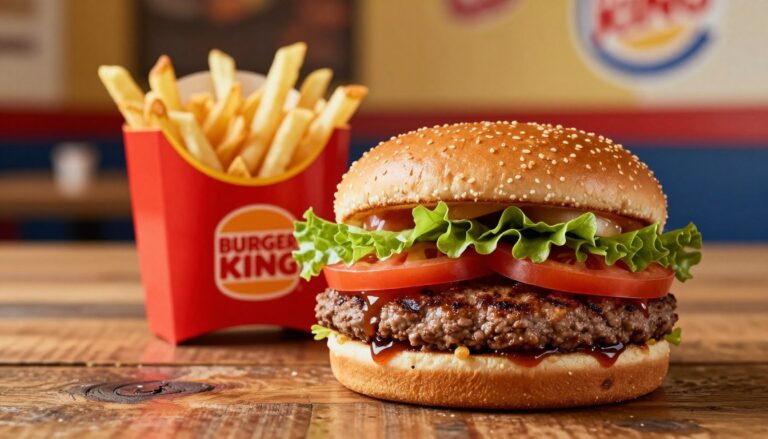
In the United States, burger king does not certify menu items as gluten safe and warns about cross-contact. Many guides note that the potato pieces contain no wheat ingredients but are often cooked in shared fryers.
This short guide is for you if you avoid gluten, manage intolerance, or live with celiac disease. It previews the main takeaway: fries may lack gluten ingredients, yet shared fryer practices can add exposure.
You will find where to check allergen info, what burger king fries usually list, and which risks the chain cannot promise to eliminate. I’ll also give practical questions to ask at the counter or drive‑thru to lower your risk.
What “gluten-free” means at Burger King in the United States</h2>
A menu claim about no gluten ingredients does not always equal safety from cross-contact. At many fast-food restaurants, ingredient lists and kitchen practice are two separate things.
Why Burger King does not certify items as gluten-free in the U.S. is straightforward. Shared prep areas, common utensils, and fryers that also cook breaded items make a firm guarantee hard. Staff change quickly during busy shifts, which raises the chance of accidental contact.
Cross-contact basics
Cross-contact happens when a food without wheat touches a surface, tool, or oil that held wheat. That can be a shared counter, the same tongs, or a fryer that fries breaded chicken one minute and potato pieces the next.
- “No gluten ingredients” = ingredient-level claim only.
- Shared equipment and fast assembly add real cross-contact risk.
- People with celiac disease face higher danger than those with milder intolerance.
| Claim | What it means | Typical risk points |
|---|---|---|
| No gluten ingredients | Recipe lacks wheat-based items | Ingredient list on website or in-restaurant |
| No certification | No promise about kitchen handling | Shared fryers, shared tongs, common counters |
| How it affects you | Varies by allergy, celiac, or intolerance | Ask staff for current allergen information before ordering |
This guide will use official allergen information plus common kitchen realities to help you judge risk and choose safer options at restaurants.
Are Burger King Fries Gluten Free</h2>
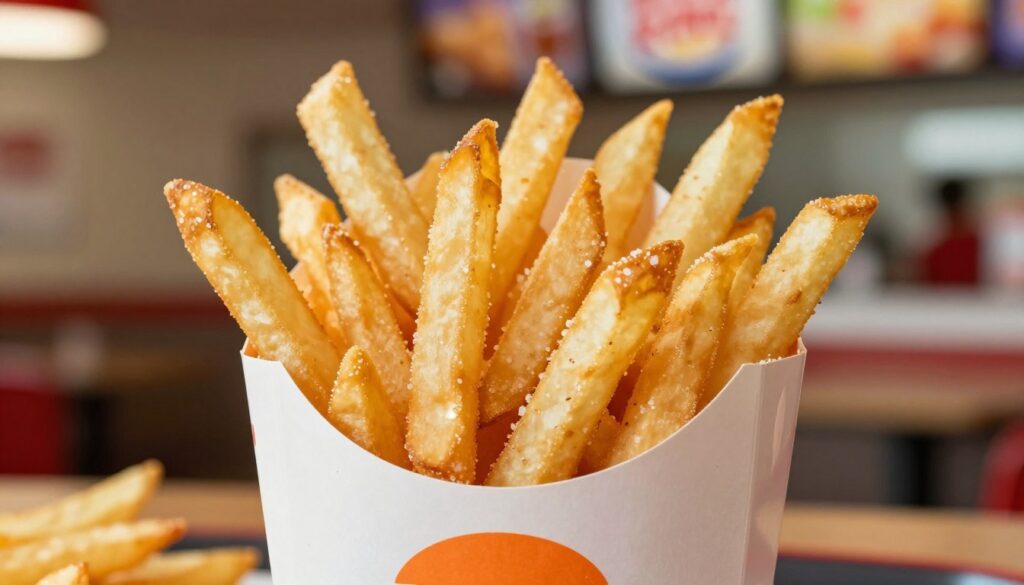
Labels tell one story; what happens in the fryer tells another—and both matter for safety.
What allergen guidance typically says
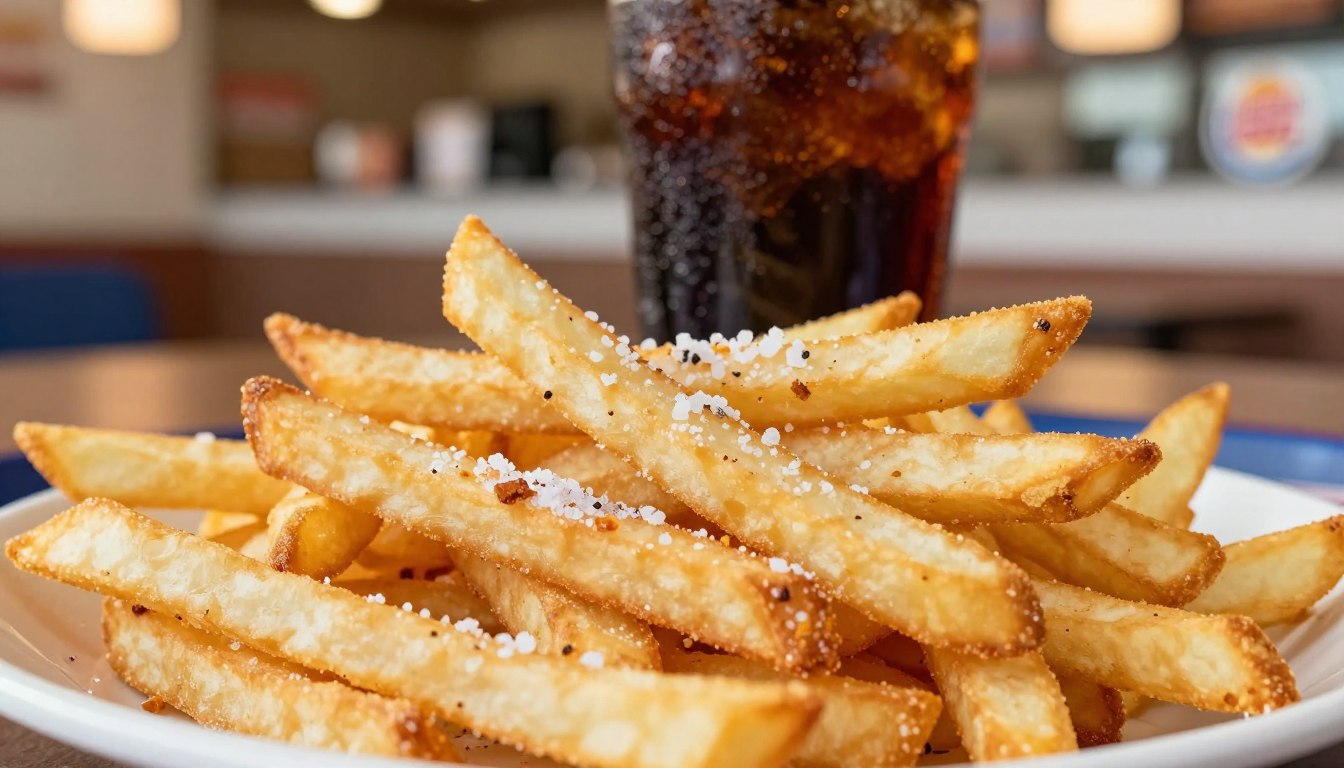
Official allergen pages usually list the potato side as containing no wheat ingredients. That means the recipe itself does not include flour or breading.
For people with mild sensitivity, that can help. For celiac disease, ingredient absence does not guarantee safety.
The shared fryer problem, plain and simple
Many locations cook potato pieces in the same oil used for breaded items. If chicken or onion rings go into that fryer, tiny wheat particles can pass to the next batch.
That cross-contact can change a safe‑feeling order into one that triggers symptoms. What was fried minutes earlier matters.
Why ingredient details vary by location
Franchises use different suppliers and may update recipes without wide notice. Staff turnover and limited in‑store labeling also make confirmation tricky.
Always check the current allergen page and ask staff how the fryer is handled before you order.
- Typical guidance: no wheat ingredients listed, but cooked shared with other items.
- Practical step: review the ingredient breakdown or ask the crew about fryer use.
- If risk feels high, consider lower‑risk options that avoid shared fryers.
| Claim | What it means | Action for you |
|---|---|---|
| No wheat listed | Recipe lacks wheat-derived items | Check label, but verify handling |
| Cooked shared | Same fryer used for breaded food | Ask staff or skip fried sides |
| Location varies | Franchise and supplier differences | Confirm at the counter each visit |
For an in-depth ingredient breakdown, see this summary page: ingredient breakdown. Later sections will give scripts and safer choices if you want to avoid the risk.
How big is the risk for celiac disease vs. gluten sensitivity?</h2>
Your health can hinge on how a location handles frying, not just what’s on the label. That difference matters a lot when you have celiac disease.
When shared fryer cross-contamination becomes a deal-breaker
If a doctor has diagnosed celiac disease, even tiny amounts of gluten can cause harm. You should treat fried items cooked with other breaded foods as high risk.
For people with non-celiac gluten intolerance, reactions vary. Some tolerate minor cross contact. Others get symptoms fast. Ask yourself how strictly your clinician told you to avoid exposure.
- Strict avoidance: celiac disease — high risk from shared fryers and prep areas.
- Variable tolerance: intolerance — some may accept small cross contact, others not.
- Allergy note: if you have a wheat allergy, treat shared equipment with caution.
| Condition | Main concern | Practical decision |
|---|---|---|
| celiac disease | internal damage from trace gluten | avoid shared fryer foods |
| intolerance / allergy | symptoms may appear quickly | ask staff and choose low-handling items |
What’s in the fryer: foods that can contaminate fries</h2>
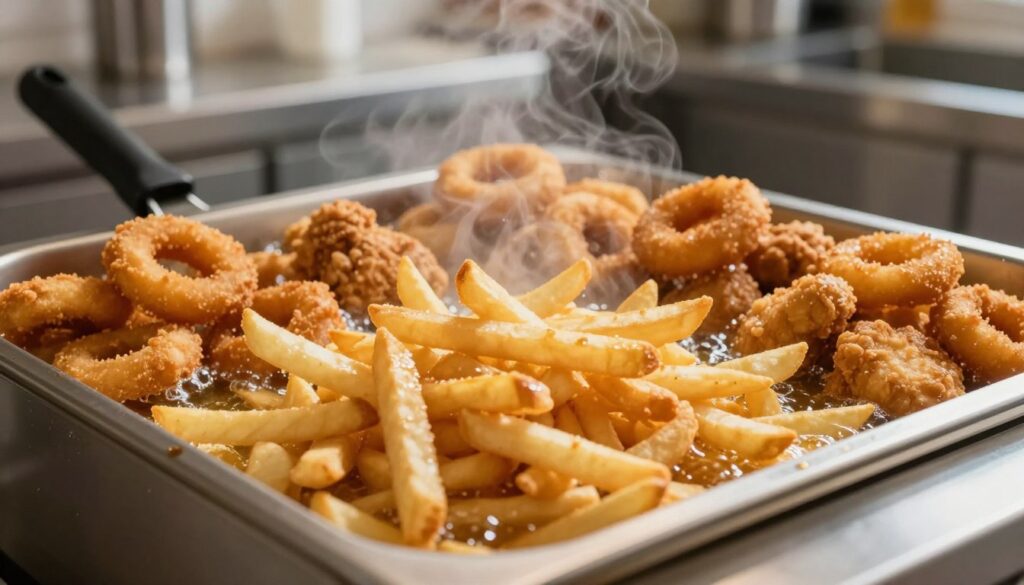
Think of the fryer as a neighborhood—whatever lives nearby can affect your order. A simple side can pick up bits from other products cooked in the same oil. That mix is where most cross-contact happens.
Breaded chicken and onion rings
Breaded chicken items like nuggets and tenders are common culprits. Chicken fries also carry heavy breading and are highly likely to contain wheat.
Onion rings use a batter that often includes flour. When any of these foods go into the same fryer, tiny particles transfer to the oil and then to your fries.
Hash browns and other fried sides
Hash browns may contain wheat flour in some recipes. They can also be cooked in shared oil, creating a dual concern: ingredients and handling both raise exposure.
- Fryer neighborhood: shared oil links many menu items.
- Key offenders: breaded chicken, chicken fries, onion rings.
- Double risk: hash browns may contain wheat and share oil.
| Contaminating item | Why it matters | What to ask |
|---|---|---|
| Breaded chicken | Heavy breading sheds particles into oil | “Are these cooked with the fries?” |
| Chicken fries | Highly likely to contain wheat-based coating | “Do you use a shared fryer for these products?” |
| Hash browns | May contain wheat and share oil | “Are hash browns fried in the same oil?” |
One targeted question will help: “Do the fries have a dedicated fryer, or are they fried with breaded items?” Use that line at the counter to gauge real risk quickly.
Gluten-free menu choices at Burger King beyond fries</h2>
If you want lower-risk items, the menu has several simple swaps that cut exposure. These choices work when you avoid the bun and confirm handling at the counter.
Bunless burgers to order
Order familiar patties without the bun: Whopper, Whopper Jr., Hamburger, or Cheeseburger. Ask for no sauces that contain wheat and request fresh gloves or a clean prep area if you have celiac disease.
Grilled chicken alternative
TENDERGRILL chicken without the bun gives a grilled protein option. It still passes along assembly risk, so ask how staff handle breaded items nearby.
Salad as a safer plate
Garden Fresh Salad with Apple & Cranberry can be a good pick. Skip croutons and verify the dressing. Confirm any toppings are not tossed in shared utensils.
Sweets and drinks
Soft serve in a cup and classic shakes (chocolate, vanilla, strawberry) are often listed with no wheat ingredients. BK Café coffee, plain milk, and many bottled drinks are generally safe. Check add-ins like syrups and sprinkles.
| Item | What to order | Why it may work | Approx. US price |
|---|---|---|---|
| Bunless burgers | Whopper / Whopper Jr. / Hamburger / Cheeseburger (no bun) | Patty-only avoids bread ingredients; watch sauces | $3.49 – $6.49 |
| Grilled chicken | TENDERGRILL (no bun) | Grilled, not breaded; confirm prep handling | $4.99 – $6.99 |
| Salad | Garden Fresh Salad with Apple & Cranberry (no croutons) | Leafy base with fruit; dressings vary—verify label | $3.99 – $5.49 |
| Desserts & drinks | Soft serve in a cup, chocolate shake, BK Café coffee, milk | Milk-based treats and plain drinks often list no wheat ingredients | $1.29 – $3.99 |
Use this short list to build a safer meal. These are lower-ingredient-risk choices, not certified guarantees. Always confirm current handling and ingredients at your location before you eat.
What to avoid if you’re on a gluten-free diet</h2>
Knowing which menu items to skip makes drive-thru decisions faster and less risky.
This short guide names common things to avoid so you don’t have to guess. Keep a small personal avoid list on your phone for travel days and busy stops.
Breads and breakfast items
Avoid buns, croissants, biscuits, English muffins, and breakfast burritos made with wheat tortillas. These clearly contain wheat and often touch shared surfaces.
Breaded and fried products
Skip nuggets, tenders, and onion rings. These breaded favorites contain gluten and are usually fried in shared oil that raises cross-contact risk.
Dessert pitfalls and milk treats
Milk and plain ice cream themselves are usually free of wheat. But shakes with cookie or candy mix-ins, like Oreo or chocolate bits, and pies with wheat crusts can contain gluten.
| Item | Why to avoid | Quick tip |
|---|---|---|
| Buns & pastries | Contain wheat | Order no-bun or skip |
| Breaded fried foods | Contain gluten or share fryer | Choose grilled instead |
| Shakes & pies | Mix-ins or crusts may contain wheat | Ask about ingredients |
How to order at Burger King to reduce gluten exposure</h2>
Ordering smartly can cut your exposure and make a fast‑food stop less risky for people with celiac disease.
Tell staff exactly whether you have an allergy, celiac disease, or intolerance. Use a short script so the crew knows the seriousness. Try: “I have celiac disease. Can you use fresh gloves and a clean surface for my order?” This gives clear instructions and avoids long back‑and‑forth.
Ask direct questions. Say, “Is this cooked shared with breaded items or in a shared fryer?” Ask about sauces and ingredients. Confirm dressings, milk, coffee add‑ins, and any blended drinks to avoid hidden mix‑ins.
Best strategy: skip fried food when you can. Choose bunless sandwiches, grilled choices, or a salad from the menu. These steps lower cross contact risk but do not remove it entirely.
| Request | Why | Sample wording |
|---|---|---|
| Fresh gloves & clean surface | Reduces surface cross contact | “Please use fresh gloves and a clean prep area.” |
| No bun / bun on side | Avoids bread ingredients | “No bun, please. Put the patty in a clean wrapper.” |
| Confirm fryer use | Checks cooked shared oil or shared fryer | “Is this fried in the same oil as breaded items?” |
Making the call: when Burger King fries are worth it—and when to choose something else</h2>
Deciding if a salty side is worth the risk depends on your diagnosis and what you can confirm at the counter.
If you have celiac disease, shared fryers make burger king fries a poor choice. The cross-contact risk is real in many restaurants.
If your intolerance is mild, you might accept the exposure after checking the allergen guide and asking how the oil is used. Trust your past reactions.
Choose safer options when in doubt: apple slices, a salad without croutons, a bunless burger, or soft serve in a cup and bottled drinks.
Use this guide, then confirm the fryer setup in-store. Your safest fast-food pick fits your body, comfort, and how much risk you want to take on a travel day.