Is Firehouse Subs Healthy
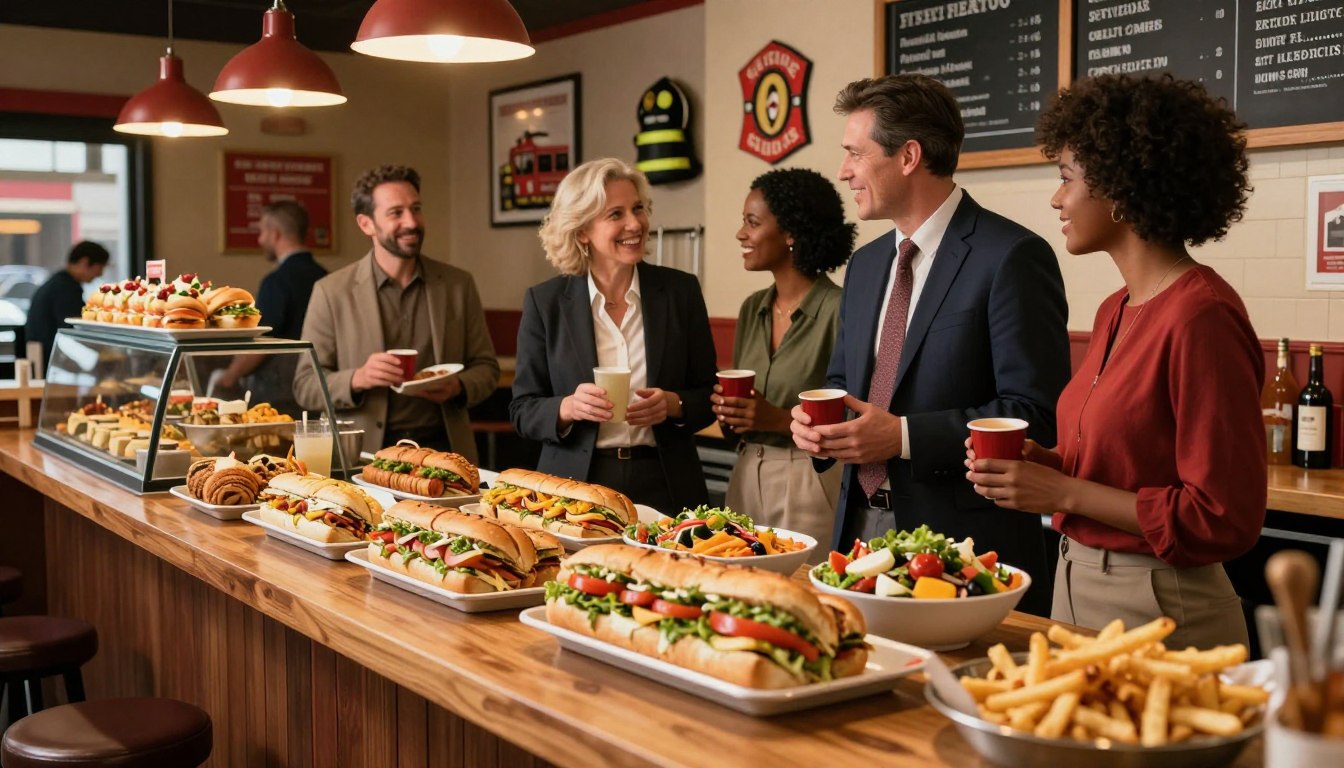
You can eat at firehouse subs and still make a better-for-you pick. The chain lets you build a sandwich by picking protein, toppings, and bread, or choose a specialty sub. Many U.S. locations also offer salads, soups, and sides.
Set expectations up front: most items are higher in sodium. “Healthy” depends on your goal — calories, protein, sodium, or processed meats. Your best choice will change with what you track.
This guide uses a list-style approach. You will see best picks, worst picks, and simple swaps that matter most. Customization is your advantage if you switch bread, skip cheese, or go light on mayo.
Focus is practical. Order a small sub, add veggies for volume, and ask for condiments on the side. Prices and nutrition vary by location and build, so check the brand’s online nutrition and allergen tools to confirm totals before you order.
– You can make better choices at this chain, but watch sodium.
– “Healthy” depends on your personal goals.
– Custom swaps (bread, cheese, mayo) make a big difference.
What “healthy” can mean at Firehouse Subs in the United States</h2>
Ordering with intent — smaller portions, lean protein, fewer dressings — changes the outcome.
Fast-casual, highly customizable subs, salads, soups, and sides
The menu lets you pick protein, toppings, and bread. You can also choose a specialty sandwich or a salad, wrap, or soup. That flexibility gives you control most fast-food places do not offer.
The big tradeoff: protein and calories vs. high sodium
Many builds deliver solid protein and filling calories. At the same time, most items are relatively high in sodium. That tradeoff is the key to defining a better meal.
- “Healthy” here often means a better balance, not perfection.
- Sides like chips or macaroni and cheese can double sodium and calories fast.
- If sodium matters for blood pressure or swelling, be extra intentional with swaps.
| Item type | Typical protein | Sodium note | Simple swap to lower sodium |
|---|---|---|---|
| Specialty hot sub | High (meat-heavy) | Often high | Choose wheat, skip extra cheese |
| Salad or wrap | Moderate to high | Variable | Use vinaigrette on the side |
| Soup or chili | Low to moderate | Can be high | Share a cup instead of a bowl |
| Side (chips/mac) | Low | Raises meal sodium quickly | Pick oven-baked chips or skip side |
Is Firehouse Subs Healthy</h2>
A sandwich stop doesn’t have to wreck your day if you focus on portion and protein.
The short reality check: there are smarter picks, not “health food”
This chain serves comfort food. A registered dietitian, Barbie Cervoni, MS, RD, CDCES, CDN, calls it classic comfort fare and suggests limiting visits unless you pick lean protein and smaller portions.
You can make smarter choices. But many menu items bring high calories, fat, and sodium. Extra cheese, mayo, and processed meats drive totals up fast.
Why portion size changes everything
Size matters more than small tweaks. A small sub may fit your day. A large sub can double or triple calories, fat, and sodium.
- Think portion first: pick a smaller size or split a sub.
- Swap to turkey or grilled chicken for less fat and fewer calories.
- Ask for dressings on the side to control the amount you add.
This is practical guidance, not judgment. Next, you’ll see how items were judged and which subs tend to be the safest bets.
How we judged the menu: calories, fat, sodium, protein, and processing</h2>
We scored the menu by watching key numbers that matter for daily eating choices.
Calories and fat: quick drivers
Calories and fat add up fast when you pick brisket-style beef, salami, or bacon. Stacked cheese and extra slices push totals higher before you add spreads.
Sodium: the main headline
Sodium is the biggest concern. One large sandwich can approach the American Heart Association limit of 2,300 mg. For many with hypertension, 1,500 mg is a safer target.
Protein: a simple satiety check
We used 15+ grams as a practical benchmark. If an item hits that, it will likely keep you full longer. Protein also balances energy on the plate.
Condiments and processing
Mayo and creamy dressings act as stealth calorie multipliers. Processed meats matter for more than calories; they influence long-term choices too. Vegetables add flavor and volume with minimal calories, so load them up.
| Measure | Why it matters | Practical threshold | Quick swap |
|---|---|---|---|
| Calories | Energy balance for the day | Keep servings moderate | Choose small size or extra veggies |
| Fat | Saturated fat rises with brisket and cheese | Avoid extra cheese to cut fat | Skip cheese or use one slice |
| Sodium | Impacts blood pressure and water retention | Stay well under 2,300 mg/day | Pick wheat, ask for no salt |
| Protein | Helps you stay full | 15+ g per meal | Pick turkey or grilled chicken |
Best hot specialty subs when you want the “least dietetically disastrous” pick</h2>
When you want a hot specialty sub that won’t blow your day, pick a smaller size, whole-wheat bread, and controlled toppings. These choices keep calories and sodium lower while still giving you a warm, satisfying meal.
Engineer on wheat — turkey breast and simple swaps
The engineer (Small Wheat) is a top hot pick. Nutrition for the small: 350 calories, 18g fat, 19g protein, 1,150mg sodium. You can cut fat by ordering no Swiss or skipping mayo.
Add extra veggies for crunch. That boosts volume without many calories. This keeps the build filling and balanced.
Spicy Cajun Chicken — grilled chicken with caution around Cajun mayo
The spicy cajun chicken uses grilled chicken breast and delivers good protein. Ask for light Cajun mayo or mayo on the side. Most of the extra calories and fat come from the sauce, not the chicken.
Hook & Ladder — smoked turkey breast, honey ham, and a sodium note
The hook ladder pairs smoked turkey breast with honey ham and plenty of veggies. It’s a crowd-pleaser but can climb in sodium depending on size and add-ons. Choose small and skip extra cheese when sodium matters.
- Decision rule: small + wheat + light mayo + veggies.
- Pair with water and a lighter side or no side to control overall sodium.
| Sub | Typical protein | Calories (small) | Sodium note |
|---|---|---|---|
| Engineer (wheat) | Turkey breast | 350 | 1,150 mg — lower if no Swiss/mayo |
| Spicy Cajun Chicken | Grilled chicken breast | Moderate | Watch Cajun mayo for added fat and sodium |
| Hook & Ladder | Smoked turkey breast + honey ham | Moderate to high | Can be sodium-heavy; pick small and veggies |
Best cold subs for leaner cravings</h2>
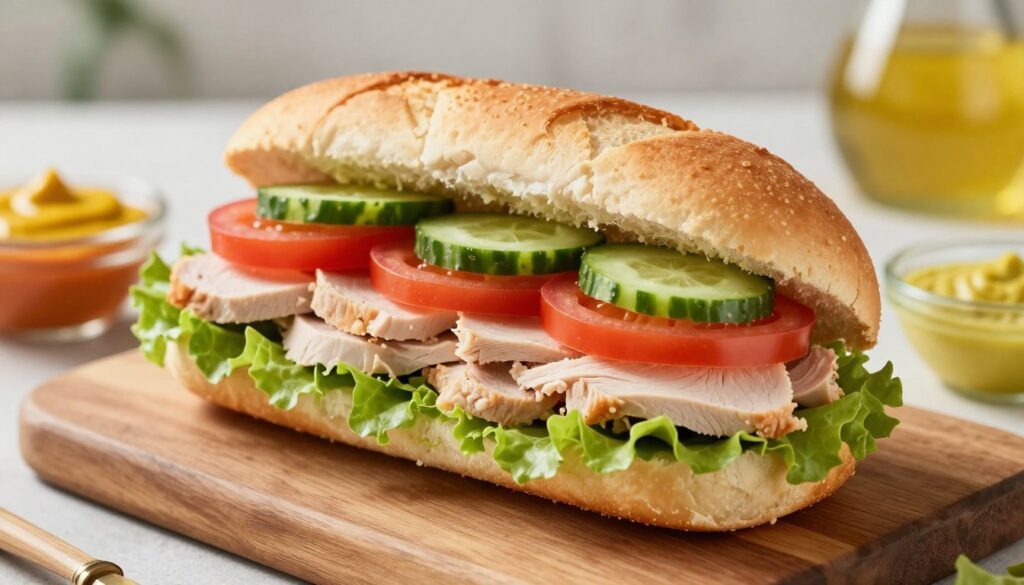
A smart cold sub starts with lean meat, crisp veggies, and minimal mayo. That simple formula keeps the sandwich filling without piling on calories or fat.
Smoked Turkey Breast: a reliable lean option
Smoked turkey breast is the steady pick when you want familiar flavor and solid protein. A small wheat smoked turkey breast lists about 340 calories, 17g fat, 18g protein, and 1,110mg sodium. Vegetables add crunch and fiber with almost no calories.
Grilled Chicken Breast: choose toppings carefully
Grilled chicken gives lean protein if you skip heavy sauces. Ask for light mayo or vinaigrette on the side. White bread or wheat both work; wheat adds fiber and a bit more satiety.
Virginia honey ham: tasty but watch the sugar and sodium
Virginia honey ham can seem light, yet the honey glaze raises sugar and sodium. In small sizes it can still be moderate, but larger portions increase both quickly.
- Build tip: wheat bread, light mayo, extra lettuce and tomato.
- Remember: a cold sub does not guarantee low sodium—meat and portion matter most.
Build-your-own subs: the easiest way to make Firehouse Subs healthier</h2>
A do-it-yourself sub is the simplest way to keep a meal lighter while still satisfying. You control the protein, toppings, and sauces. That control is the real advantage on the menu.
Choose lean proteins first
Pick turkey breast or grilled chicken for steady protein with fewer calories. These protein choices keep the sandwich filling and help limit added fat.
Vegetables add bulk, not calories
Load up on lettuce, tomato, onion, and cucumbers. Vegetables add crunch and fiber. They help you feel full without increasing fat or sodium.
Mind the cheese and high-fat extras
One or two slices of cheese can add 100+ calories on a medium sandwich. If you love cheese, keep it and skip mayo. Avoid bacon and heavy spreads when you want a lighter sub.
- Start: pick turkey breast or grilled chicken.
- Then choose bread, toppings, and sauces.
- Vegetables first, sauces last.
| Choice | Why it matters | Quick tip |
|---|---|---|
| Turkey breast | Lower calories, solid protein | Pair with extra vegetables |
| Grilled chicken | Lean protein, versatile flavor | Ask for vinaigrette on the side |
| Cheese | Raises calories and fat quickly | Limit to one slice or skip |
Bread choices that impact your nutrition: wheat vs. white bread</h2>
Start with the bread choice — it sets the nutrition tone for the whole sub. The roll you pick affects sodium, calories, and how large the sandwich seems. Small swaps often give the biggest wins.
Why wheat can be lower in sodium than white at Firehouse
Wheat often carries less added salt in the dough and can cut sodium by a few hundred milligrams on certain builds. For example, switching a Jamaican jerk turkey from white bread to wheat can reduce sodium by roughly 300 mg. That is an easy move if you watch sodium.
When a smaller sub on wheat beats a large sub “made healthier”
Portion matters most. A small sub on wheat usually beats a large one you try to fix with light mayo and extra veggies. Decide amount first, then pick bread, then add toppings.
- Bread choice affects carbs and satiety; wheat plus veggies feels more filling.
- If you dislike wheat, downsize the white bread order and skip heavy add-ons.
- Pick portion, then bread, then sauces to keep totals predictable.
| Choice | Typical change | Quick benefit |
|---|---|---|
| Wheat roll | Lower sodium in many builds | Feels fuller with same calories |
| White bread | Slightly higher sodium on some recipes | Choose smaller size to match nutrition |
| Small sub on wheat | Lower overall sodium and calories | Best simple option |
Worst hot subs to limit if you’re watching calories, fat, and sodium</h2>
Some hot sandwiches are pure comfort, but a few deserve only occasional orders when you track calories and sodium.
The smokehouse beef cheddar brisket is the clearest example. A large on white lists about 1,500 calories, 102g total fat, 33g saturated fat, and 3,020mg sodium. Brisket plus cheddar and rich sauces creates a heavy total before you add a drink or side.
Why the italian sub often tops sodium lists
The italian sub stacks salami, pepperoni, ham, cheese, and dressings. Processed meats and added oil make sodium climb fast. That makes it one of the biggest sodium standouts.
Comfort traps: meatball and steak-and-cheese styles
The sweet and spicy meatball is tasty, but meatballs, marinara, and melted cheese push saturated fat and sodium up quickly. Steak-and-cheese sandwiches follow the same pattern—higher fat and higher sodium even when they seem simple.
- If you crave one, pick a small size.
- Choose wheat when available.
- Save half for later to cut calories, fat, and sodium in one sitting.
| Sub | Why limit it | Large example |
|---|---|---|
| Smokehouse Beef & Cheddar Brisket | High calories, high fat, very high sodium | 1,500 cal · 102g fat · 3,020mg sodium |
| Italian Sub | Processed meats stack sodium | Variable · often very high sodium |
| Sweet & Spicy Meatball | High saturated fat and sodium | Moderate–high calories · high sodium |
Worst cold sub pick that surprises people: tuna salad</h2>
Tuna often feels like a light choice, but the salad version can pack a surprising punch. The mix of canned tuna and a mayo-heavy spread turns a simple sandwich into one of the largest calorie and fat loads on the menu.
How mayonnaise turns tuna into a high-calorie, higher-fat sandwich
Mayonnaise is the main culprit. A mayo-rich tuna salad adds fat and calories quickly while making the filling creamy and dense.
Example: a Large white tuna salad lists about 1,540 calories, 97g fat, 18g saturated fat, and 3,030mg sodium. Those totals show how a cold sub can be unexpectedly heavy.
Smarter workaround: downsize and swap spreads
Portion control is the fastest win. Dropping to a small tuna salad sub saves more than 1,000 calories and nearly 2,000mg sodium on many builds.
- Order small first; split a medium if you want more to share.
- Ask for light mayo or request mustard, vinegar, or a vinaigrette-style dressing instead.
- Load extra veggies for volume and crunch without added fat.
| Action | Why it helps | Effect |
|---|---|---|
| Downsize to small | Reduces portion-linked totals | Saves ~1,000+ calories and ~2,000mg sodium |
| Light mayo or swap | Lowers fat and calories per bite | Maintains flavor with fewer calories |
| Extra veggies | Adds fiber and volume | Greater satiety, same protein |
Salads at Firehouse Subs: healthier than a sub, or just different?</h2>
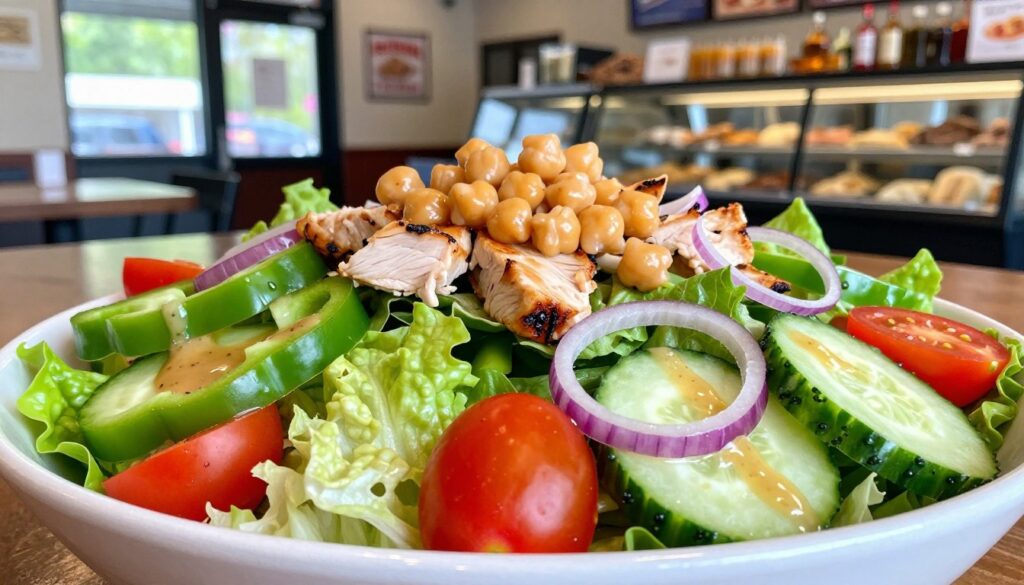
A salad can reset the meal—more greens, less bread, and a different kind of satisfaction. Salads give volume with fewer carbs. They also change the key tradeoffs you watch.
Firehouse Salad with smoked turkey
The Firehouse Salad (no meat) is about 260 calories, 10 g protein, and 1,240 mg sodium. Add smoked turkey breast for lean protein. Ask for olive oil and vinegar to keep dressings simple.
Italian with grilled chicken
The Italian with grilled chicken can deliver big protein—around 39 g—but it can hit 1,580 mg sodium. Meats and cheese in that build raise salt even without bread.
Hook & Ladder salad options
Choose turkey for lower fat and milder sodium. Pick ham and you trade flavor for a bit more saturated fat and salt. Protein choice shifts both taste and totals.
- Treat dressing like a topping—ask for it on the side.
- If calories are the goal, salads often help.
- If low sodium matters, customize meats and skip extra cheese.
| Salad | Calories | Protein | Sodium |
|---|---|---|---|
| Firehouse (no meat) | 260 | 10 g | 1,240 mg |
| Italian + grilled chicken | 410 | 39 g | 1,580 mg |
| Firehouse + grilled chicken | 380 | 57 g | 1,690 mg |
Soups and chili: warm sides that can still bring a sodium hit</h2>
Adding soup or chili makes a sub lunch feel like a full meal without much fuss. These warm choices are great on cold days or when you want a heartier lunch on the road.
Chicken noodle soup: low calories, but not low sodium
A 10 oz cup of chicken noodle soup is light on calories—about 120—but the sodium sits near 1,030 mg. Fat is low at 2 g and protein around 8 g.
That makes it an easy comfort pick, but watch the salt if you add a full sandwich or chips with it.
Chili: heartier macros with better protein-to-sodium balance
Ten ounces of chili runs roughly 300 calories, 15 g fat, 18 g protein, and about 850 mg sodium. It gives more staying power and protein than a broth-based soup.
Compared with many large sandwiches, chili can be a reasonable tradeoff for protein and calories depending on how you build your order.
Broccoli and cheese: creamy flavor where fat and sodium climb fast
Broccoli and cheese is a tasty vegetarian option, but its cheese and cream base raises fat and sodium quickly. Have it occasionally or choose a smaller serving to keep totals sensible.
- Treat soup as a cozy side, not an automatic extra—pair wisely.
- If you add soup, consider a smaller sandwich or skip chips so the whole meal stays balanced.
- Choose broth-based soup for lower fat; pick chili for more protein if sodium is less of a concern.
| Item | Calories (10 oz) | Fat | Protein | Sodium |
|---|---|---|---|---|
| Chicken Noodle | 120 | 2 g | 8 g | 1,030 mg |
| Chili | 300 | 15 g | 18 g | 850 mg |
| Broccoli & Cheese | Varies | Higher | Moderate | Higher |
Soups and chili are solid options when you want extra comfort from your food. Just remember the sodium tradeoffs and pair items to fit your day.
Sides and extras that decide whether your meal stays balanced</h2>
Sides often decide whether a modest sandwich stays light or becomes a full-on indulgence. Pick wisely and your lunch stays satisfying without overdoing sodium or fat.
Oven-baked chips vs regular chips: the simplest swap
Choose oven-baked chips when you want crunch with fewer calories and less fat. Lay’s Oven-Baked Chips run about 130 calories, 2 g fat, and 150 mg sodium. Regular chips add roughly 100 more calories and more fat.
Macaroni and cheese: comfort side with a high sodium ceiling
Mac and cheese is pure comfort food. A serving is about 380 calories, 20 g fat, 10 g saturated fat, and 1,400 mg sodium. Split it or save half for later if sodium or fat matters to you.
Ladder fries with bacon and cheese: when a side becomes the main event
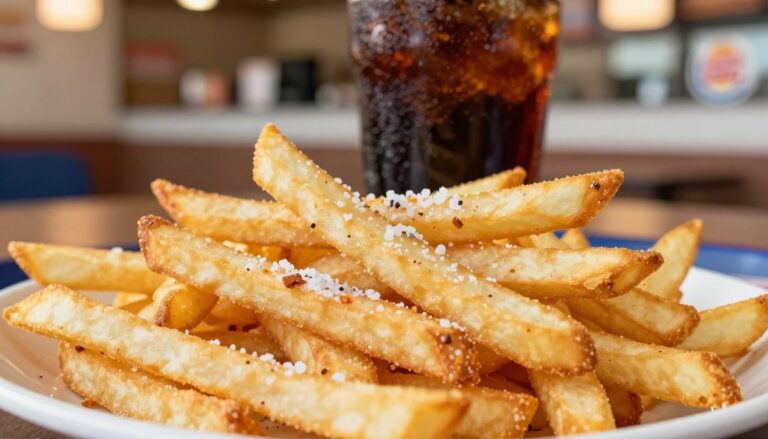
Ladder fries with bacon and cheese can eclipse the sandwich. Paired with an already salty sub, this side often turns the meal into a heavy, high-sodium plate.
- Sides are where a reasonable order can balloon quickly.
- If your sandwich has cheese and mayo, keep the side light.
- If your sub is small and lean, you have more wiggle room to enjoy richer options.
| Side | Calories | Fat | Sodium |
|---|---|---|---|
| Lay’s Oven-Baked Chips | 130 | 2 g | 150 mg |
| Regular potato chips (approx.) | 230 | 10 g | varies |
| Mac & Cheese | 380 | 20 g | 1,400 mg |
| Ladder Fries w/ Bacon & Cheese | High | High | Very high |
Check nutrition content online as you build a combo. Small add-ons add up faster than you think, so use lighter options to keep the plate balanced.
Ordering tactics to cut sodium, calories, and fat without sacrificing flavor</h2>
Sizing and sauces are the fastest levers to make a sandwich kinder to your day. Start by picking the size before you add anything else. A small sub, splitting a medium, or saving half trims calories, fat, and sodium in one move.
Pick a small sub, split a medium, or save half for later
Say this at the counter: “Small on wheat, please — or a medium I’ll split.” That script sets the amount and keeps totals predictable.
Skip or go light on mayo, and rethink “extra cheese”
Ask for mayo light or on the side. Treat extra cheese as an occasional add-on, not the default.
Use mustard, vinegar, and vegetables for punch
Mustard, vinegar, and lots of vegetables add flavor with little fat. Pick two to three favorite toppings instead of loading everything.
Hydration matters: why water helps when sodium is high
If your order is salty, choose water. It helps you feel better afterward and balances the day.
- Order script: size first, protein second, sauces on the side.
- Limit mayo and reserve cheese for a treat.
- Choose 2–3 toppings for real flavor without extra sodium or fat.
| Move | Quick benefit | Why it works |
|---|---|---|
| Small sub or split medium | Lower calories & sodium | Portion control cuts totals at once |
| Light mayo / sauce on side | Reduce fat | Controls how much you add |
| Mustard, vinegar, vegetables | Big flavor, low calories | Toppings add crunch without much salt |
You don’t need a perfect order. Aim for smarter choices most of the time and your next meal will feel better.
Options for common dietary needs: gluten-free and vegetarian</h2>
Some dietary needs can be met at the counter, but you’ll need to plan and ask a few questions first.
Gluten-free ciabatta roll and cross-contamination reality
The chain offers a gluten-free ciabatta roll as an option. That roll gives people who avoid gluten a clear choice for a sub.
Keep expectations realistic. Sandwiches are made on shared counters. Cross-contamination can occur. Tell staff about your allergy and ask how they handle prep.
Veggie sub strategy: load vegetables, rethink cheese
Build a veggie sub packed with lettuce, tomato, and onion to add bulk with few calories. Extra vegetables add flavor and fiber.
Cheese can turn a light meal into a heavier one, especially with creamy sauces. Skip or limit slices to keep the order leaner.
When this menu struggles: strict low-carb, low-FODMAP, or vegan plans
Strict low-carb, low-FODMAP, and fully vegan diets are hard to follow here. Bread and limited plant-only proteins make compliance difficult for some food plans.
| Need | Realistic fix | Limitation |
|---|---|---|
| Gluten-free | Gluten-free ciabatta roll | Cross-contact on shared line |
| Vegetarian | Veggie sub or salad | May be high in sodium |
| Vegan/Low-carb | Limited options | Not ideal without major swaps |
Use the interactive menu tools to check ingredients and sodium before you order. Ask staff about prep to make choices that fit your needs.
Food allergies and ingredient transparency: how to order more safely</h2>
Before you arrive, use the brand’s interactive allergen menu to filter items by common triggers. The tool lets you screen 14 allergens so you can view safe choices in advance.
Use the interactive allergen menu and filter by top allergens
Start online and narrow the menu to match your needs. That gives you clear options and saves time at the counter.
Ask about prep practices: shared counters and glove changes
The company is transparent: ingredients and nutrition content are posted online. Still, sandwiches are made on shared surfaces. Cross-contact is a real risk.
Ask staff if they can change gloves and use a clean area for your order. If they cannot, consider a different choice that lowers exposure.
Build-your-own orders to control ingredients and reduce risk
Custom builds let you exclude a problematic cheese, meat, or sauce. Pick simple proteins, fresh vegetables, and request sauces on the side to cut risk.
- Use the online filter before you go.
- Ask staff about glove changes and clean prep space.
- Choose a build-your-own sub to control ingredients.
- Skip higher-risk items if you have severe sensitivity.
- Double-check allergen and nutrition content each visit; recipes and suppliers change.
| Action | Why it helps | Risk level |
|---|---|---|
| Check interactive allergen menu | Shows filtered safe items before arrival | Low |
| Ask about prep and glove changes | Reduces chance of cross-contact during build | Medium |
| Build-your-own sub | Controls ingredients and avoids specific allergens | Lower |
| Verify updated online content | Ensures current ingredient and supplier info | Low |
Your safety depends on how sensitive you are. If cross-contact is a serious concern, choose from the filtered list or skip higher-risk sandwich items entirely.
So, should you eat at Firehouse Subs if you’re trying to be healthy?</h2>
A mindful order and a small portion turn many menu favorites into manageable meals.
You can eat at firehouse subs while aiming for balance, but do it with intention. Pick a small sub, choose smoked turkey breast or grilled chicken, and ask for mayo or cheese light. Load extra vegetables and take wheat when possible.
Sodium is the menu’s biggest drawback, so plan lighter snacks or dinner if you order salty items. Use the brand’s menu and nutrition tools to compare builds before you buy.
Best-case order: small wheat sandwich with turkey breast, lots of veg, mustard or vinegar, water, and oven-baked chips. Treat the richest sandwiches as occasional meals—downsize or split them. With smart swaps and portion control, you don’t have to give up comfort food to eat more thoughtfully.