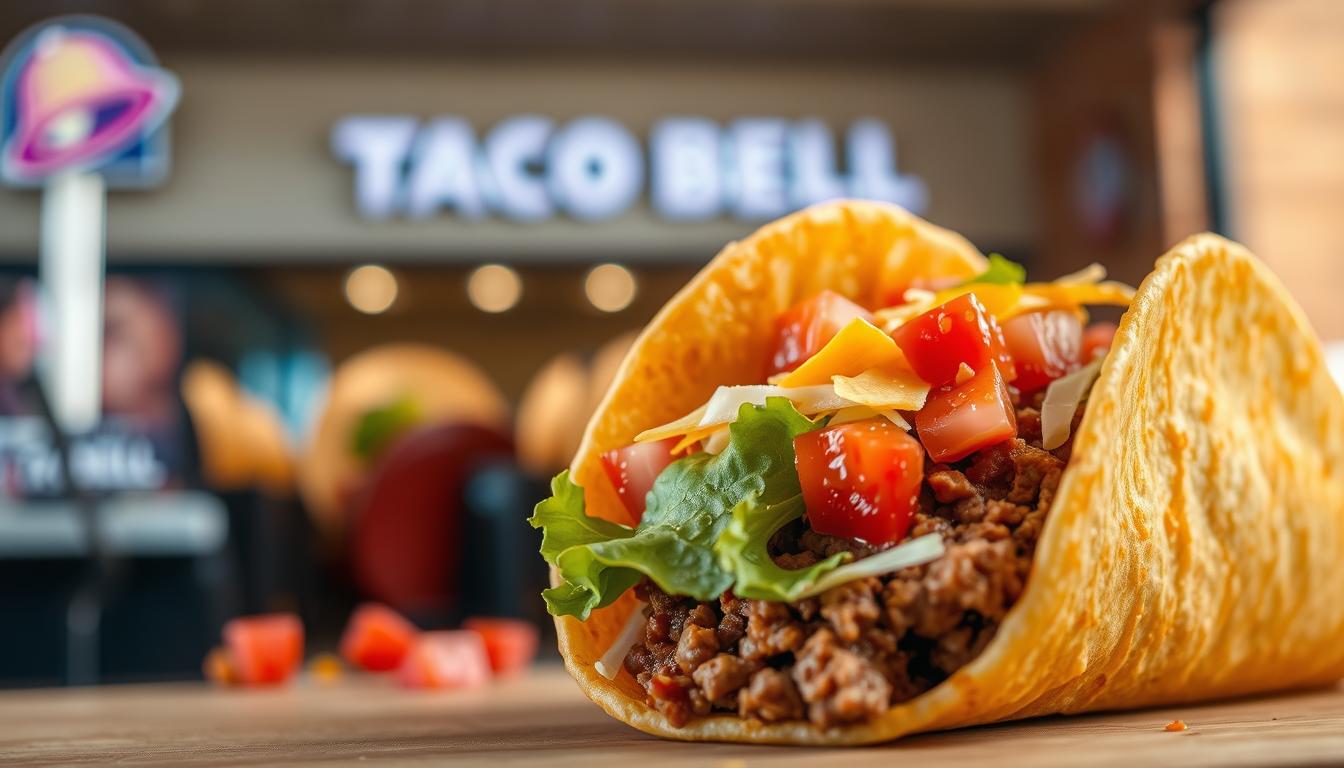
does taco bell use real meat
This product review focuses on Taco Bell’s seasoned beef served in the United States. I will examine the ingredient list and the company’s public statements to settle the long-running “mystery meat” talk. The goal is clear: explain what the label shows and what it means for the taco experience.
In fast food, seasoned beef usually means primary beef plus added water, spices, and functional ingredients that keep flavor and texture consistent across locations. Taco Bell has publicly stated its seasoned beef contains 88% USDA-inspected quality beef and 12% seasonings, spices, water, and other ingredients that provide taste, texture, and moisture.
What you will learn: the ingredient categories (seasoning blend, flavor boosters, and texture/moisture helpers), why they are used, and how they affect the final taco. This review is limited to the US seasoned beef product used in core menu items. Later, I’ll note how to verify ingredient details on Taco Bell’s website and in nutrition disclosures.
Does taco bell use real meat in its seasoned beef?
Let’s cut to the chase: the seasoned beef on the menu lists beef as its primary ingredient, plus other added components.
The short answer based on Taco Bell’s disclosed recipe and nutrition info
Yes — according to the company’s public statement, the seasoned beef formulation is 88% USDA-inspected quality beef and 12% seasonings, spices, water, and other ingredients. Nutrition pages also show the top three ingredients as beef, water, and seasoning.
What “real” means in fast food ground beef vs. “pure ground beef”
In practical terms, USDA-inspected beef remains beef even when blended with water, salt, and binders to make a finished seasoned beef product. That differs from “pure ground beef,” which would contain only beef and no added functional ingredients.
- Chain restaurants often add water and spices for consistent flavor and texture across locations.
- Seasoned beef is a recipe-style product; pure ground beef is a single-ingredient product.
- For full ingredient details and updates, consult the company nutrition page or the detailed write-up on the truth about seasoned beef.
| Profile | Seasoned beef | Pure ground beef |
|---|---|---|
| Main ingredient | USDA-inspected beef (primary) | Beef only |
| Common additives | Water, spices, stabilizers | None |
| Purpose | Consistency and flavor | Unaltered protein |
Confusion stems from expectations: some consumers assume “ground beef” equals single-ingredient protein. In reality, restaurant recipes often include modest added ingredients to hold moisture and deliver a predictable product.
Up next, I’ll break down that 12%—what’s inside, why it’s there, and how it affects flavor, texture, and nutrition. Remember that formulations can change, so check the company site for the latest ingredient list.
Inside Taco Bell beef: what “seasoned beef” is made of
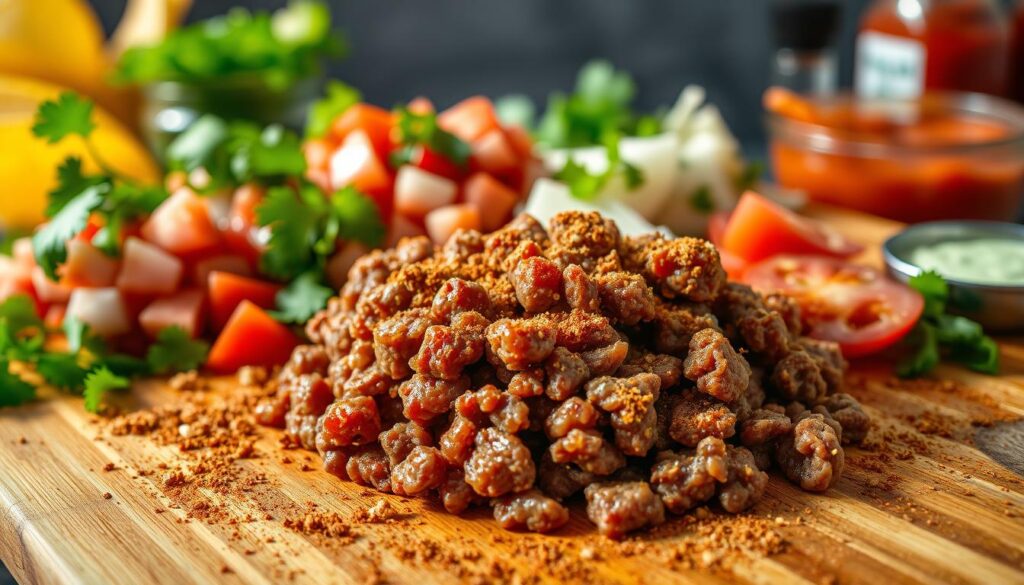
This section explains the ingredient mix listed in the company’s public statement about its seasoned beef. The 88% ground beef figure comes from that 2011 disclosure and represents a recipe ratio, not a mystery.
The 88% ground beef claim and where it comes from
Taco Bell attributed the 88% number to USDA‑inspected beef as the primary component. That leaves roughly 12% for added components that shape taste and handling at scale.
What’s in the remaining 12%
The leftover share breaks down into three groups:
- Water for moisture and cooking yield.
- Seasoning and spices — chili pepper, salt, tomato powder, onion powder, garlic powder.
- Functional ingredients — oats, modified corn starch, cellulose, citric acid and starches.
Flavor boosters and food science
Natural flavors (including smoke notes) and torula yeast add savory depth. Sodium phosphates and starch help retain water and maintain texture during holding and reheating.
| Category | Examples | Why included |
|---|---|---|
| Seasoning | Chili, tomato powder, salt | Signature taste |
| Enhancers | Torula yeast, natural flavors | Umami and smoke |
| Binders | Oats, modified starch | Moisture and texture |
Small amounts of sugar and cocoa exist to round flavor; they add depth, not sweetness. Together these ingredients explain why seasoned beef tastes different from plain ground beef at home.
The lawsuit that sparked the “mystery meat” talk—and what happened after
Public curiosity spiked in 2011 after an Alabama firm filed a claim about what was inside Taco Bell’s seasoned beef. The suit alleged the chain’s product contained far less beef than advertised — reports cited roughly 35% beef. That claim created a wave of headlines and online debate.
The 2011 false advertising claim alleging low beef content
An Alabama law firm (Beasley Allen) argued the restaurant marketed a product as “beef” despite low composition. Media coverage and social sharing amplified the story, turning an ingredient dispute into a long‑running mystery narrative.
Taco Bell’s public response and why the suit was dropped
The company responded with clear figures: seasoned beef is 88% USDA‑inspected beef and 12% seasonings, water, and other ingredients. After those disclosures, the firm withdrew the suit and the controversy faded from headlines, though the phrase “mystery meat” stuck in pop culture.
- The suit targeted labeling and composition, not a claim that non‑beef fillers replaced beef.
- Public communications and ingredient transparency helped the company defend its product.
| Issue | Claim | Outcome |
|---|---|---|
| Beef percentage | Alleged ~35% beef | Company cited 88% beef; suit dropped |
| Impact | Viral headlines | Reputational attention; later cooled |
For contemporary context and coverage from the time, see the NPR write‑up on the mystery meat reporting: mystery meat reporting.
Is Taco Bell meat “filler”? How additives change taste, texture, and consistency
When an ingredient list shows oats, starch, or yeast, it can worry shoppers. Those additions are often functional ingredients, not attempts to replace primary protein.
Why water and seasoning are standard in a ground recipe
Water helps move seasoning through the mix and keeps the product juicy during cooking and hold time. Small amounts of seasoning and spice powder build a consistent signature flavor across locations.
How oats, starch, and yeast affect mouthfeel and umami
Oats and modified starch act as binders. They reduce crumbliness and retain moisture so the texture stays stable under heat.
Yeast extracts, such as torula yeast, add savory depth. They boost perceived beefiness and round out flavor without adding more protein.
- Filler vs. functional: binders and flavor enhancers support quality, not replace beef.
- These ingredients aid reheating, shelf life, and consistent taste across outlets.
| Ingredient | Function | Effect on final product |
|---|---|---|
| Water | Moisture carrier | Juiciness, seasoning dispersion |
| Oats / Starch | Binder, texture | Softer mouthfeel, less crumble |
| Yeast / Natural flavors | Umami enhancement | Richer, more savory taste |
Bottom line: if you want unaltered ground beef, this seasoned formulation differs. That difference reflects common food manufacturing choices to deliver consistent flavor, texture, and performance across many restaurants.
How to check ingredients and allergens for Taco Bell menu items in the US
If you have allergy concerns, the fastest route is the brand’s ingredient and nutrition pages on the company website. Those pages list the top ingredients and a full ingredient statement for each menu item, including any sub-ingredients inside a seasoning blend.
Find current ingredient lists on the website
- Open the restaurant website and go to Nutrition or Ingredients in the main menu.
- Search the menu or enter the item name (for example, a taco or Crunchwrap) to view its ingredient line and nutrition facts.
- Read the ingredient statement: the first items usually show the primary protein, then water, then seasoning.
What to check for soy, oats, sodium, and spices
Look inside the seasoning entry for sub-ingredients like soy lecithin or hydrolyzed soy protein. Those names indicate soy presence and matter for allergies or avoidance.
Oats may be listed as a binder or under modified starches. If you avoid oats, search the item page for “oats” or contact customer service for cross-contact details.
For sodium concerns, compare the nutrition panel. Salt and sodium-containing additives can raise the total number shown per serving.
Spotting seasoned beef across the menu
| Menu item | Common protein | Note |
|---|---|---|
| Hard-shell taco | Seasoned beef | Beef listed first, seasoning as blend |
| Crunchwrap Supreme | Seasoned beef | Same seasoned formulation used |
| Mexican Pizza | Seasoned beef | Ingredient page shows blend and sub-ingredients |
- Confirm items individually — recipes vary by product and time.
- Re-check the website before ordering if you have strict allergen needs.
- When in doubt, ask staff or call customer support for up-to-date info.
So, what’s the real story behind Taco Bell’s seasoned beef?
Think of the seasoned beef as a restaurant recipe: primary beef mixed with a defined seasoning blend and a few functional ingredients for consistent food quality.
The company’s disclosure points to 88% USDA‑inspected beef plus spices such as garlic, chili, pepper and tomato powder. Ingredients like sugar, citric acid and yeast help balance flavor and boost savory notes.
This product is not pure ground beef. It aims to deliver predictable texture, moisture retention, and the familiar profile diners expect across locations.
If you prefer control, recreate the recipe at home. If you want convenience, check the website for current ingredients before ordering and weigh priorities like sodium, allergens, and flavor.