90s taco bell menu
You remember the late-night runs and the paper wrappers. Longtime fans still talk about the returns and the losses that shaped those memories.
This intro sets the scene for what we mean by the 90s era at Taco Bell. You’ll get a clear list: what people ordered, why they miss it, and what to order now to get close.
We’ll separate permanent staples from limited tests and one-off drops. That way you can tell a classic from a trial item. We also cover big fan favorites like the Gordita Supreme, Double Decker Taco, Enchirito, Fiesta Taco Salad, and the Grilled Steak Soft Taco.
Practical tips are ahead. Expect a simple price-table you can fill using the Taco Bell app or local boards. You’ll also find ordering hacks to recreate textures — crunch plus soft wrap, beans as binder, and sauce swaps.
For background on the brand’s nostalgic test, see this brief note about their Decades Menu concept bringing fan favorites back.
Why the ’90s Taco Bell era still hits different
There’s a specific kind of hunger that only a late-night drive-thru satisfied back then. The mix of cheap options, messy builds, and small-group rituals made certain orders feel unforgettable.
Late-night nostalgia, limited-time drops, and fan heartbreak
Late-night culture turned simple snacks into shared memories. You chased value deals and the messy, comforting combos that were cheap and filling.
Special releases came and went. That created urgency. Fans learned to love fast and grieve later. The modern Decades Menu throwbacks tap that exact feeling. They’re limited time and often gone before fans finish reminiscing.
How the menu kept changing even in the “golden years”
The brand tested new builds, shells, and cheese-heavy ideas all the time. Some items stuck. Others vanished. That pattern made the decade feel like a highlight reel of experiments and hits.
Practical note: later sections will help you tell core staples from short-run experiments. You’ll learn which orders were mainstays and which were nostalgia-driven promotions.
What counted as “the ’90s Taco Bell menu” (and what didn’t)
What people call classic often mixes long-running staples with short, buzzy experiments. You need clear rules to separate the two. This helps you know what might return and what was only a moment.
Permanent staples vs. limited runs
Permanent-ish items were available nationwide for months or years. They shaped routine orders and showed up in drive-thru habits.
Limited time test items were often regional or seasonal. They created hype but rarely became permanent.
- Rules for the list: items broadly available in the 1990s plus high-impact releases.
- How to tell: longevity, national reach, and whether ingredients still exist in stores.
- Ordering tip: if the ingredients remain, you can often hack a close substitute in-app or at the counter.
Discontinued vs. short-run promos
“Taco bell discontinued” means an item once ordered nationwide and then removed. “Short-run promos” were never meant to last.
| Type | How to spot | Best workaround |
|---|---|---|
| Permanent | Long run; national | Order direct or use current swap |
| Limited | Short buzz; regional | Hack with existing ingredients |
90s taco bell menu favorites fans still talk about
Certain items from that era keep showing up in conversations and cravings. Below is a quick greatest-hits list so you can spot the orders you loved most.
- Gordita Supreme
- Double Decker Taco
- Enchirito
- Fiesta Taco Salad
- Grilled Steak Soft Taco
Gordita Supreme and flatbread comfort
The Gordita Supreme used a warm flatbread shell to hold seasoned ground beef, sour cream, lettuce, tomatoes, and shredded cheese. The thicker shell changed each bite. It felt bigger and softer than a standard taco and held up to messy fillings.
Double Decker and the refried beans trick
Released in 1995, the Double Decker combined a soft tortilla with a crunchy shell. Refried beans acted as edible glue to keep the layers together. The result was soft + crunch in one neat handhold.
Enchirito drama and comebacks
The Enchirito was smothered and saucy, rich with cheese and a savory red sauce. Its 1993 removal sparked major backlash and later returns. That history keeps talk of taco bell discontinued items alive.
Fiesta Taco Salad and the fried-shell illusion
It felt “healthy” but arrived in a deep-fried shell. Inside were beef, beans, cheese, sour cream, and lettuce. The crunchy bowl made it feel special without being light.
Grilled Steak Soft Taco as the upgrade
This order read as fancy. Grilled steak and a creamy sauce made it feel like a step up from ground beef. It stayed in the family of comforting fast-food favorites.
Next, you’ll get a full breakdown of each item: ingredients, why it worked, what happened to it, and how to order a close substitute today.
Gordita Supreme nostalgia, explained
When the Gordita Supreme showed up, it rewrote how a hand-held could hold fillings. The build was simple and hearty. That made it a fast-food favorite you could count on.
What was in it
- Warm flatbread shell
- Seasoned ground beef
- Cool sour cream, shredded lettuce, and diced tomatoes
- Shredded cheese
Why the flatbread mattered
The warm flatbread held shape and stayed soft. It made the item feel plusher and more filling than a thin shell. That softness reduced spills and kept fillings intact bite after bite.
Texture and how you ate it
Think warm bread plus cool lettuce and tomatoes, creamy sour cream, and salty ground beef. The contrast made each mouthful interesting. It was sturdier than a crisp shell, so it rarely fell apart.
Closest thing to order now
If you miss that balance, ask for a Cheesy Gordita Crunch-style build. On recent taco bell decades throwbacks the Gordita has returned briefly. To match the Supreme, leave off extra sauces and add extra lettuce or tomatoes as needed.
Double Decker Taco: the soft taco and hard shell combo that disappeared
Imagine a crunchy shell hugged by a warm tortilla, sealed with a smear of refried beans. That was the Double Decker Taco in one clean image.
The architecture was simple. A crunchy inner shell held seasoned beef. A soft tortilla wrapped the outside. Refried beans sat between them and acted as glue.
Why it worked
You got two textures in each bite. Fewer cracked shells. A better grip. It felt like two tacos in one without double the mess.
Discontinued but sometimes back
Debuted in 1995, the item later became a discontinued taco bell entry in 2019. It returned as a limited time comeback in 2023. Remember: a comeback is not the same as a permanent re-add.
Closest current swap and ordering tips
The Double Stacked-style builds are the best modern match. Ask for a crunchy shell inside a soft wrap and request extra refried beans to bind layers.
| Feature | Original | Modern swap |
|---|---|---|
| Layering | Crunchy shell + soft tortilla + refried beans | Double Stacked build with added beans |
| Protein | Seasoned beef | Seasoned beef or shredded beef option |
| Availability | Iconic until 2019; cameo returns | Often available as a limited time offering or hack in-store |
Enchirito: the saucy menu item that wouldn’t stay gone
The Enchirito stood out as the saucy answer to anyone who wanted their burrito more like an enchilada.
It was a hand-rolled burrito cooked enchilada-style, topped with red sauce and melted cheddar. The finish made it feel more plated than portable. Fans liked that it delivered warm, saucy comfort in every bite.
Here is a clean timeline of its run through the years:
- Removed in 1993.
- Returned from 1999 through 2013.
- Brief comeback in 2023–2024.
When it left in 1993, people noticed. The reaction was loud enough to prove there were few direct substitutes. That moment is one of the clearest examples of taco bell discontinued items that fans still discuss.
Want that smothered vibe now? Order a burrito or soft item and ask for extra red sauce and cheese. Request the sauce on top and a side container to spoon more on as you eat.
Practical tip: sit down to eat this. Saucy orders get messy fast. A modern swap can capture the flavor cues, but it won’t be identical to the original menu item.
Fiesta Taco Salad and other “I’m being good” ’90s orders
You probably chose the Fiesta Taco Salad when you wanted to feel balanced while still eating a full fast-food meal.
It looked fresh because of lettuce and tomatoes. But the base was a deep-fried crunchy shell filled with seasoned beef, refried beans, cheese, and sour cream. That mix created the healthy-ish illusion.
Why it read lighter
Cold toppings made the bowl feel fresher. The crunchy shell and hearty fillings made it filling. So it ate like a meal, not a side salad.
What to order today for a fresher compromise
If you miss the feeling, ask for a softer swap. Get a bowl or salad base, extra lettuce and tomatoes, hold or cut back on sour cream, and add beans for protein.
| Feature | Original | Modern swap |
|---|---|---|
| Typical mix | Beef, beans, cheese, sour cream, fried shell, lettuce, tomatoes | Bowl or wrap with extra lettuce, tomatoes, beans, light sour cream |
| Availability | Discontinued in 2017 | Ask for custom builds at the counter or app |
| Value | One-item meal that felt complete | Still fills you; better veg balance with swaps |
Friendly tip: pick the bowl option when you want the same satisfaction without the fried shell. The restaurant still offers ingredients you can mix to match the classic style.
Grilled steak soft taco: the ’90s upgrade from ground beef
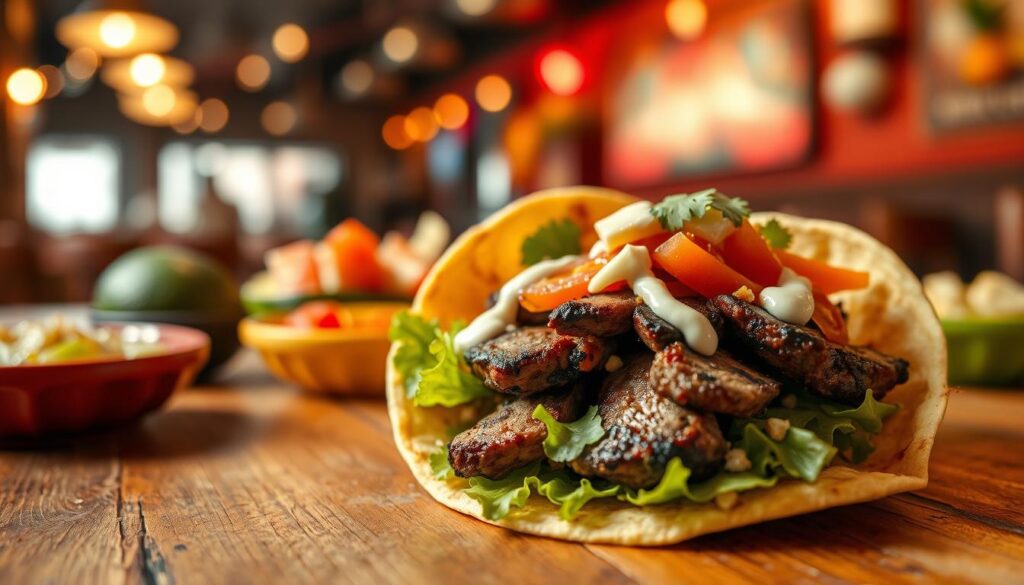
This was the order you picked when you wanted something a little more grown-up than the usual drive-thru fare. The grilled steak soft taco felt like a small step toward something fancier without losing the quick comfort of Taco Bell.
The key was simple: grilled steak texture against a soft tortilla. A creamy lime sauce tied the flavors together. Toppings were the familiar trio — lettuce, tomatoes, and shredded cheese — so it still felt like the chain you knew.
- Why you ordered it: you wanted Taco Bell, but a steak upgrade.
- What made it different: charred steak bites, creamy lime sauce, fresh toppings.
- Status note: the item was discontinued in 2020, so don’t expect it on every list.
- Closest today: pick steak when available, ask for a creamy or lime-style sauce, and keep the lettuce and tomatoes for balance.
- Quick tip: steak plus creamy sauce can feel rich. Add extra lettuce or tomatoes to brighten each bite.
Grilled Stuft Burrito era vibes (and the handheld legends it inspired)
Grilled, pressed handhelds changed how people carried big fast-food burritos on the go. These builds were warm, compact, and made to travel. They felt engineered for the drive-thru life.
Why “grilled” and “stuft” became a category
In Taco Bell language, “grilled” meant pressed edges and a hot exterior. The result was sturdier. Less flop, more hold.
Handheld legends and what they delivered
Fans remember the Grilled Stuft Nacho-style builds for their shape and filling. Picture a triangle handheld packed with beef, cheese sauce, red sauce, and crunchy tortilla strips. It was pressed tight so it stayed hot and tidy in one hand.
The item left regular offerings in 2014 and came back briefly in 2015. That short run explains why people still talk about it.
What to order instead when you want big, hot, and pressed
- Pick any current grilled or pressed burrito on the menu as a base.
- Ask for extra cheese and red sauce to mimic the saucy, melty center.
- Add crunchy tortilla strips if available for texture.
- One large grilled item can replace several smaller orders for value.
| Feature | Original Stuft | Modern swap |
|---|---|---|
| Shape | Triangle, pressed | Pressed burrito or grilled wrap |
| Fill | Beef, cheese sauce, red sauce, tortilla strips | Steak or beef + extra cheese + requested sauce |
| Availability | Discontinued 2014; brief return 2015 | Special runs or hacks on current menu |
Green sauce, red sauce, and the flavor cues behind classic Taco Bell menu items
Sauces often hold the memory more than the shell when you crave old fast-food favorites. A bright smear or a familiar tang can define a whole meal.
Green sauce burrito roots and why salsa verde stood out
The Decades Menu highlighted a green sauce burrito built on refried beans, onions, and cheddar. The green sauce used green chili, tomatillos, jalapeño, and spices.
That tomatillo-forward mix is tangy and slightly spicy. It tastes different from the usual red sauce comfort you expect. If fillings drown the green sauce, its brightness can vanish. That explains mixed opinions about the green burrito today.
Red sauce as the backbone of tostadas, burritos, and enchilada-style items
Red sauce is the familiar anchor on enchilada-style items and tostadas. Picture refried beans, tangy red sauce, lettuce, and shredded cheese. Simple, clear, and very recognizable.
Red sauce ties tostadas and many burritos together. It gives that classic, warming comfort people remember most from Taco Bell.
- If you crave bright and tangy, go green.
- If you want classic comfort and savory warmth, pick red.
- When recreating at the counter, order items that accept added sauces and ask for extra on the side.
| Flavor | Profile | Best use |
|---|---|---|
| Green sauce | Tomatillo, jalapeño, tangy heat | Green sauce burrito, green burrito, fresh builds |
| Red sauce | Savory, tomato-forward, mild spice | Tostadas, enchilada-style burritos, smothered items |
| Sauce choice | Bright vs. familiar | Pick based on tang or comfort craving |
Quick ordering tip: tell the crew you want extra sauce on the side. That way you control the balance and can recreate those classic flavor cues at home or on the road.
What’s back right now: Taco Bell’s Decades Menu and how long it lasts
This rollout drops four era-specific throwbacks at once. You can pick which decade to chase without guessing. Check the dates and plan a visit if nostalgia is the goal.
Which throwbacks returned by decade
Initial release (October 31): Tostada (’60s), Green Sauce Burrito (’70s), Meximelt (’80s), and Gordita Supreme (’90s).
Expansion (November 21): the ’00s addition arrived as the Caramel Apple Empanada.
Caramel apple empanada timing and rollout notes
The caramel apple empanada joined the lineup on November 21. That dessert often appears late in the campaign to stretch interest across decades.
Because availability varies, some locations sell out faster than others. Use the Taco Bell app to find current stocks and local pricing.
Why limited time usually means you shouldn’t wait
Taco Bell typically rotates limited time items roughly every six weeks. There is no firm end date from the brand. So waiting can mean missing a return.
Calm reminder: if you want the Gordita Supreme or the caramel apple, plan to go soon rather than later.
| Item | Decade | Typical price in your area | Notes |
|---|---|---|---|
| Tostada | 1960s | Check Taco Bell app | Regionally available first drop |
| Green Sauce Burrito | 1970s | Check Taco Bell app | Bright, tangy sauce; limited run |
| Meximelt | 1980s | Check Taco Bell app | Melty comfort; may rotate early |
| Gordita Supreme | 1990s | Check Taco Bell app | High demand; try sooner |
| Caramel Apple Empanada | 2000s | Check Taco Bell app | Seasonal dessert; sell-outs possible |
Final tip: use the taco bell app for real-time prices and local availability. Travelers should expect variation in both cost and stock across locations.
How to recreate the ’90s Taco Bell menu with current ordering hacks
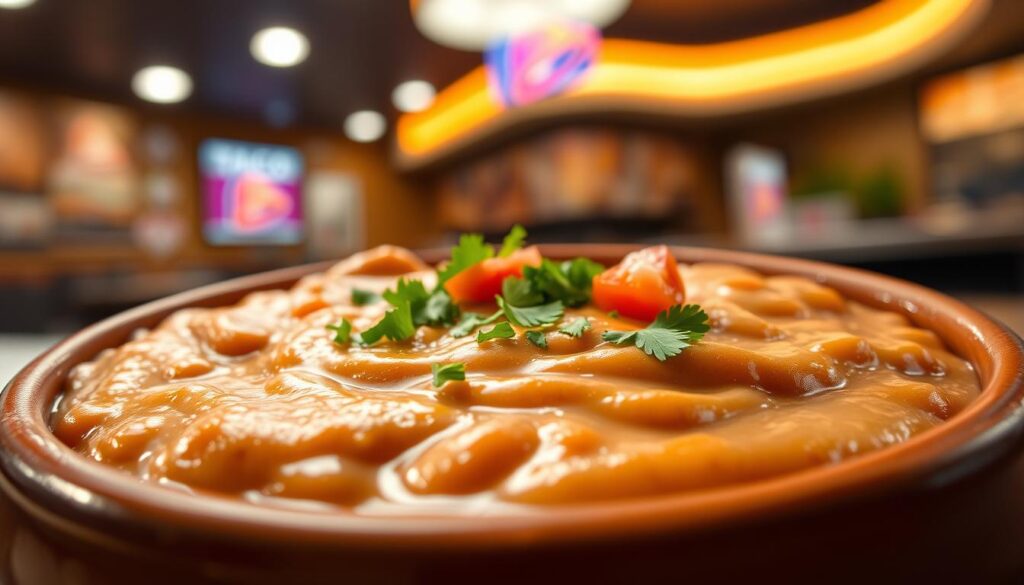
Recreating the era’s feel is less about exact SKUs and more about shell, sauce, and melt. Use structure and a few clear cues to build familiar bites you can order fast for a group.
Build a Double Decker feel
Ask for a crunchy shell tucked into a soft tortilla. Spread refried beans on the soft wrap first so the shell sticks. Keep fillings simple: seasoned ground beef, lettuce, and a light sauce.
Chase Meximelt-style comfort
Order seasoned ground beef with pico de gallo and a three-cheese blend. Ask the crew to melt the cheese into the filling or request extra warming. That warm cheese+ground mix creates the meximelt-style comfort you want.
Dial in textures and balance
Prioritize one crunchy element and one soft wrap. Add shredded cheddar near the end so it gives a cold contrast to warm filling. Don’t overload with extras; too many add-ons dilute the classic contrast.
| Hack | Why it works | Order line to use |
|---|---|---|
| Double Decker build | Refried beans bind shell + wrap; steady bite | “Soft tortilla with refried spread, crunchy shell inside, seasoned ground beef” |
| Meximelt swap | Ground beef + pico + three-cheese blend melts into a cohesive fill | “Seasoned ground beef, pico de gallo, three-cheese blend, extra heat to melt” |
| Texture balance | Cold lettuce or cheddar offsets warm filling for classic contrast | “Add shredded lettuce and light cheddar on top, please” |
Quick tips: use the app to check ingredient availability and set custom notes. Keep orders simple so family or travelers can explain them without slowing the line.
Keeping the nostalgia alive on your next run for the border
Plan one nostalgic pick and one reliable comfort item so you leave satisfied, even if a favorite isn’t on the board.
Pick a decades menu throwback when it appears. Add a steady modern option as backup. That keeps the trip fun and full.
Use a simple checklist: one crunchy choice (a tostada-style order), one warm/soft build, and one sauce-forward item for classic comfort.
Bring kids-friendly chicken options if needed. Ask for cream or sour-cream-style add-ons to tone down heat.
Accept that taco bell discontinued runs and regional changes happen. Eat messy items parked or inside. The goal is memory, not perfection.
You now know what mattered, why it worked, and how to recreate the style. Try a throwback soon, and enjoy the current menu with confidence.