taco bell gluten free menu
You came here to find the most workable order when avoiding gluten. This guide is aimed at people who want practical swaps and at those with celiac disease who need a clear risk warning.
Set expectations: some items are made without gluten-containing ingredients but are prepared in shared areas. Shared fryer oil and handling raise cross-contact risks. Taco Bell does not recommend products for guests with celiac disease.
Start safe with Power Menu Bowl builds and simple sides like black beans and rice. Crunchy taco basics and some plain proteins can be workable if you remove risky wrappers or sauces.
Watch for big gotchas: flour tortillas, shared kitchen handling, and fryer oil used for chips and potatoes. Use Taco Bell’s allergen and ingredient tools in the app before you order so you’re not guessing at the drive-thru.
This short intro promises clear decision support: what to order, what to remove, which sauces to approach carefully, and when it’s smarter to skip this spot entirely.
What “gluten-free” means at Taco Bell right now
Labels that say “made without gluten-containing ingredients” are about recipes, not how food is handled. You should read that claim as an ingredient statement. It does not promise separate prep or zero cross-contact.
Truly gluten-free usually means controlled prep, separate tools, and steps to minimize cross-contamination. Fast-food kitchens rarely offer that. The FDA target of under 20 ppm is hard to guarantee in shared kitchen lines and fryers.
- Items made without gluten-containing ingredients: ingredient-safe but not prep-safe.
- True gluten-free: dedicated prep, minimized exposure, verified processes.
- Practical risk: flour tortillas, shared bins, tongs, steam tables and fryer oil raise cross-contamination risk.
| Claim | What it covers | Practical risk |
|---|---|---|
| Made without ingredients | Recipes exclude wheat | High if handled near flour items |
| Truly gluten-free | Controlled prep and tools | Low when procedures are followed |
| Your decision lens | Ingredient safety + handling | Choose by your sensitivity and documented exposure risk |
Taco Bell allergen info and ingredient tools to check before you order
Start with the official allergen and ingredient guide so you know what is actually in each item. That simple step gives clear information on recipe contents and known wheat or gluten callouts.
How to use the ingredient guide
Open the brand’s online guide or app. Search by menu items and read ingredient lists line by line.
Look for plain terms and the tricky ones: modified food starch, natural flavors, and spice blends. These can hide gluten in some regions or suppliers.
Ingredients that can be tricky for sensitive diners
- Confirm items made without wheat are still handled safely.
- Ask staff about prep: glove changes, clean scoops, and separate areas.
- Use a two-step check: verify ingredients first, then confirm handling if you plan to order.
| Check | What to find | Risk |
|---|---|---|
| Ingredient list | Explicit wheat/gluten callouts | Low if absent and single-ingredient |
| Ambiguous terms | Modified food starch, natural flavors | Medium; confirm supplier |
| Handling | Shared fryers, shared prep tools | High in many fast food kitchens |
taco bell gluten free menu: the most reliable picks to start with
Choose orders that cut out wraps and extra sauces. Open bowls and simple sides give you the best odds in a shared kitchen. Below are quick starts that are easiest to keep plain, especially when you’re ordering on the go.
Power Menu Bowl options that can work with smart modifications
Power Menu bowls are the most controllable bowls because you can skip tortillas and sauces. Pick chicken or steak and ask for no sauces. Add black beans and rice for filling carbs and fiber.
Black Beans and Rice as a simple gluten-free-friendly side
Black beans and rice work well as a base or side. They are ingredient-simple and pair with proteins to make a satisfying plate. This is an easy swap if you want fewer handled parts.
Crunchy Taco and Crunchy Taco Supreme basics
Corn crunchy shells are a better pick than flour-wrapped items when available. Still, standard line handling can create cross-contact. Order plain shells with single proteins to limit risk.
Hash browns and why fryer practices matter by location
Hash browns often have ingredient lists that read safe. The real concern is shared fryer oil. Some locations use the same oil for chips and potatoes. If you have high sensitivity, skip fried items unless staff confirm separate frying.
| Item | Why it works | Risk |
|---|---|---|
| Power Menu Bowl (chicken/steak) | Customizable, bowl format | Low ingredient, medium handling |
| Black beans & rice | Simple base or side | Low |
| Hash browns | Ingredient-friendly | High if shared fryer oil used |
Power Menu Bowl buyer’s guide: best builds, swaps, and red flags
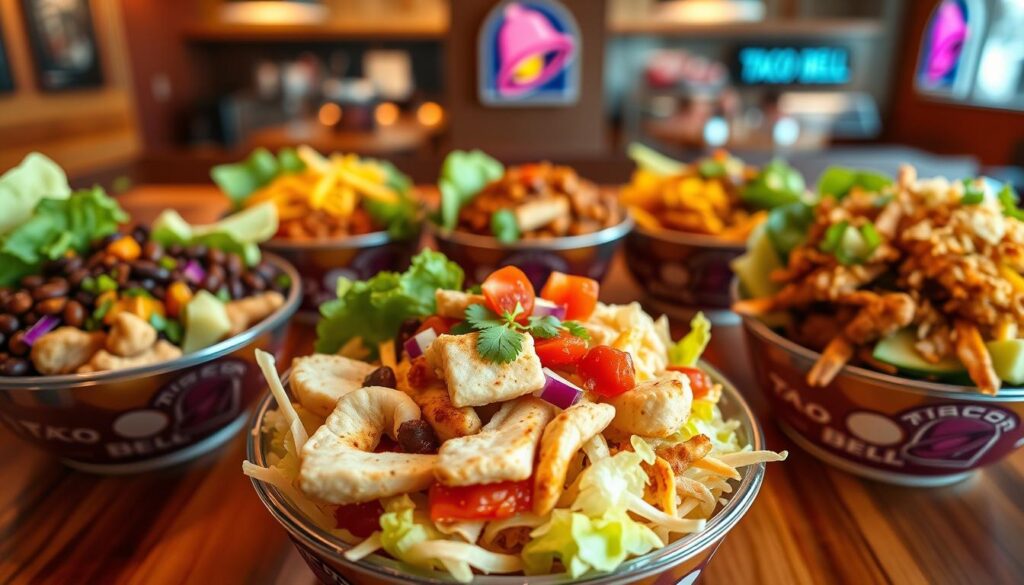
A well-built power menu bowl lets you control ingredients and lower handling risk.
Chicken bowl: keep it simple
Stick with the plain chicken, rice, black beans, lettuce, and cheese. Those are single-ingredient items that are easier to verify.
Remove dressings and packet sauces. Ask staff to skip guacamole if you worry about shared scoops. Request a glove change when possible.
Steak bowl: double-check sauces
Steak often has marinades or seasoning blends. Look up the full ingredients for steak and any associated sauces before ordering.
If a sauce is ambiguous, skip it. Plain steak with rice, beans, and veggies keeps the bowl predictable.
Veggie bowl: filling swaps
Build a hearty bowl using both black beans and rice. Add extra tomatoes and lettuce for volume.
Avoid crunchy or flour add-ons. Extra beans and a side of cheese make the dish satisfying without risky parts.
Avocado ranch sauce and safer swaps
Avocado ranch sauce is a common red flag for those avoiding gluten. It has been flagged by sources for containing gluten in some regions.
Swap to packet-style sauces or plain sour cream. These reduce handling complexity and lower cross-contact risk.
| Build | Keep | Remove |
|---|---|---|
| Chicken | Chicken, rice, beans, lettuce, cheese | Dressings, avocado ranch sauce |
| Steak | Steak, rice, beans, tomatoes | Marinated sauces, shared guac scoops |
| Veggie | Black beans, rice, lettuce, tomatoes | Crunchy shells, flour add-ons |
Ordering moment: bowls are made on the line. Glove changes and clean scoops help, but they do not eliminate all cross-contact risk. Decide by your sensitivity and local handling practices.
Crunchy tacos and Doritos Locos: what’s actually safer for gluten
If you want the least risky handheld at this chain, crunchy shells are usually the easiest place to start. Corn shells contain no wheat ingredients and have fewer parts to touch. That makes them a common first pick for people avoiding gluten.
Corn shells and common cross-contact points
Corn shells sit near flour tortillas on busy lines. Shell storage, shared tongs, and prep rails are the main cross-contact spots. Fryers and nearby assembly also raise the risk cross-contamination in a shared kitchen.
How to decide on the Doritos Locos question
You will see conflicting guidance about the nacho cheese doritos locos taco online. Some ingredient lists show it made without gluten ingredients. Other sources, including celiac-focused sites, advise caution.
If you have celiac disease, treat the locos taco as higher risk. If you are mildly sensitive, check current ingredients and accept shared-kitchen risk before ordering.
Protein swaps and the oats note
Safer protein choices often include seasoned beef, fire-grilled chicken, or steak. Confirm current supplier info when you can.
Note: seasoned beef may list oats. Oats are not wheat, but some people with celiac avoid them because of cross-contact or sensitivity. Choose chicken or steak instead if you prefer to skip oats.
| Item | Why consider it | Risk |
|---|---|---|
| Crunchy shells | Simple ingredients, easy to customize | Low–medium |
| Doritos Locos | Flavorful but debated | Medium–high |
| Proteins (chicken/steak) | Fewer ambiguous ingredients | Low |
Sauces, cheese, and toppings: gluten-free-friendly add-ons vs. avoid
Small choices on sauces and toppings can change your exposure risk more than the main item.
Start with simple, sealed packets when possible. Mild sauce packet and hot sauce packet options cut down on line handling. Packets limit shared utensils and make ingredient checks easy.
Avoid creamy dressings unless you can confirm prep steps. Creamy sauces like avocado ranch have longer ingredient lists. They often require scoops and shared tools that raise cross-contact in a shared kitchen.
Nacho cheese is sometimes listed as made without gluten-containing ingredients. That is an ingredient claim, not a prep promise. If you have high sensitivity, treat nacho cheese as higher risk because of portioning and line exposure.
Best topping stack for flavor without flour-based items:
- Lettuce
- Diced tomatoes
- Onions
- Pickled jalapeños
- Shredded cheese and a sealed sauce packet
| Add-on | Why it works | Typical risk |
|---|---|---|
| Mild/hot packets | Sealed; easy to verify ingredients | Low |
| Shredded cheese | Single-ingredient; pre-portioned | Low–medium |
| Creamy sauces | Complex ingredients; shared scoops | Medium–high |
| Nacho cheese sauce | Often listed as made without gluten ingredients | Medium; prep exposure possible |
Items to avoid when ordering gluten-free at Taco Bell
A short skip list saves you time and money when you want a safer fast food meal. Some popular items use flour or wheat or are made with multi-step prep that raises cross-contact risk.
Flour tortillas: where they hide
Flour is the obvious no-go. Burritos, quesadillas, and soft tacos all rely on flour tortillas. Even a plain-sounding wrap will include wheat in the shell.
Crispy layered favorites that increase handling steps
Crunchwraps, Mexican Pizza and rolled tacos combine several components. Those layered builds touch many tools and stations. That multiplies the chance of cross-contact.
Why Nacho Fries are often flagged
Seasoning blends can include wheat-containing ingredients. Fries also share fryer oil and scoops with other fried items. For many guests, that makes Nacho Fries a higher risk choice.
Sweets made with wheat
Desserts such as Cinnamon Twists and Cinnabon Delights are made with wheat. Avoid these foods if you need to steer clear of gluten to prevent menu regret.
- Skip flour-based burritos, quesadillas, and soft wraps.
- Avoid layered or folded crisp items that touch multiple stations.
- Say no to fried sides with seasoned coatings unless staff confirm separate prep.
- Pass on wheat-based desserts to be safe.
| Item | Why avoid | Hidden flour/wheat spots | Typical US price |
|---|---|---|---|
| Flour burrito / quesadilla | Direct wheat in the shell | Tortilla, wraps | $2.99–$5.49 |
| Crunchwrap / Mexican Pizza | Multiple layers and shared tools | Shells, folded tortillas, sauce stations | $3.49–$6.99 |
| Nacho Fries | Seasoning blends + fryer cross-contact | Coating, shared oil | $1.79–$3.99 |
| Cinnamon Twists / Cinnabon Delights | Made with wheat | Dessert dough and coatings | $1.49–$3.29 |
Chips, nachos, and fryers: the cross-contamination risk buyers overlook
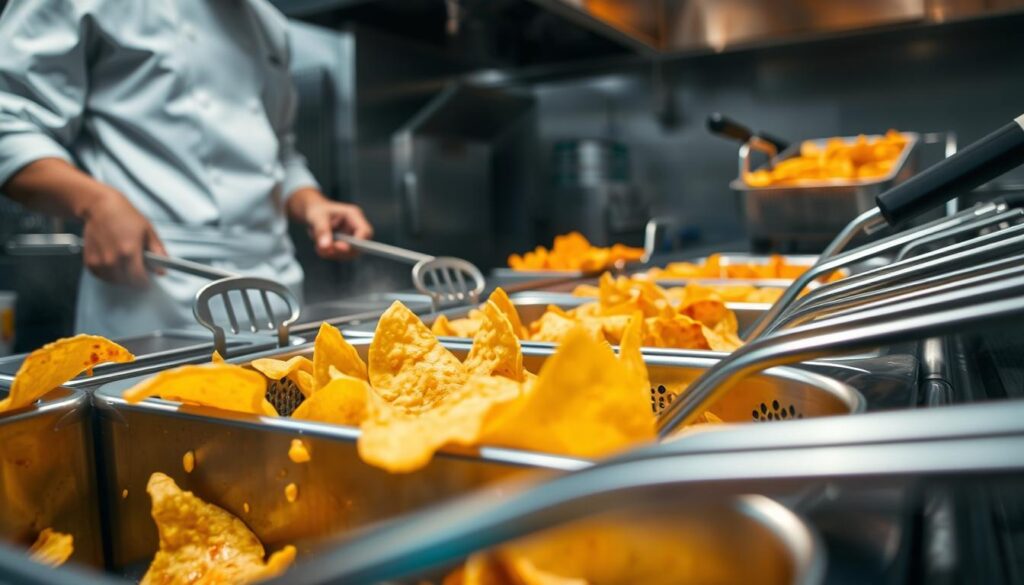
Shared cooking lines can quietly turn simple corn or potato items into sources of gluten exposure.
Why shared fryer oil changes the risk for chips and potatoes
Even if a chip or hash brown lists safe ingredients, oil can carry crumbs from breaded foods. Fryer oil can transfer small particles and proteins between batches.
Nacho chips and preparation realities at most locations
Nacho chips are corn-based, but bins, scoops, and the service line add points of cross-contamination. Nacho cheese is portioned at the line and may touch nearby equipment.
- Shared fryers spread residue between batches.
- Bins and tongs can move crumbs onto otherwise safe items.
- Some stores separate fryers; most do not.
| Item | Why it’s risky | Typical US price |
|---|---|---|
| Nacho chips | Handled near fry/assembly; possible oil residue | $1.29–$2.49 |
| Hash browns | Often cooked in shared fryer with breaded foods | $1.19–$1.99 |
| Fried sides | Shared oil and tools increase cross-contamination | $1.49–$3.99 |
Buyer call: if you are very sensitive, avoid fried items. If you have mild sensitivity, ask about fryer setup, then decide. Remember: questions help, but they do not turn shared oil into dedicated equipment.
Gluten-free breakfast at Taco Bell: realistic options and safer expectations
Morning service often raises cross-contact chances, so breakfast needs a cautious eye.
Hash browns often list ingredients that lack gluten. That looks promising on paper. In many locations, the fryer shares oil with breaded or flour items. That creates real exposure for people with celiac disease.
Hash browns: ingredients vs. fryer exposure
Ingredient lists may show safe components. Still, crumbs and oil carry particles. Ask staff whether the fryer is shared. If it is, treat the hash brown as higher risk.
Why breakfast menus are harder for wheat avoidance
Breakfast lines include many flour-based items and quick assembly. Faster service means more shared tools, fewer glove changes, and higher chance of cross-contact.
- Practical call: stick to drinks or the simplest item if needed.
- Check the store’s fryer setup before ordering fried items.
- Decide using ingredients + handling + your personal tolerance.
| Item | Why consider | Primary concern |
|---|---|---|
| Hash browns | Simple ingredients | Shared fryer exposure |
| Beverages | Lowest handling risk | Minimal line contact |
| Wrapped breakfast items | Convenient | Wheat in wrappers and shared prep |
Beverages and the most celiac-friendly choices on the menu
Beverages are often the safest choice when you want minimal cross-contact at a fast-food counter.
Fountain drinks, frozen beverages (freezes), and brewed coffee normally avoid the hot line. They do not sit near tortillas, fryers, or shared scoops. That reduces contact with crumbs and oil.
Fountain drinks, freezes, and coffee options
Fountain sodas and iced tea are sealed at the dispenser and have low handling. Freezes are mixed in machines with fewer shared utensils. Hot coffee and brewed drinks usually use dedicated equipment and prepackaged creamers or sugar.
Practical note: machines and mix-ins vary by store. If you are highly sensitive, ask staff about cleaning routines and whether syrup heads are wiped between uses.
- Make it simple: if you have celiac disease, beverages are your lowest-risk option.
- For strict needs: stick to drinks only.
- For mild sensitivity: pair a drink with a carefully modified bowl or a plain protein item.
| Category | Why it’s safer | Typical risk |
|---|---|---|
| Fountain drinks | Dispensed, minimal line contact | Low |
| Freezes / frozen drinks | Machine-mixed; fewer shared utensils | Low–medium |
| Coffee & hot drinks | Dedicated brewers; sealed add-ins available | Low |
Price expectations in the United States: budgeting a gluten-free Taco Bell order
Knowing typical price ranges helps you pick filling foods without surprises at the register.
Power Menu bowls usually cost more than basic tacos and sides. A bowl can replace multiple items and feel more filling. Tacos and single sides are cheaper per piece but may leave you hungry.
How add-ons and upgrades change the total
Extras like extra protein, guacamole, or cheese add up fast. One or two add-ons can push a cheap order into bowl territory. Check the app for local pricing before you finalize your order.
Best-value combos for sensitive diners
- Modified Power Menu bowl as a main — fewer handled parts and one clear plate.
- Two crunchy tacos plus Black Beans and Rice for a balanced, lower-cost option.
- Order sealed sauce packets and skip ambiguous dressings to save money and risk.
| Item | Why it works | Typical US range | Notes |
|---|---|---|---|
| Power Menu Bowl (chicken/steak/veggie) | Filling, single plate | $6 – $9 | Best for one full meal |
| Crunchy Taco / Supreme | Lower per-piece cost | $2 – $4 each | Pair with a side to fill up |
| Black Beans & Rice | Simple, low risk | $2 – $3.50 | Good add-on or side |
| Add-ons (protein/guac/cheese) | Quickly raise totals | $0.50 – $2 each | Check app prices live |
Tip: the best value is what you will eat comfortably. Use the Taco Bell app for live pricing and to avoid surprises at checkout.
Placing a safer order: what to say at the counter, drive-thru, and in the app
A short, repeatable order script protects you and respects staff time during busy shifts. Use clear language, pick items made without gluten, and ask for simple swaps in the app or at the speaker.
Customization script to reduce gluten-containing ingredients
Say this briefly: “Please make a bowl with chicken, rice, black beans. No sauces, no flour tortillas. Clean scoop and new gloves, please.”
In the app, remove wraps, skip creamy sauces, and choose crunchy shells or bowls. Confirm ingredient details in the tool before you tap order.
Requests that may help reduce cross-contamination risk
- “Could you change gloves before assembling?”
- “Please use a clean scoop for beans/guac.”
- Avoid fried sides if the fryer is shared.
When it’s smarter to skip the order entirely
Skip ordering when staff cannot confirm handling, the store is slammed, or you have celiac disease and need strict avoidance. Taco Bell does not recommend its items for celiac customers; weigh the risk and your needs.
| Action | Why | Realistic outcome |
|---|---|---|
| Ask for glove change | Reduces surface transfer | Often granted |
| Request clean scoop | Limits cross-contact at service bins | Usually possible |
| Avoid fryer items | Shared oil carries crumbs | Best for high-sensitivity diners |
Making the call: is Taco Bell worth the risk for your gluten needs?
Think of this as a final check to help you decide if Taco Bell fits your needs. The chain lists many items made without gluten ingredients, but shared prep and fryers raise real cross-contact risks. It is not a reliable choice for people with celiac disease.
Risk ladder: beverages are lowest risk, modified bowls are next, crunchy handhelds carry higher handling risk, and fried or layered items are the highest risk. Treat “bell gluten-free” claims as ingredient notes, not certification.
For road trips or tight budgets, pick simple orders, skip flour and fryer foods, and re-check the allergen guide before you buy. If you order, keep it plain and accept that shared kitchen risk remains part of the deal.